
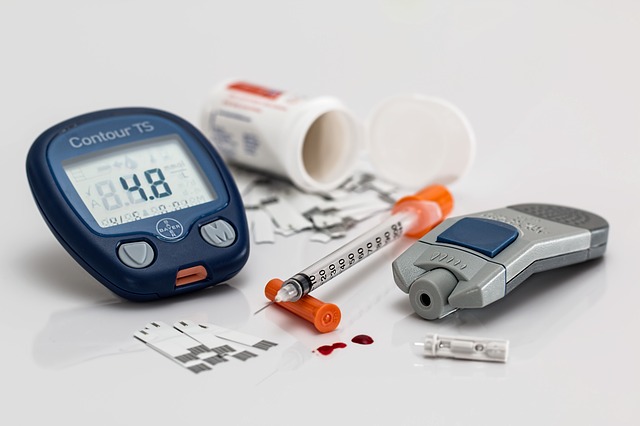
Keeping blood glucose levels within a target range is crucial for managing diabetes and preventing long-term complications. The ideal blood glucose range can vary from person to person, depending on factors such as age, overall health, and the presence of other medical conditions. It is important to work with a healthcare provider to establish personalized blood glucose targets. [1]
General Blood Glucose Targets
For most non-pregnant adults with diabetes, the American Diabetes Association (ADA) recommends the following blood glucose targets: [2]
- Before meals (preprandial): 80 to 130 mg/dL
- 1 to 2 hours after the beginning of a meal (postprandial): Less than 180 mg/dL
HbA1c Targets
The HbA1c test provides an average of your blood glucose levels over the past 2 to 3 months. For most adults with diabetes, the ADA recommends an HbA1c target of less than 7%. However, a less stringent target of less than 8% may be appropriate for some individuals, such as those with a history of severe hypoglycemia, limited life expectancy, or advanced diabetes complications. [3]
Managing Blood Glucose Levels
Achieving and maintaining blood glucose targets requires a combination of strategies, including:
- Healthy Eating: Following a balanced meal plan that is rich in nutrients and low in processed foods, sugary drinks, and unhealthy fats.
- Regular Physical Activity: Engaging in regular exercise helps lower blood glucose levels and improves insulin sensitivity.
- Medication: Taking oral medications or insulin as prescribed by a healthcare provider.
- Regular Monitoring: Checking blood glucose levels regularly to track progress and make necessary adjustments to the treatment plan.
 Urdu
Urdu  English