
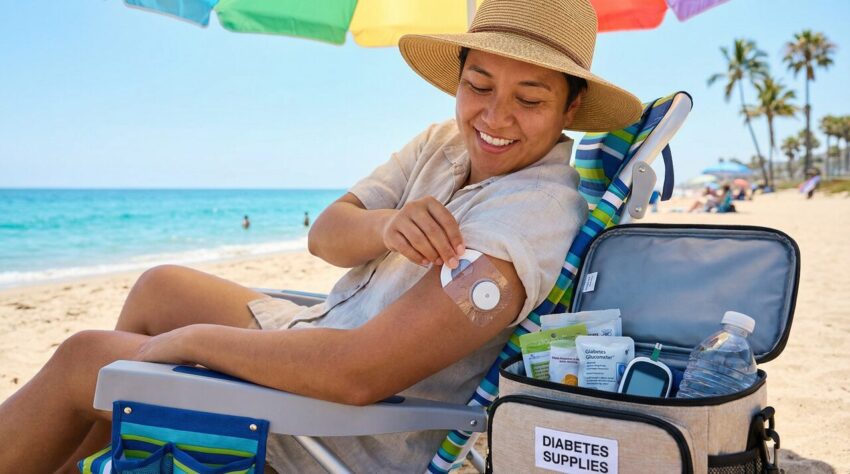
Beach Day with Diabetes: Sun and Safety
Introduction
The allure of a beach day—the warm sun, the gentle rhythm of the waves, the refreshing ocean breeze—is, for many, irresistible. However, for individuals managing diabetes, a day under the sun can present some unique challenges. The heat, increased physical activity, and even subtle changes in routine can all significantly impact blood glucose levels and the effectiveness of diabetes medications. Nevertheless, with careful planning and proactive management, a beach day can truly be a source of immense joy and relaxation, rather than an occasion for stress. This article aims to guide you through essential strategies, ensuring your beach outing is both safe and enjoyable, allowing you to soak up the sun without compromising your health.
Preparing for Your Beach Day
Thorough preparation, it turns out, is the cornerstone of a successful and safe beach day when you live with diabetes. It’s not simply about packing your swimsuit; rather, it’s about packing smart for your health.
Essential Supplies Checklist
Before you even think about heading out, we recommend creating a comprehensive checklist of all your diabetes supplies. This should, of course, include:
- Blood Glucose Monitoring Equipment: Don’t forget your meter, test strips, lancets, and, importantly, extra batteries. If you use a continuous glucose monitor (CGM), ensure it’s securely attached and waterproof if necessary.
- Insulin and Medications: Pack all prescribed insulin, oral medications, and any other diabetes-related prescriptions. A good rule of thumb is to have enough for the entire day, plus a little extra as a contingency—just in case.
- Insulin Delivery Devices: This includes syringes, insulin pens, or pump supplies. Should you be using an insulin pump, always bring backup supplies in case of malfunction or dislodgement.
- Hypoglycaemia Treatments: Fast-acting carbohydrates are absolutely crucial here; think glucose tablets, glucose gel, juice boxes, or hard candies. These are vital for quickly addressing any low blood glucose episodes.
- Snacks and Water: Pack a variety of diabetes-friendly snacks to prevent hunger and help manage blood glucose fluctuations. Crucially, bring plenty of water to stay hydrated throughout the day.
- Medical ID: It’s always wise to wear a medical alert bracelet or necklace indicating you have diabetes. This simple measure can be life-saving in an emergency.
- Sunscreen and Protective Gear: High SPF sunscreen, a wide-brimmed hat, sunglasses, and protective footwear (water shoes or sandals) are all non-negotiables.
Keeping Medications Cool
Heat, as we know, can degrade insulin and other medications, rendering them ineffective. This is a particularly critical consideration in a hot beach environment. To combat this, use an insulated cooler with ice packs to store insulin, pens, and other heat-sensitive medications. A vital point to remember: never let insulin freeze, as this also damages its efficacy. Keep the cooler out of direct sunlight and try to avoid opening it unnecessarily to maintain a consistent cool temperature. While oral medications generally tolerate warmer temperatures better, it’s still good practice to keep them out of direct sun.
Monitoring Blood Glucose in the Heat
Temperature fluctuations and increased activity levels can, perhaps surprisingly, significantly impact your blood glucose. Consequently, frequent monitoring becomes absolutely key to staying safe.
The Impact of Heat on Blood Glucose
High temperatures can affect blood glucose in several ways. For instance, heat can cause blood vessels to dilate, which might lead to faster insulin absorption and, therefore, a higher risk of hypoglycaemia. Conversely, dehydration, often a consequence of heat exposure, can actually elevate blood glucose levels. Interestingly, even sunburn is a stress on the body, which may trigger a rise in blood glucose. Therefore, you may find yourself needing to check your blood glucose more frequently than usual—perhaps every 2–4 hours, or even more often if you’re particularly active or simply not feeling well.
Staying Hydrated
Dehydration is a serious concern, especially for individuals with diabetes, as it can exacerbate high blood glucose levels and lead to heat-related illnesses. Drink plenty of water throughout the day, even if you don’t actively feel thirsty. It’s best to avoid sugary beverages, which can spike blood glucose, and limit alcohol consumption, as it can interfere with blood glucose regulation and hydration.
Sun Protection and Skin Care
Beyond the immediate concerns of managing blood glucose, protecting your skin, particularly your feet, is crucial for individuals with diabetes.
Sunburn and Diabetes
As we’ve already touched upon, sunburn is not just uncomfortable; it’s a stress that may trigger a rise in blood glucose levels. Moreover, damaged skin is inherently more susceptible to infection, which is a particular concern for those with diabetes due to potential impaired healing. So, reapply sunscreen generously every two hours, or even more frequently if you’re swimming or sweating.
Protecting Your Feet
Your feet, in particular, require special attention at the beach. Hot sand can cause severe burns remarkably quickly, and unseen sharp objects can lead to cuts or punctures. Always, and we mean always, wear protective footwear. After swimming, dry your feet thoroughly, paying particular attention to the areas between the toes, to prevent fungal infections. Finally, inspect your feet daily for any cuts, blisters, or redness, and address them promptly.
Food and Activity Considerations
Enjoying the beach often involves a delightful mix of relaxation and activity, both of which, of course, impact diabetes management.
Smart Snacking
Plan your meals and snacks carefully. If you’re bringing food, ensure it’s kept at a safe temperature to prevent spoilage. Opt for balanced snacks that combine carbohydrates with protein and healthy fats; this can really help stabilise blood glucose. And, naturally, be mindful of portion sizes, especially if you’re indulging in holiday treats.
Staying Active Safely
Whether it’s a leisurely stroll along the shore or a refreshing swim, physical activity is undoubtedly beneficial but requires careful monitoring. Check your blood glucose before, during, and after any significant activity. You might find you need to consume extra carbohydrates or even reduce insulin doses to prevent hypoglycaemia. Always wear your medical ID, even when swimming, so that others are aware of your condition in an emergency.
Key Takeaways
- Preparation is paramount: This means packing all necessary diabetes supplies, including appropriate insulin storage, monitoring equipment, and emergency snacks.
- Monitor frequently: Given that heat and activity can significantly impact blood glucose, check levels more often than you usually would.
- Stay hydrated: Drink plenty of water and consider sugar-free electrolyte drinks to prevent dehydration.
- Protect your skin and feet: Use sunscreen diligently and wear protective footwear to prevent burns, cuts, and infections.
- Adjust for activity: Be prepared to modify your insulin or food intake based on your activity levels, and always consult your healthcare provider for personalised advice.
نتیجہ اخذ کرنا
A beach day, with its inherent promise of relaxation and rejuvenation, is entirely achievable and, indeed, enjoyable for individuals with diabetes. By embracing thoughtful planning, diligent monitoring, and proactive self-care, you can confidently navigate the unique challenges presented by the sun and sand. Remember, your diabetes management plan is a partnership with your healthcare team. It is always wise to consult your doctor or diabetes educator for personalised advice tailored to your specific needs before making any significant changes to your routine. With the right strategies in place, your next beach adventure can truly be a source of joy and well-being. Enjoy the waves!
 Urdu
Urdu  English