
Best Foods to Combat Insulin Resistance: Your Guide to a Healthier Metabolism
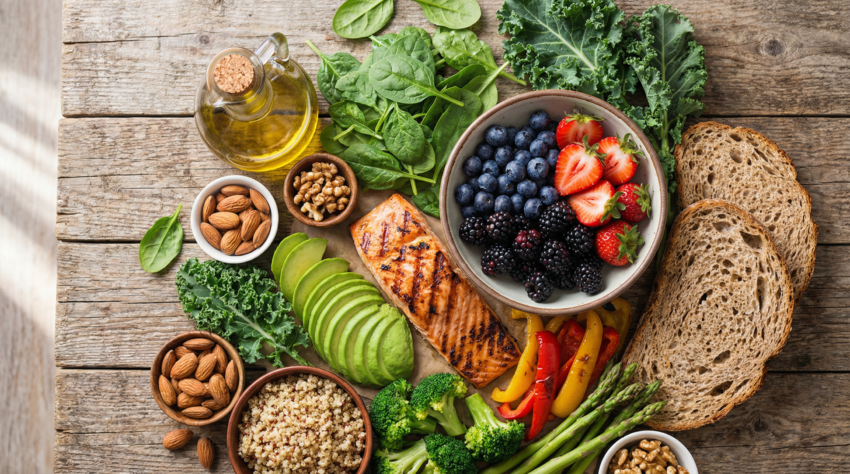
Do you experience ongoing fatigue together with mental cloudiness and persistent food cravings? These symptoms indicate that your body has developed insulin resistance which functions as a widespread metabolic problem that people tend to overlook. Your food choices determine how well you can control this condition. Your food choices serve as a method to encourage your body cells to perform better with insulin which leads to enhanced energy levels and weight control and reduced risk of type 2 diabetes. The Goal: A Gentle Approach to Blood Sugar People who have insulin resistance do not need to follow strict diets or eliminate entire food categories from their eating plan. The goal requires selecting foods which provide steady energy release to prevent abrupt blood sugar spikes that create pancreatic stress. The method depends on whole nutrient-rich foods because your body processes them most effectively. The following section explains how this concept affects your shopping and cooking activities. Foods to Welcome on Your Plate Several food categories stand out as particularly helpful in boosting insulin sensitivity: 1. Fiber-Rich Vegetables Fiber acts like a regulator for blood sugar by slowing digestion. The body processes carbohydrates at a slower rate which leads to a steady release of sugars into the bloodstream. Your meals need to contain non-starchy vegetables at a 50 percent ratio for every serving. Examples: Broccoli, spinach, kale, asparagus, cauliflower, peppers, carrots. 2. Lean Proteins Protein supports metabolism and promotes satiety. It can also slow carbohydrate absorption, helping stabilize blood sugar. Examples: Chicken breast, turkey, fatty fish (like salmon), eggs, tofu, tempeh. 3. Healthy Fats Not all fats are harmful. Healthy fats—especially omega-3 fatty acids—may reduce inflammation, which contributes to insulin resistance. Examples: Avocados, olive oil, nuts, seeds, fatty fish such as salmon and herring. 4. Whole Grains Whole grains contain fiber and essential nutrients, unlike refined grains. The food items digest at a slow pace to provide ongoing energy throughout the day. Examples: Steel-cut or rolled oats, quinoa, brown rice, whole-wheat bread. 5. Low-Glycemic Fruits Fruit is still part of a balanced diet, but it’s wise to choose options that are high in fiber and low on the glycemic index (a measure of how fast blood sugar rises).Examples: Berries (blueberries, strawberries, blackberries), apples, pears, grapefruit. Foods to Limit or Avoid Equally important is recognizing which foods tend to disrupt blood sugar balance by causing rapid spikes: Sugary Drinks: Sodas, sweetened teas, and fruit juices are packed with sugar yet low in nutrients. Processed and Refined Carbohydrates: White bread, white rice, pasta, and many packaged snacks convert quickly to sugar in the body. Saturated and Trans Fats: These fats exist in fried foods and fatty meats and processed snacks which could make your insulin resistance worse. Sweet Treats: Cakes, cookies, and candy are high in sugar and best enjoyed sparingly. A Day of Eating for Insulin Sensitivity The principles of practicing these principles?Here’s a sample day of meals: Breakfast: Oatmeal topped with berries and a sprinkle of nuts. Lunch: Large salad with grilled chicken, plenty of non-starchy vegetables, dressed lightly with vinaigrette. Dinner: Baked salmon paired with roasted asparagus and a small portion of quinoa. Snack: An apple served with a tablespoon of almond butter. Beyond the Plate: A Holistic Approach Diet is a major factor, but it’s not the whole story. Regular physical activity, adequate sleep, and stress management are essential for improving insulin sensitivity. The practice of these habits together with healthy eating leads to improved metabolic health and total wellness. References [1] Cleveland Clinic. (2025). Insulin Resistance Diet: Foods to Focus On . Retrieved from https://health.clevelandclinic.org/insulin-resistance-diet
 Urdu
Urdu  English