
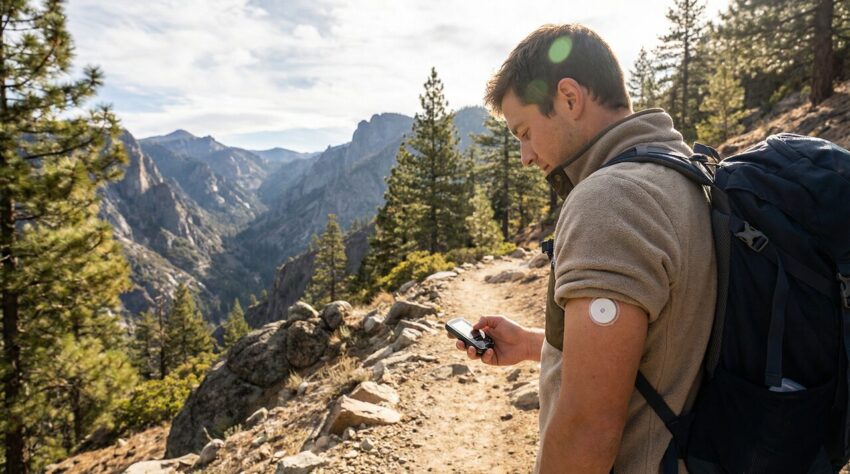
Conquering the Trails: A Comprehensive Guide to Hiking with Diabetes
Introduction
Hiking offers a unique blend of physical activity, mental rejuvenation, and immersion in nature. For individuals managing diabetes, however, embarking on a trail adventure requires meticulous planning and preparation. This article provides an evidence-based guide to ensure a safe and enjoyable hiking experience, focusing on essential considerations for trail preparation, blood glucose management, and emergency readiness.
Understanding the Impact of Hiking on Blood Glucose
Physical activity, such as hiking, can significantly influence blood glucose levels. The intensity and duration of the hike, along with individual factors like insulin sensitivity and medication, all play a role. It is crucial to understand these dynamics to prevent both hypoglycemia (low blood sugar) and hyperglycemia (high blood sugar) during your outdoor excursion.
Exercise and Insulin Adjustment
For those on insulin, adjustments may be necessary. Vigorous activity can increase insulin sensitivity, potentially leading to lower blood glucose. It is often recommended to reduce bolus insulin (pre-meal insulin) by 25-50% before a strenuous hike. Continuous glucose monitoring (CGM) or frequent blood glucose checks are invaluable for real-time insights and informed decision-making.
Fueling Your Hike: Nutrition Strategies
Proper nutrition is paramount. Before a long hike, consider consuming diabetes-friendly carbohydrates, such as whole-grain pasta or sweet potatoes, to build glycogen stores. During the hike, a steady intake of carbohydrates is essential to maintain stable glucose levels. Pack a variety of snacks, including both slow-acting carbohydrates (e.g., trail mix, whole-wheat crackers) and fast-acting glucose sources (e.g., glucose tablets, gels, fruit juice) for treating potential lows.
“Wilderness athletes should carry documentation of their medical history, basic diabetes management plan, and basic emergency action plan.”
— Wilderness Medical Society Clinical Practice Guidelines for Diabetes Management [1]
Essential Trail Preparation
Thorough preparation extends beyond blood glucose management. It encompasses gear, medication, and emergency planning.
Gear and Footwear
Appropriate footwear is critical for preventing foot complications, a common concern for individuals with diabetes. Choose well-fitting, supportive hiking boots or shoes. Inspect your feet regularly for blisters or injuries. Additionally, pack layers of clothing to adapt to changing weather conditions, a hat, sunglasses, and sunscreen.
Medication and Supplies
Always carry more medication and diabetes supplies than you anticipate needing. This includes insulin (if applicable), syringes or pens, blood glucose meter, test strips, lancets, and extra batteries. Keep insulin cool but not frozen, especially in warmer climates. Consider a Frio wallet or insulated pouch.
Emergency Preparedness
Develop a comprehensive emergency plan. Inform your hiking companions about your diabetes and how to assist you in case of a hypoglycemic event. Carry a medical identification card or bracelet. Know the signs and symptoms of both hypoglycemia and hyperglycemia, and carry appropriate treatments. Consider carrying a small, waterproof first-aid kit.
Communication and Navigation
Ensure you have reliable communication devices, such as a fully charged mobile phone or a satellite messenger, especially if hiking in remote areas with limited cell service. Share your hiking itinerary with a trusted person. Carry a map and compass, or a GPS device, and know how to use them.
Key Takeaways
- Plan Ahead: Meticulous planning is crucial for a safe and enjoyable hike with diabetes. This includes understanding the trail, weather, and your body’s response to exercise.
- Monitor Blood Glucose: Frequent blood glucose monitoring or CGM use is essential for real-time adjustments to insulin and food intake.
- Pack Smart: Carry ample diabetes supplies, medications, and a variety of snacks, including fast-acting glucose for lows.
- Inform Others: Educate hiking companions about your diabetes and emergency protocols.
- Foot Care: Prioritize foot health by wearing appropriate footwear and checking feet regularly for any issues.
نتیجہ اخذ کرنا
Hiking with diabetes is not only possible but can be a profoundly rewarding experience, offering significant physical and mental health benefits. By understanding the unique challenges and meticulously preparing for them, individuals with diabetes can confidently embrace the trails. Remember, open communication with your healthcare provider is paramount to tailoring these guidelines to your specific needs. Lace up your boots, plan your adventure, and enjoy the journey!
 Urdu
Urdu  English