
Diabetic retinopathy, or DR, is a major concern for individuals with type 1 and type 2 diabetes, as it can severely affect vision. As a leading cause of new cases of legal blindness among working-age adults in America and a primary cause of blindness across the world, understanding and managing this condition is crucial. The risk of developing DR increases with the length of time one has diabetes and how well blood sugar levels are controlled. Timely intervention and proactive management are essential to protect eyesight and avoid permanent damage.
Understanding Diabetic Retinopathy
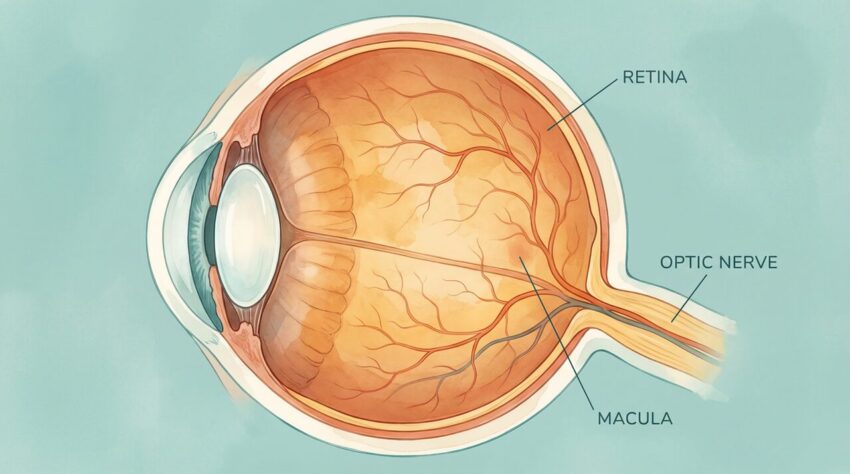
Diabetic retinopathy is an eye condition that progresses as high blood sugar levels harm the tiny blood vessels in the retina, the light-sensitive part of the eye. This damage can cause fluid to leak, abnormal blood vessel growth, and eventually, impairment of vision or blindness. The disease advances through several stages, starting with mild non-proliferative diabetic retinopathy (NPDR) and moving to the more severe proliferative diabetic retinopathy (PDR).
Prevalence and Risk Factors
On a global scale, diabetic retinopathy affects millions, and in the United States, around 28.5% of people over 40 with diabetes experience DR. Among these, about 4.4% have vision-threatening DR (VTDR). These numbers are expected to rise, highlighting a significant public health challenge ahead.
The duration of diabetes is a key factor in the development of DR. For type 1 diabetes patients, 25% can develop retinopathy after 5 years, and this figure jumps to 80% after 15 years. People with type 2 diabetes also face significant risks, with retinopathy affecting up to 40% of those with a disease duration under 5 years, and up to 84% for longer durations. Other modifiable risk factors include poor blood sugar control (high HbA1c levels) and uncontrolled blood pressure. It’s important to monitor blood sugar levels carefully, especially when using certain new medications, as they can sometimes bring on DR more quickly.
ℹ️ Key Risk Factors for DR Progression
The primary risk factors for diabetic retinopathy include the duration of diabetes, poorly controlled blood glucose levels (high HbA1c), and uncontrolled high blood pressure. Managing these factors is crucial for preventing the onset and progression of the disease.
Screening and Diagnosis
Detecting DR early is critical for taking timely action to prevent serious vision loss. Surprisingly, only about 60% of people with diabetes get the yearly screenings recommended. The widely accepted method for screening is a dilated fundus examination by an ophthalmologist. With advances in technology, digital imaging methods are becoming more common, especially in primary care settings, to enhance screening and ensure early referrals.
Recommended Screening Schedule:
- Type 1 Diabetes: Annual screenings should begin 5 years after diagnosis.
- Type 2 Diabetes: Initial screening is advised right when diabetes is diagnosed, followed by yearly check-ups.
- Pregnancy: Diabetic women who become pregnant should have an early eye examination and follow-up throughout pregnancy due to rapid disease progression risks. However, gestational diabetes doesn’t typically require an eye exam.
- Puberty: As diabetes can progress faster during puberty, close monitoring is necessary.
Ancillary Diagnostic Tests
In addition to the dilated fundus examination, several tests provide a thorough evaluation and aid in managing DR:
- Color and Red-Free Fundus Photography: Helps document the severity of DR, signs of new blood vessel growth, and treatment responses.
- Optical Coherence Tomography (OCT): Offers detailed images of the retina, useful for assessing and monitoring diabetic macular edema (DME) and related conditions.
- Fluorescein Angiography (FA): Though not for routine screening, FA distinguishes DME from other macular issues and identifies new blood vessel growth not visible otherwise.
- Optical Coherence Tomography Angiography (OCTA): A non-invasive tool that provides detailed images of retinal vessels, with developing guidelines for its use in DR management.
Management and Treatment Strategies
Managing DR involves tailoring treatments based on the severity of the condition and the presence of DME. The focus is on stabilizing blood sugar and blood pressure, and using treatments designed to preserve or restore vision.
Key Management Principles:
- Glycemic Control: Aim for a glycosylated hemoglobin level (HbA1c) of 7% or less. Maintaining tight blood sugar control can greatly reduce DR risks.
- Blood Pressure Control: Keeping blood pressure in check is crucial for reducing DR progression.
- Lipid Management: Lowering blood pressure, cholesterol, and low-density lipoprotein levels is linked with decreased DR risk.
Treatment Modalities:
- Anti-VEGF Agents: These are injected into the eye and are effective for treating DME and reducing PDR severity by targeting and inhibiting abnormal blood vessel growth and leakage.
- Panretinal Photocoagulation (PRP): Laser surgery aimed at halting the growth of abnormal blood vessels; can have side effects like loss of peripheral vision.
- Focal Laser Photocoagulation: Targets specific leaking blood vessel areas, though its use has declined with the introduction of anti-VEGF treatments.
- Vitrectomy: A surgical procedure for advanced cases, especially when dealing with persistent vitreous hemorrhage or retinal detachment.
✅ Tip: Proactive Management is Key
Regular eye exams, strict adherence to blood glucose and blood pressure management, and timely intervention with ophthalmologic treatments are vital for preventing severe vision loss from diabetic retinopathy.
Preventing Vision Loss: A Proactive Approach
To effectively protect vision against diabetic retinopathy, a proactive and collaborative approach between patients, healthcare providers, and ophthalmologists is vital. Regular eye exams, meticulous control of blood sugar and pressure, and following treatment plans are essential. Education empowers patients to grasp the significance of preventive care and to seek prompt medical assistance.
Emerging FDA-approved autonomous systems for DR screening are now being used in primary care settings. These systems employ digital imaging and cloud technology to flag DR cases needing referral, potentially increasing screening rates and ensuring timely specialist intervention. Although their long-term effect on visual outcomes is still under study, they represent a promising step forward in battling diabetic-related vision loss.
نتیجہ اخذ کرنا
Diabetic retinopathy is a serious diabetic complication leading to potential vision loss. However, with timely detection, effective diabetes management, and proper eye care interventions, the risk of severe vision impairment can be reduced significantly. Ongoing research and technological innovations continue to offer hope for better strategies to protect the sight of those living with diabetes. Regular, comprehensive eye examinations play a crucial role in diabetes care, serving as a safeguard for preserving vision—one of our most invaluable senses.
✅ Key Takeaway
Protecting your vision from diabetic retinopathy hinges on early detection through regular eye screenings, stringent control of blood glucose and blood pressure, and adherence to prescribed medical treatments. Proactive engagement with healthcare providers and continuous patient education are paramount to safeguarding long-term eye health for individuals with diabetes.
 Urdu
Urdu  English