
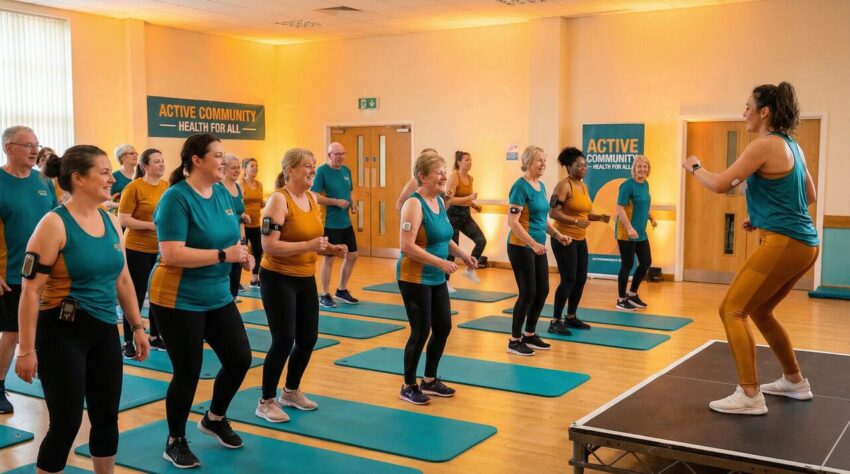
Managing diabetes effectively requires a multifaceted approach, and regular physical activity stands as a fundamental pillar in maintaining optimal glycemic control and overall health. While individualized exercise plans are valuable, participating in group fitness classes can offer additional advantages that extend beyond the physical. These classes provide structured routines, professional supervision, and a supportive community atmosphere, all of which can significantly enhance adherence and health outcomes for people living with diabetes. This comprehensive guide explores the scientifically supported benefits of group fitness for diabetes management, highlights various types of classes suitable for this population, and discusses essential safety considerations to ensure effective and secure participation.
The Evidence-Based Benefits of Group Fitness for Diabetes Management
It is well-established that regular exercise improves insulin sensitivity, facilitates glucose uptake by muscles, and supports cardiovascular function in individuals with type 1 and type 2 diabetes. Group fitness settings can magnify these benefits by promoting consistency, motivation, and social engagement.
Enhanced Glycemic Control
Participation in structured exercise programs, particularly within a group context, has been repeatedly associated with improved glycemic metrics such as lowered HbA1c values. Physical activity stimulates muscle glucose uptake independently of insulin, thus reducing circulating blood glucose levels. The camaraderie and accountability inherent in group classes often encourage sustained attendance, which is critical for maintaining long-term glycemic stability.
ℹ️ The Power of Consistent Exercise
Structured exercise, like that in group classes, has been shown to lower HbA1c levels, a key indicator of long-term blood sugar control. This is because regular physical activity helps your muscles use glucose more effectively, leading to better overall blood sugar management.
Cardiovascular Health Improvements
Given the heightened cardiovascular risk profile in individuals with diabetes, improving heart and vascular health is paramount. Aerobic exercises and combined aerobic-resistance training performed in group classes can effectively enhance cardiorespiratory fitness, lower blood pressure, and improve lipid profiles. These physiological improvements collectively reduce the likelihood of cardiovascular disease and its complications, contributing to increased longevity and quality of life.
Weight Management
Obesity remains a major contributor to type 2 diabetes development and progression. Group exercise sessions help increase total daily energy expenditure, facilitating weight loss or maintenance. Moreover, the social support and structured environment of group classes often enhance exercise adherence, which is a key determinant of successful weight management.
Psychological Well-being and Social Support
The psychological burden of living with a chronic illness like diabetes can be substantial. Group fitness environments provide an invaluable platform for social interaction, peer encouragement, and shared experiences, all of which can alleviate feelings of isolation and improve mental health outcomes. The motivational support from instructors and fellow participants enhances self-efficacy and fosters a positive mindset, which are essential for sustained diabetes self-care.
Improved Physical Function and Strength
Resistance training components commonly incorporated into group fitness routines are critical for preserving and increasing muscle mass and strength — factors especially important in older adults with diabetes. Enhanced muscular function contributes to better balance, reduced fall risk, and greater independence in daily activities. These benefits extend beyond glycemic control to improve overall functional capacity.
Suitable Group Fitness Class Types for Individuals with Diabetes
A variety of group fitness modalities can be adapted to meet the specific needs and health considerations of people with diabetes. Choosing the right type of class depends on individual fitness level, diabetes complications, and personal preferences.
Aerobic Classes
- Walking Groups: Accessible and low-cost, walking groups offer an effective way to improve cardiovascular health. Many communities organize walking clubs that provide social engagement alongside physical activity.
- Dance Fitness (e.g., Zumba, Jazzercise): These classes combine rhythmic movement with cardiovascular exercise, enhancing heart health while promoting coordination and enjoyment.
- Water Aerobics: This low-impact option is ideal for individuals with joint pain or neuropathy. Exercising in water reduces stress on joints while delivering cardiovascular benefits.
Strength Training Classes
- Bodyweight Training: Utilizing one’s own body weight through exercises like squats, lunges, push-ups, and planks can safely build muscle strength without requiring equipment.
- Resistance Band Classes: Resistance bands provide adjustable levels of difficulty, allowing participants to engage in full-body workouts tailored to their fitness and mobility.
- Light Weight Training: Supervised sessions using light dumbbells or similar equipment help increase muscle mass and improve insulin sensitivity, contributing to better glucose regulation.
Mind-Body Classes
- Yoga: This practice enhances flexibility, balance, and muscular strength while reducing stress levels, which can positively influence blood glucose control.
- Tai Chi: Characterized by slow, deliberate movements, Tai Chi improves balance and flexibility and has been shown to reduce stress, particularly benefiting older adults and those with diabetic neuropathy.
Combined Training
Classes that integrate both aerobic and resistance exercises, such as circuit training or modified boot camps, deliver comprehensive benefits by simultaneously targeting cardiovascular fitness, muscular strength, and metabolic control.
✅ Smart Start Tip
Before starting any new group fitness class, talk to your doctor. They can help you choose an activity that is safe and effective for you. Also, be sure to inform your fitness instructor about your diabetes so they can provide appropriate modifications and support.
Crucial Considerations for Safe and Effective Participation
Although group fitness classes offer numerous advantages, individuals with diabetes must approach exercise with careful planning and awareness to avoid adverse events.
Medical Clearance and Professional Guidance
Prior to initiating any new exercise regimen, consulting a healthcare provider is imperative. A comprehensive medical evaluation can identify potential contraindications and assess for diabetes-related complications such as neuropathy, retinopathy, or nephropathy. Collaborating with fitness professionals knowledgeable about diabetes ensures that exercise programs are appropriately tailored to individual health status and goals.
Blood Glucose Monitoring
Monitoring blood glucose levels before, during, and after exercise is essential, particularly when beginning a new activity or increasing intensity. This practice helps detect and prevent episodes of hypoglycemia or hyperglycemia. Participants should always carry fast-acting carbohydrate sources, such as glucose tablets or juice, to treat hypoglycemia promptly if it arises.
Hydration and Foot Care
Maintaining adequate hydration is critical during physical activity, as dehydration can adversely affect blood glucose and cardiovascular function. Additionally, meticulous foot care is vital, especially for those with peripheral neuropathy. Wearing properly fitted, supportive footwear and inspecting feet daily for cuts, blisters, or other injuries can prevent complications.
Medication Adjustments
Exercise influences how the body metabolizes diabetes medications, particularly insulin and certain oral agents. Healthcare providers may need to adjust dosages or timing to minimize the risk of hypoglycemia during or following exercise sessions.
Recognizing and Responding to Symptoms
Education on recognizing signs of hypoglycemia—such as shakiness, dizziness, confusion—and hyperglycemia—such as excessive thirst, frequent urination, and fatigue—is crucial for safe participation. Both participants and instructors should be trained to respond effectively to these symptoms, including administering first aid or seeking emergency care if necessary.
✅ Key Takeaway
Engaging in group fitness classes offers a multifaceted approach to diabetes management, combining physical, psychological, and social benefits. When undertaken with appropriate medical oversight and personal awareness, these classes can profoundly improve glycemic control, cardiovascular health, weight management, and quality of life for individuals living with diabetes.
 Urdu
Urdu  English