
Insulin resistance stands as a severe medical condition which scientists have found to be reversible through natural sustainable lifestyle modifications. Strategic changes to your eating habits together with physical activity plans and wellness practices will help you enhance insulin sensitivity and manage blood sugar levels to prevent type 2 diabetes development. The guide provides thorough instructions for people who want to reverse insulin resistance through natural methods. The Three Pillars of Reversing Insulin Resistance The process of reversing insulin resistance needs more than fast solutions and restrictive eating plans. The process of establishing healthy habits serves to support the natural blood sugar regulation system which exists within your body. The three main elements of this method include: Strategic Nutrition: The practice of consuming unprocessed whole foods which help maintain stable blood sugar levels. [1] Consistent Physical Activity: Incorporating both aerobic and resistance training to improve insulin sensitivity. [2] Holistic Wellness: Managing stress and prioritizing sleep to support hormonal balance. [3] Pillar 1: Strategic Nutrition for Insulin Sensitivity Your diet is one of the most powerful tools you have for combating insulin resistance. The objective requires selecting foods which produce minimal blood sugar elevation while delivering lasting energy. The following table outlines key dietary principles: Dietary Component Recommendations and Rationale Fiber-Rich Foods Soluble fiber which exists in oats and beans and apples and nuts helps slow down sugar absorption while making insulin work better. Aim for at least 25-30 grams of fiber per day. [4] Lean Protein Protein helps stabilize blood sugar and promotes satiety. The best sources of protein include fish together with chicken and turkey and beans and lentils. [1] Healthy Fats Monounsaturated and polyunsaturated fats, found in avocados, olive oil, nuts, and seeds, can help improve insulin sensitivity. [1] Non-Starchy Vegetables Fill your plate with low-carbohydrate vegetables like leafy greens, broccoli, cauliflower, and bell peppers. The foods provide essential nutrients for your body while keeping your blood sugar levels stable. [1] Whole Grains Choose whole grains like quinoa, brown rice, and whole-wheat bread over refined grains. The fiber in whole grains helps slow down the release of sugar into the bloodstream. [1] Limit Added Sugars and Refined Carbs Foods and drinks high in added sugars and refined carbohydrates (white bread, pastries, sugary sodas) cause rapid spikes in blood sugar and should be minimized. [5] The Glycemic Index The glycemic index (GI) is a useful tool for choosing foods that are less likely to cause large blood sugar fluctuations. Low-GI foods are digested and absorbed more slowly, leading to a more gradual rise in blood sugar. Pillar 2: The Power of Physical Activity Exercise is a cornerstone of reversing insulin resistance. Physical activity has a dual effect: it helps your muscles use glucose for energy and makes your cells more sensitive to insulin. The most effective approach involves combining aerobic exercise with resistance training. [2] Exercise Recommendations Aerobic Exercise: Aim for at least 150 minutes of moderate-intensity aerobic activity (such as brisk walking, cycling, or swimming) per week. This can be broken down into 30-minute sessions, five days a week. [6] Resistance Training: Incorporate strength training exercises (such as lifting weights or using resistance bands) at least two days per week. The process of muscle building leads to more insulin receptors which enables your body to handle insulin better. [2] Post-Meal Walks: Even a short, 15-20 minute walk after meals can help lower post-meal blood sugar levels and improve insulin sensitivity. [2] Pillar 3: Holistic Wellness for Hormonal Balance Chronic stress and poor sleep can disrupt hormonal balance and contribute to insulin resistance. Your path to lasting success needs you to fix these lifestyle elements. Stress Management When you are stressed, your body releases cortisol, a hormone that can increase blood sugar levels and contribute to insulin resistance. Your daily schedule needs to include stress-reducing activities which include mindfulness meditation and deep breathing exercises and yoga and spending time in nature. [3] Prioritizing Sleep Lack of sleep can impair insulin sensitivity and lead to increased cravings for sugary foods. Aim for 7-9 hours of quality sleep per night. To improve your sleep hygiene, establish a regular sleep schedule, create a relaxing bedtime routine, and avoid caffeine and alcohol before bed. [3] Related Articles You May Find Helpful→ The Science Behind Carbohydrate Timing for Diabetics→ Exercise Guide for Diabetes: Build a Routine That Works→ Reversing Insulin Resistance: A Practical Guide to Restoring Your Health Conclusion Reversing insulin resistance is an achievable goal that can have a profound impact on your health and well-being. The practice of eating nutrient-rich foods along with physical exercise and stress management and proper sleep patterns will help you regain insulin sensitivity to control your health. People who want to make major lifestyle changes need to get advice from their healthcare professional when they have existing health issues. References and Further Reading Cleveland Clinic. (2025, June 12). Foods To Eat on an Insulin Resistance Diet. Healthline. (2023, October 31). 14 Natural Ways to Improve Your Insulin Sensitivity. Yale School of Medicine. (2024, April 10). How to Reverse Insulin Resistance. Healthline. (2023, October 31). Eat More Soluble Fiber. WebMD. (2024, September 12). Insulin Resistance Diet: How to Use Diet to Prevent Diabetes. American Diabetes Association. (n.d.). Understanding Blood Glucose and Exercise.
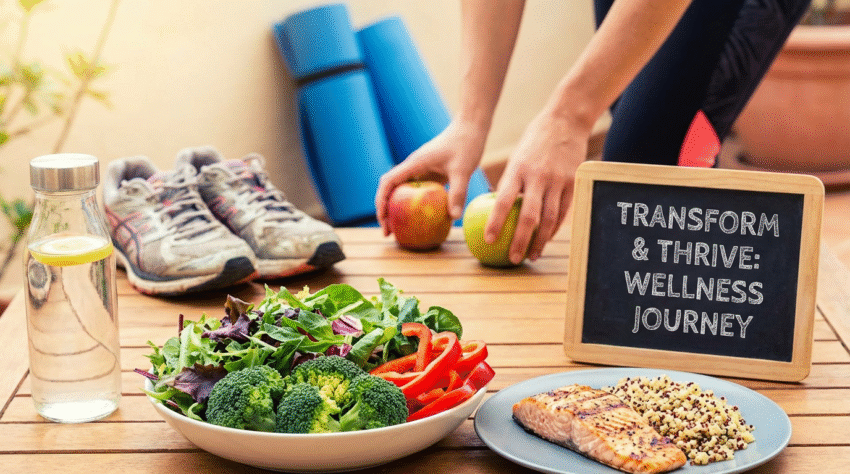
How to Reverse Insulin Resistance Naturally: A Complete Guide
Tags:
Category: Insulin Resistance
 Urdu
Urdu  English