
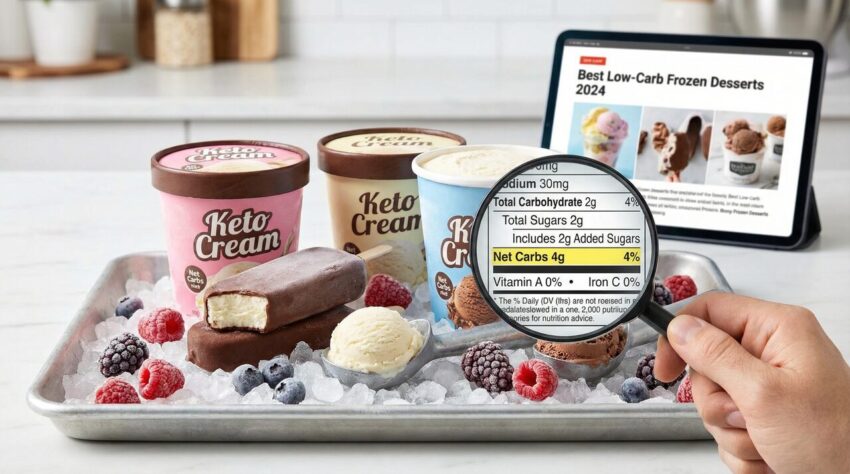
Low-Carb Ice Cream Reviews: A Sweet Treat for Diabetes Management
Introduction
For individuals navigating the complexities of diabetes, the allure of a sweet indulgence, such as ice cream, frequently brings with it concerns about potential blood sugar spikes. Happily, the market has recently witnessed a remarkable proliferation of low-carb ice cream alternatives, thereby offering a delightful avenue for enjoyment without jeopardising health objectives. This article aims to delve into the realm of low-carb ice creams, providing reviews of popular brands, scrutinising their constituent ingredients, and offering practical advice to facilitate informed choices that align seamlessly with your diabetes management strategy.
Understanding Low-Carb Ice Cream
Low-carb ice creams are, by design, formulated to contain considerably fewer carbohydrates and sugars than their traditional counterparts. This achievement primarily relies on the strategic utilisation of alternative sweeteners and, in some instances, different dairy or non-dairy bases.
Key Ingredients and Sweeteners
A closer look at the ingredients reveals several common players in the low-carb ice cream landscape:
- Sugar Alcohols: These include ingredients such as erythritol, xylitol, and maltitol, which are frequently employed. Erythritol, in particular, is often favoured; its minimal impact on blood sugar and reduced propensity for causing digestive upset, when compared to other sugar alcohols, makes it a popular choice.
- Artificial Sweeteners: Sucralose and aspartame are also present in some products, effectively delivering sweetness without contributing calories or carbohydrates.
- Natural Sweeteners: Monk fruit extract and stevia, both natural and calorie-free, are steadily gaining traction in the formulation of various low-carb products.
- Allulose: This intriguing “rare sugar” exerts a minimal effect on blood glucose levels and frequently features in premium low-carb ice creams, perhaps due to its favourable metabolic profile.
- Fibres: Ingredients like soluble corn fibre or inulin are sometimes incorporated. These not only contribute to an improved texture but also play a role in the ‘net carb’ calculation by virtue of their indigestible nature.
Nutritional Considerations for Diabetes
When selecting a low-carb ice cream, it is absolutely vital to look beyond a mere carb count. Several other nutritional facets warrant careful consideration:
- Net Carbs: This figure represents total carbohydrates minus fibre and sugar alcohols that do not significantly influence blood sugar. However, it is worth noting that individual responses to sugar alcohols can indeed vary.
- Total Sugars: Even within low-carb options, some products may, surprisingly, contain small quantities of added sugars. Therefore, always scrutinise the label meticulously.
- Fat Content: While fat itself does not directly elevate blood sugar, an excessive intake of saturated fat could, of course, carry other health implications. Consequently, opting for products with a moderate fat content is generally advisable.
- Protein Content: Interestingly, some low-carb ice creams are fortified with protein. This addition may contribute to enhanced satiety and potentially aid in blood sugar management, offering an added benefit.
Popular Low-Carb Ice Cream Brands Reviewed
Numerous brands have emerged as prominent contenders within the burgeoning low-carb ice cream market. Let’s explore some popular options and discern what makes them particularly suitable for individuals managing diabetes.
Halo Top
Halo Top is, without question, widely recognised for its lower calorie and reduced sugar ice creams. It primarily employs erythritol and stevia as its sweetening agents. While its carbohydrate count is undeniably lower than that of traditional ice cream, it remains crucial to verify the specific flavour, as nutritional values can, and often do, vary. Many individuals find Halo Top to be an excellent entry point into the world of low-carb ice cream, largely due to its widespread availability and diverse range of flavours.
Rebel Creamery
Rebel Creamery distinguishes itself by focusing on genuinely low-carb, keto-friendly ice creams, frequently utiliseing erythritol and monk fruit. Their products tend to boast a richer, creamier texture, often more closely resembling traditional ice cream. This is largely attributable to their typically higher fat content, which, while beneficial for satiety, also translates to a higher calorie count.
Nick’s Swedish-Style Light Ice Cream
Nick’s employs a sophisticated blend of sweeteners, including erythritol, stevia, and birch sugar (xylitol). The brand’s objective is to achieve a creamy texture with fewer calories and carbohydrates. Its distinctive Swedish-style approach frequently results in a noticeably smoother consistency, which many find appealing.
Enlightened
Much like Halo Top, Enlightened offers a comprehensive range of lower-calorie, lower-sugar ice creams, often sweetened with erythritol and monk fruit. Furthermore, it incorporates added fibre and protein into many of its products, a feature that could prove advantageous for both blood sugar control and overall digestive health.
So Delicious Dairy Free No Sugar Added
For those who adhere to a dairy-free diet, So Delicious provides excellent no-sugar-added options. These products typically utilise erythritol and monk fruit, delivering a sweet treat devoid of dairy or a significant sugar impact. It’s worth noting that these are often coconut milk-based, so individuals should remain mindful of the fat content.
Making the Best Choice for You
Selecting the optimal low-carb ice cream ultimately involves a blend of personal preference and meticulous label reading. Here are some invaluable tips:
- Read Nutrition Labels Carefully: Always, without exception, scrutinise the serving size, total carbohydrates, net carbs, fibre, and sugar alcohol content. And, of course, pay close attention to total sugars.
- Monitor Your Blood Glucose: Even with low-carb options, individual physiological responses can vary considerably. Therefore, we recommend testing your blood glucose both before and after consuming new products to truly understand their specific impact on your body.
- Portion Control is Key: Despite their lower carbohydrate content, these are, after all, still treats. Enjoy them in moderation as an integral part of a well-balanced meal plan.
- Consider Ingredients: If you experience sensitivities to certain sugar alcohols or artificial sweeteners, prudently choose products that utilise alternative ingredients.
- Flavour and Texture: Do not hesitate to experiment! A vast array of flavours and textures is available on the market, so you are highly likely to discover something truly enjoyable.
“Navigating the world of low-carb treats requires a blend of nutritional awareness and personal experimentation. What works well for one person with diabetes might have a different effect on another. Always prioritise how your body responds.”
Key Takeaways
- Low-carb ice creams offer a diabetes-friendly alternative to traditional options, but careful label reading is essential.
- Pay close attention to net carbs, total sugars, fat content, and protein when selecting a product.
- Individual responses to sugar alcohols and sweeteners can vary, so monitoring blood glucose is crucial.
- Brands like Halo Top, Rebel Creamery, Nick’s, Enlightened, and So Delicious offer diverse low-carb choices.
- Enjoy low-carb ice cream in moderation as part of a balanced diabetes management plan, and consult healthcare professionals for personalized advice.
نتیجہ اخذ کرنا
Low-carb ice creams present a truly fantastic opportunity for individuals with diabetes to savour a beloved dessert without compromising their crucial health objectives. By gaining a thorough understanding of the ingredients, diligently reading nutrition labels, and carefully monitoring your body’s unique response, you can confidently select options that seamlessly fit into your lifestyle. Remember, these delightful treats are best enjoyed in moderation and as a judicious component of a comprehensive diabetes management plan. As always, for personalised dietary advice, we strongly recommend consulting your healthcare provider or a registered dietitian. So, go ahead, enjoy your sweet moments responsibly!
 Urdu
Urdu  English