
Navigating the Skies with Diabetes: Your Essential Guide to TSA Guidelines 2026
The anticipation of air travel often brings a unique set of considerations for individuals managing chronic health conditions, particularly diabetes. A smooth journey hinges on meticulous planning, especially when navigating airport security with vital medical supplies. This comprehensive guide aims to clarify the Transportation Security Administration (TSA) guidelines for travelers with diabetes in 2026, offering practical advice and empathetic insights to foster confidence as you embark on your next adventure.
Understanding TSA’s Approach to Medical Conditions
The Transportation Security Administration (TSA) is dedicated to upholding the safety and security of all passengers while simultaneously striving for an efficient screening process. For those traveling with medical conditions, this commitment extends to accommodating necessary medical supplies and devices. Fundamentally, all passengers and their belongings are subject to screening. Nevertheless, the TSA acknowledges the distinct requirements of individuals managing conditions such as diabetes.
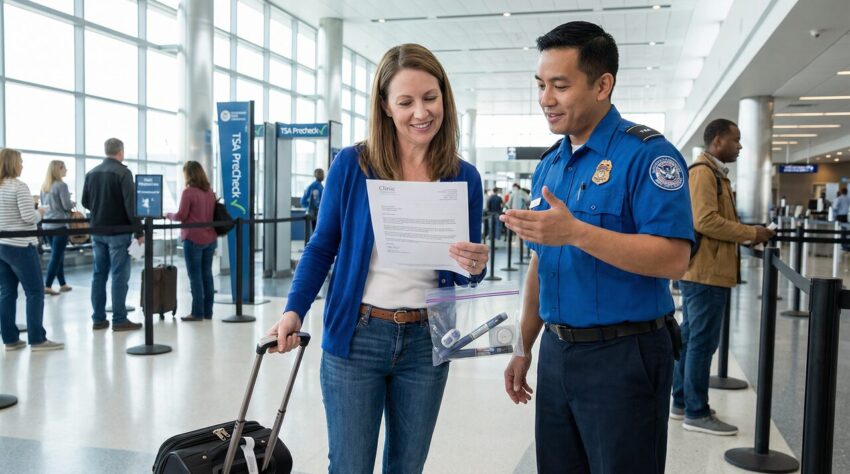
Effective communication is paramount. It is strongly advised that you inform the TSA officer about your diabetes and any associated medical supplies or devices prior to initiating the screening process. This disclosure can be made verbally or by presenting a TSA Notification Card, which facilitates discreet communication of your specific needs. Furthermore, the TSA provides the TSA Cares helpline, a valuable resource designed to offer additional support and information to travelers with disabilities and medical conditions.
Essential Diabetes Supplies: What to Pack and Where
Medications: Insulin and Oral Treatments
For many individuals living with diabetes, insulin and other injectable or oral medications are indispensable. The TSA permits medically necessary liquids, gels, and aerosols in carry-on bags in quantities exceeding the standard 3.4 ounces (100 milliliters) rule. This exemption specifically applies to insulin and other liquid medications pertinent to diabetes management. Prudent travelers should consider the following:
- Ensure all medications are clearly labeled: Although not a strict mandate, clearly labeled medications can significantly streamline the screening process.
- Carry prescriptions or a doctor’s note: Possessing documentation from your healthcare provider can substantiate the medical necessity of your supplies, particularly for larger liquid volumes or unusual items.
- Always transport medications in your carry-on luggage: Checked baggage is prone to extreme temperature fluctuations, which can compromise the efficacy of insulin and other temperature-sensitive medications. Keeping these items with you ensures they maintain a stable temperature and remain readily accessible throughout your journey.
Insulin Pumps and Continuous Glucose Monitors (CGMs)
Contemporary diabetes management frequently incorporates advanced devices such as insulin pumps and continuous glucose monitors (CGMs). These devices are generally allowed through security checkpoints. Upon approaching the screening area, it is imperative to inform the TSA officer about your pump or CGM and its placement on your person. Several screening options are available:
- X-ray screening: Most insulin pumps and CGMs can safely undergo X-ray screening. Nevertheless, it is crucial to consult your device manufacturer for precise guidance regarding compatibility with airport screening technologies.
- Metal detector: These devices are also amenable to screening via a walk-through metal detector.
- Advanced Imaging Technology (AIT): Should you opt for AIT screening, be advised that some manufacturers caution against exposing certain devices to this technology. Always verify with your specific device manufacturer.
- Pat-downs: If you are unable to disconnect from your device, or if it triggers an alarm during screening, a pat-down may be necessary. These procedures are conducted by a TSA officer of the same sex and are performed with utmost care and gentleness.
Crucial Battery Information: Devices containing lithium metal or lithium-ion batteries must be transported in carry-on baggage. This constitutes a vital safety regulation designed to mitigate potential fire hazards within the cargo hold.
Syringes, Lancets, and Sharps Containers
The TSA permits syringes, lancets, and other sharp objects when they are accompanied by insulin or other injectable medications. To ensure both safety and compliance, consider these points:
- Maintain proximity with medication: Syringes and lancets should be kept alongside their corresponding medication.
- Utilize dedicated sharps containers: For the secure disposal of used needles and lancets, always carry a robust, puncture-proof sharps disposal container. This practice safeguards both you and airport personnel.
Blood Sugar Test Kits and Hypoglycemia Treatments
Blood sugar test kits, encompassing glucose meters, test strips, and control solutions, are permissible in both carry-on and checked baggage. For managing episodes of hypoglycemia, liquid or gel forms of rapid-acting sugar (e.g., juice, glucose gel) exceeding 3.4 ounces are allowed in carry-on bags if deemed medically necessary. Always remember to declare these items to the TSA officer during the screening process.
“Preparation transcends mere packing; it embodies the empowerment derived from knowledge and confidence, enabling one to navigate every facet of their journey, particularly when managing a health condition.”
Navigating the Security Checkpoint with Confidence
Before You Go: Proactive Planning
A well-prepared traveler inherently possesses greater confidence. Prior to departing for the airport:
- Organize a distinct medical bag: Designate a small, easily accessible bag specifically for all your diabetes supplies. This arrangement facilitates swift presentation at the checkpoint.
- Assemble medical documentation: Ensure you have a letter from your physician detailing your condition, medications, and devices. Such documentation can prove invaluable should questions arise.
- Consider a TSA Notification Card: This card, readily available on the TSA website, allows you to discreetly inform officers of your medical condition.
At the Checkpoint: What to Expect
Upon reaching the security checkpoint:
- Declare all medical items: Inform the TSA officer about your liquid medications, insulin pump, CGM, and any other medical devices.
- Anticipate visual inspection: Your medical supplies may undergo visual inspection or additional screening. This is a standard procedure designed to ensure safety.
- Request a private screening: Should you prefer, you are entitled to request a private screening in a separate area.
- Understanding pat-downs: If a pat-down becomes necessary, recognize that it is a routine procedure. You may request that it be conducted by an officer of the same gender.
TSA PreCheck® Lanes: An Advantage for Diabetics
Enrollment in TSA PreCheck® can significantly streamline your airport experience. Within these lanes, you typically are not required to remove shoes, laptops, or 3-1-1 compliant liquids. While this offers considerable convenience, it is important to remember that additional screening may still be necessary for insulin pumps or glucose monitors if they trigger an alarm during screening. If an AIT scan is utilized and your device alarms, a targeted pat-down will be performed, and your hands may be tested for traces of explosives.
Practical Tips for a Smooth Journey
- Always Double Your Supplies: Pack at least twice the quantity of medication and supplies you anticipate needing for your trip. This accounts for potential delays or unforeseen circumstances.
- Maintain Accessibility: Store essential diabetes management items, such as glucose tablets or juice, within easy reach throughout the flight.
- Prioritize Hydration and Smart Snacking: Air travel can influence blood sugar levels. Consume ample water and keep diabetes-friendly snacks readily available.
- Address Time Zone Adjustments: When traversing multiple time zones, consult your healthcare provider to strategize how to modify your medication schedule for optimal blood glucose control.
- Wear Medical Alert Identification: In the event of an emergency, medical alert identification can furnish critical information to first responders.
Key Takeaways
- Always proactively inform TSA officers about your diabetes and all associated medical supplies.
- Ensure all medications and medical devices are packed exclusively in your carry-on baggage.
- Carry a comprehensive doctor’s note or prescription for all medications and devices.
- Be prepared for thorough visual inspections or supplementary screening of your supplies.
- Plan meticulously for potential travel disruptions by packing an abundance of extra supplies and appropriate snacks.
نتیجہ اخذ کرنا
Traveling with diabetes in 2026, while undeniably requiring foresight and diligent preparation, remains entirely manageable. By comprehending and adhering to TSA guidelines, engaging in clear communication with security personnel, and proactively planning for your individual needs, you can cultivate a stress-free and enjoyable travel experience. Always remember that your health and safety are paramount. Therefore, it is always prudent to consult your healthcare provider before undertaking any significant travel to discuss personalized adjustments to your diabetes management plan.
 Urdu
Urdu  English