
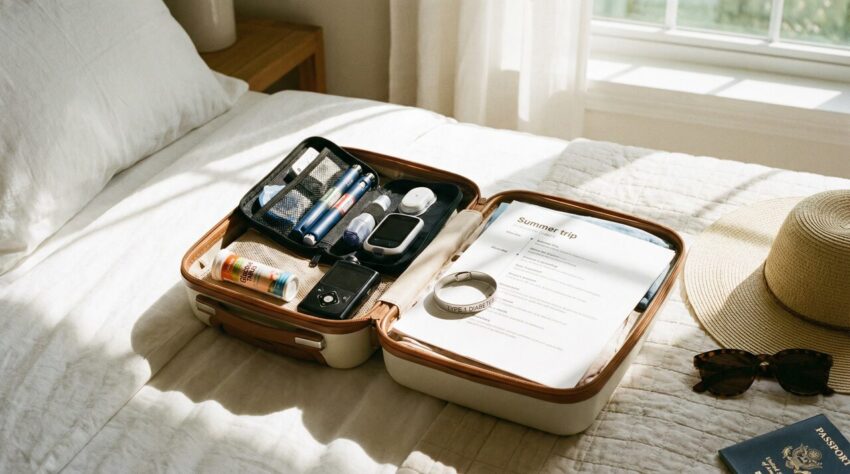
Summer Travel with Diabetes: Your Essential Packing List
Summer travel, while undeniably exciting and replete with opportunities for adventure and relaxation, introduces a distinct set of considerations for individuals navigating diabetes. A truly smooth and healthy journey, we have found, hinges on meticulous planning—particularly when it comes to curating the right packing list. This article aims to offer an evidence-based framework for preparing for summer travel with diabetes, focusing on those essential items that can help you traverse your journey with both confidence and, perhaps more importantly, peace of mind.
Essential Diabetes Supplies: Beyond the Basics
When embarking on any trip, a cardinal rule for diabetes supplies immediately comes to mind: always pack more than you anticipate needing. Indeed, doubling your usual quantity is often a prudent strategy, accounting for potential delays, the unfortunate reality of lost luggage, or any unforeseen circumstances that might arise. Crucially, these vital items should always reside in your carry-on bag. Why, you ask? Checked luggage, as many of us know, can be subjected to extreme temperature fluctuations and, regrettably, may find itself separated from you at the most inconvenient times.
Medications and Devices
- Insulin and Oral Medications: Naturally, all prescribed insulin (whether in vials or pens) and oral diabetes medications must be packed. It is imperative to ensure you have a sufficient quantity for the entirety of your trip, plus a generous buffer.
- Syringes, Pen Needles, and Lancets: These items are, quite simply, indispensable for both insulin administration and routine blood glucose monitoring. We also suggest packing a dedicated sharps container for safe disposal—a detail often overlooked.
- Blood Glucose Meter and Test Strips: Regular monitoring becomes even more critical when routines shift, diets change, and activity levels vary during travel. Don’t forget to pack extra batteries for your meter; it’s a small detail that can make a big difference.
- Continuous Glucose Monitor (CGM) Supplies: For those who rely on a CGM, bringing an ample supply of sensors, transmitters, and insertion devices is non-negotiable.
- Insulin Pump Supplies: Pump users should include extra reservoirs, infusion sets, and batteries. Furthermore, an emergency insulin kit—comprising syringes and insulin—is an absolute must, safeguarding against potential pump malfunctions.
Hypoglycaemia Treatment
Being prepared for low blood sugar is paramount. Therefore, always pack fast-acting carbohydrates that are both convenient to carry and easy to consume:
- Glucose Tablets or Gel: These products are specifically formulated for rapid glucose absorption, making them highly effective.
- Hard Candies or Juice Boxes: These provide non-perishable alternatives that can swiftly elevate blood sugar levels.
- Glucagon Emergency Kit: It is certainly worth discussing with your healthcare provider whether this would be an appropriate addition to your travel kit, depending on your specific circumstances.
Protecting Your Supplies from Summer Heat
The summer months, with their often soaring temperatures, can pose a significant threat to insulin and various other diabetes medications. These substances are inherently sensitive to heat, and exposure to elevated temperatures can, unfortunately, diminish their effectiveness.
As the CDC rightly notes, “Insulin should not be exposed to temperatures that are too hot or too cold. The best storage option is often a small cooler or cooler bag with enough ice to keep it cool without freezing” [1].
So, what are some practical options for temperature control?
- Insulated Cooler Bags: Small, portable cooler bags, ideally equipped with gel packs (and critically, not ice, which could inadvertently freeze insulin), are excellent for maintaining insulin and other heat-sensitive medications at a safe temperature. Frio bags, which are activated simply with water, also offer a superb solution for maintaining cool temperatures without the need for refrigeration.
- Avoid Direct Sunlight: This might seem obvious, but it bears repeating: never, under any circumstances, leave medications in direct sunlight or in a hot car. The internal temperature of a vehicle can rise astonishingly quickly.
Food, Hydration, and Blood Sugar Management
Travel, by its very nature, often disrupts established eating routines and introduces a plethora of new food options. Strategic planning in this area, we find, can be instrumental in maintaining stable blood glucose levels.
- Healthy Snacks: Packing non-perishable, diabetes-friendly snacks—think nuts, seeds, whole-grain crackers, and fruit—can be an absolute lifesaver during unexpected delays or when suitable healthy options are simply unavailable.
- Hydration: Staying adequately hydrated is paramount, particularly when venturing into warmer climates. Carry a reusable water bottle and make a conscious effort to drink plenty of water throughout the day. It’s worth remembering that dehydration can, in fact, influence blood sugar levels.
- Meal Planning: Take a little time to research food options both at your destination and along your travel route. When dining out, a mindful approach to portion sizes and carbohydrate content can go a long way.
Foot Care: A Travel Priority
For individuals with diabetes, the increased walking and new footwear often associated with travel can unfortunately place their feet at considerable risk.
- Comfortable Footwear: Pack comfortable, supportive shoes that you have already broken in. A word of caution: avoid brand-new shoes, as they are notorious for causing blisters.
- Daily Foot Checks: Make it a habit to inspect your feet daily for any cuts, blisters, redness, or swelling. Addressing any issues promptly is absolutely crucial.
- Moisturising Lotion: Keeping your feet moisturised can help prevent dry, cracked skin—another common concern.
Documentation and Communication: Be Prepared
Having the appropriate documentation at hand and knowing precisely whom to contact in an emergency can significantly alleviate stress and help ensure you receive appropriate care should the need arise.
- Medical Identification: Wearing a medical ID bracelet or necklace that clearly indicates you have diabetes is a simple yet incredibly effective measure.
- Doctor’s Letter: Carry a letter from your doctor. This should explain your condition, list your medications, and detail any necessary medical devices. Such a document can prove invaluable for airport security and, more critically, in the event of medical emergencies, especially when travelling abroad.
- Prescriptions: Bring copies of all your prescriptions, including the generic names for your medications. This can be particularly helpful if you need a refill in an unfamiliar location.
- Emergency Contacts: Maintain a readily accessible list of emergency contacts, including your healthcare provider, family members, and your travel insurance information.
Activity and Monitoring: Staying on Track
Travel, almost by definition, often involves more physical activity, which can impact blood sugar levels.
- Frequent Monitoring: It is generally advisable to check your blood glucose more often than you typically would, especially before and after activities and whenever you’re trying new foods.
- Adjusting Insulin: This is a key discussion point to have with your doctor well before your trip. Understand how to adjust insulin doses based on varying activity levels, time zone changes, and dietary shifts.
- Stay Active Safely: By all means, enjoy physical activities, but be mindful of the time of day, particularly in hot climates. It’s often best to avoid strenuous outdoor activities during the hottest parts of the day.
Key Takeaways
- Always pack double the amount of diabetes supplies you anticipate needing, and always keep them in your carry-on.
- Protect insulin and other medications from extreme temperatures using insulated bags or Frio pouches.
- Prioritise hydration and pack diabetes-friendly snacks to help manage blood sugar fluctuations during travel.
- Wear comfortable shoes and perform daily foot checks to prevent complications.
- Carry essential medical documentation, including a doctor’s letter and prescriptions, for smooth travel and emergency preparedness.
نتیجہ اخذ کرنا
Embarking on summer travels with diabetes is, unequivocally, an entirely achievable endeavour, provided one engages in careful planning and thorough preparation. By meticulously organising your essential supplies, diligently protecting your medications, thoughtfully managing your diet and hydration, and prioritising meticulous foot care, you can wholeheartedly enjoy your adventures without compromising your health. We strongly recommend consulting your healthcare provider well in advance of your trip to discuss any necessary adjustments to your diabetes management plan. Safe travels!
References
[1] CDC. (n.d.). Managing Diabetes in the Heat. Retrieved from https://www.cdc.gov/diabetes/articles/managing-diabetes-in-the-heat.html
 Urdu
Urdu  English