
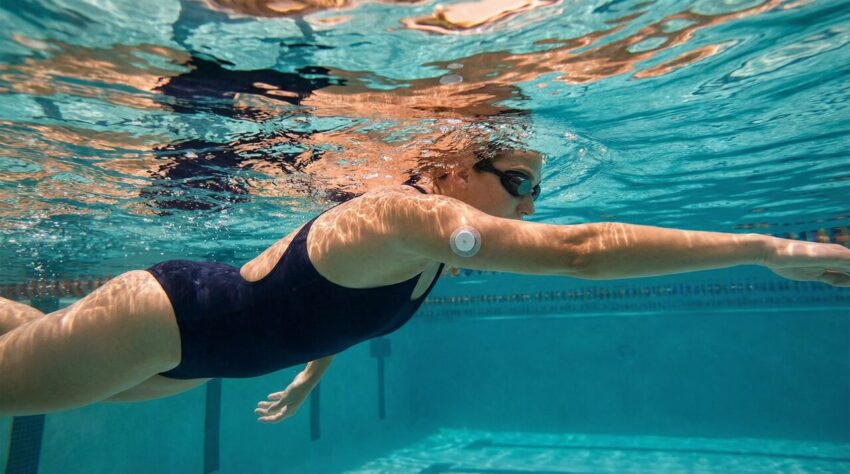
Living with diabetes doesn’t mean you have to shy away from the joys of swimming and other water activities. With proper planning and management, individuals using Continuous Glucose Monitors (CGMs) and insulin pumps can safely and confidently enjoy aquatic environments. This comprehensive guide will delve into the essential tips and considerations for managing diabetes effectively while swimming, ensuring both safety and enjoyment.
Understanding the Impact of Water on Diabetes Management
The water resistance of insulin pumps needs special attention because these devices deliver insulin with accurate precision. Depending on your pump model, you may need to disconnect it or take specific precautions.
1. Understand Your Pump’s Waterproofing: Not all insulin pumps are fully waterproof. The products come in two types: water-resistant devices which handle short water contact and waterproof devices which allow for longer water exposure. The user manual for your pump contains information about its water resistance level. Some Medtronic pumps allow water exposure up to certain limits but other models need users to disconnect their devices before water contact [3].
2. Disconnect When Necessary: The insulin pump must be removed for users who plan to swim for long periods because their device does not have complete water protection. Most pumps allow for temporary disconnection from the infusion set. Remember to bolus for the missed basal insulin if you disconnect for an extended period (typically more than an hour) [4].
3. Protect Your Pump: Users who want additional protection for their water-resistant pumps which lack complete waterproof capabilities should use waterproof cases or pouches. The devices establish an extra defense system which protects them from water harm.
4. Plan for Insulin Delivery: When you need to stop your pump operation you should create a complete plan for how you will deliver your insulin. You may need to administer a bolus dose before swimming to cover the period of disconnection. You should receive guidance from your healthcare provider about how to modify your insulin treatment when you want to swim in water.
General Diabetes Management Tips for Water Activities
The swimming safety of people with diabetes needs more than device-specific requirements because they must follow essential diabetes management practices.
1. Check Blood Glucose Before and After: Test your blood sugar levels before you go into the water. People should keep their blood sugar levels between 120 and 180 mg/dL (6.7-10.0 mmol/L) before swimming because physical activity tends to decrease their blood sugar levels. You should measure your blood sugar right after swimming and wait until several hours pass because physical activity affects blood sugar with a delayed effect [5].
2. Have Hypoglycemia Treatments Handy: People need to keep fast-acting carbohydrates (such as glucose tablets and juice and sugary snacks) within their reach at their poolside or beach location. Unexpected blood sugar drops will happen to you even though you have done your best to plan everything.
3. Stay Hydrated: Blood sugar levels experience effects from dehydration which occurs when people do not have enough water in their bodies. People need to drink water in large amounts when the weather becomes hot because this practice helps them maintain proper hydration levels.
4. Inform Others: You should inform your swim partners and lifeguards and family members about your diabetes diagnosis so they can help you during a hypoglycemic crisis. The system enables you to obtain assistance whenever you need it.
5. Protect Insulin from Heat: The swimming outdoors requires you to find a shaded area which will help you protect your insulin and diabetes supplies from heat damage. Direct sunlight and high temperatures can degrade insulin, making it less effective.
6. Foot Care: You need to inspect your feet before swimming and after swimming especially when you walk without shoes on surfaces that have rough textures. Diabetes causes nerve damage which leads to reduced foot sensation so people with this condition will develop foot wounds more easily.
Consult Your Healthcare Provider
People should get medical approval from their endocrinologist or diabetes care team before they start any water activities or make substantial modifications to their diabetes treatment approach. The service offers customized recommendations which match your diabetes type and your current treatment approach and your personal requirements.
References:
[1] Children’s Health. (n.d.). Swimming with a continuous glucose monitor (CGM).
[2] Nutrisense. (2022, September 24). Can You Swim With a CGM: Tips and Advice.
[3] Medtronic Diabetes. (2022, July 26). Swimming with Diabetes: Let’s Dive In.
[4] Making Diabetes Easier. (2026, March 5). Insulin Pumps And Swimming: What You Need To Know.
[5] Everyday Health. (2025, July 1). Swimming for Diabetes Management: Benefits, Tips, and.
✅ Key Takeaway
Swimming with diabetes is safe and enjoyable with careful planning. Understanding your CGM and insulin pump’s capabilities, securing your devices, and monitoring your blood glucose are essential for a worry-free experience.
 Urdu
Urdu  English