
People who control diabetes need to place their attention on food selection above all else. Research in chrononutrition shows that the timing of meals plays an equal role to food choices for managing blood sugar levels and metabolic health. [1] The research presented in this article explains how carbohydrate timing works scientifically while showing how to arrange your meals for improved blood sugar management. The Body’s Internal Clock and MetabolismOur bodies operate on a 24-hour internal clock known as the circadian rhythm which governs various physiological processes including metabolism and hormone secretion and insulin sensitivity. [2] The internal clock system of our body creates daily changes in how we digest carbohydrates and other nutrients. Studies confirm that our bodies show peak insulin sensitivity during morning hours which gradually declines as the day goes on. [3] The human body shows superior glucose utilization during morning hours which makes morning and early afternoon times the best period to eat carbohydrates. The body produces the largest blood sugar spikes after consuming carb-based meals that contain many carbohydrates during the late hours when insulin sensitivity is at its lowest level. [4] Key Strategies for Carbohydrate Timing Based on the principles of chrononutrition and recent clinical studies, several key strategies can be employed to improve blood sugar management through meal timing. Front-Loading Carbohydrates: Consume the majority of your daily carbohydrate intake during breakfast and lunch. This aligns with the body’s natural circadian rhythm, leveraging higher morning insulin sensitivity to minimize blood sugar spikes. [1] Carbohydrates-Last Meal Order: Eat vegetables, protein, and fats before consuming carbohydrates in a meal. The combination of fiber with protein and fat creates a slower digestion process which results in a slower blood sugar rise after eating. Consistent Meal Times: Eat your meals at roughly the same time each day. The body maintains stable blood sugar levels through regular eating patterns which create predictable metabolic responses. The body loses its regular metabolic patterns through skipping meals which leads to metabolic instability. [5] Avoiding Late-Night Carbs: Limit or avoid carbohydrate consumption in the hours leading up to bedtime. The body shows its least sensitive response to insulin during nighttime so eating carbohydrates before bed causes blood sugar levels to rise throughout the night which damages both sleep quality and morning blood sugar readings. [4] Practical Application and ConsiderationsThese methods work with your current eating habits to create small changes instead of needing a total diet transformation. Start by observing your own blood sugar responses to meals at different times of the day. The results show that sweet potatoes produce various blood sugar responses based on the time of day when people consume them. It is also important to note that individual responses can vary. The following elements determine how the body processes carbohydrates: genetic makeup and exercise routines and the kind of carbohydrates eaten. A healthcare provider or registered dietitian needs to support you when creating a meal plan which matches your individual requirements and wellness objectives. Related Articles You May Find Helpful→ Net Carbs vs. Total Carbs: What Diabetics Need to Know→ How Carbohydrates Affect Blood Sugar: A Complete Guide→ Reversing Insulin Resistance: A Practical Guide to Restoring Your HealthThe timing of your meals together with what you eat serves as a vital component for managing diabetes through effective self-care. The practice of timing carbohydrates strategically together with a low-carbohydrate diet leads to better blood sugar control and improved insulin sensitivity which results in superior life quality. References and Further Reading Henry, C. J., Kaur, B., & Quek, R. Y. C. (2020). Chrononutrition in the management of diabetes. Nutrition & Diabetes , 10 (1), 6. Stenvers, D. J., Scheer, F. A. J. L., Schrauwen, P., la Fleur, S. E., & Kalsbeek, A. (2019). Circadian clocks and insulin resistance. Nature Reviews Endocrinology , 15 (2), 75–89. Mezitis, N. H. E., et al. (2018). Chrononutrition Applied to Diabetes Management. Diabetes Spectrum , 31 (4), 349–356. Leung, G. K. W., et al. (2019). Effect of meal timing on postprandial glucose responses to a low-glycemic index meal: a crossover trial in healthy volunteers. Clinical Nutrition , 38 (1), 416–421. American Diabetes Association. (n.d.). Meal Planning.
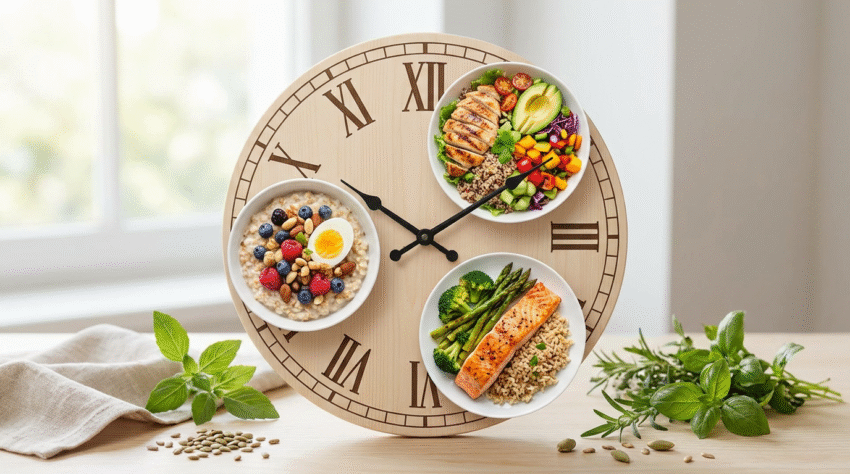
The Science Behind Carbohydrate Timing for Diabetics
Tags:
Category: Nutrition
 Urdu
Urdu  English