
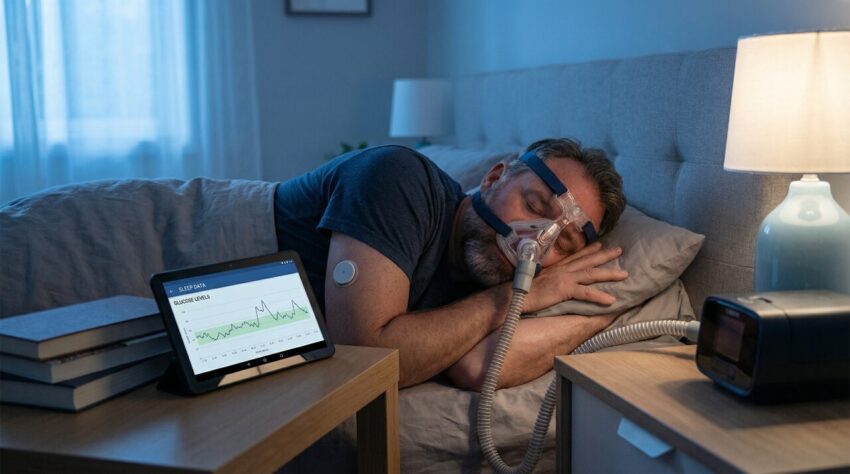
The Silent Threat: How Sleep Apnea Impacts Men with Diabetes
For many men navigating life with diabetes, the journey often involves more than just blood sugar management. A frequently overlooked, yet profoundly impactful, co-morbidity is sleep apnea. This condition is characterized by recurrent pauses in breathing during sleep, a silent threat that not only disrupts restorative rest but also significantly influences diabetes control and overall well-being. Grasping the intricate connection between sleep apnea and diabetes is paramount for improving health outcomes and elevating quality of life. This article explores the prevalence, underlying mechanisms, and effective management strategies for sleep apnea in men with diabetes, providing practical insights and actionable guidance.
The Intertwined Nature of Sleep Apnea and Diabetes
Sleep apnea, particularly its obstructive form (OSA), exhibits a striking prevalence among individuals diagnosed with type 2 diabetes. Research indicates that a substantial proportion of men with type 2 diabetes also contend with undiagnosed OSA [1]. This relationship is notably bidirectional, implying that each condition can intensify the other. Diabetes itself may elevate the risk of OSA through various pathways, including neuropathy affecting upper airway muscles and heightened systemic inflammation. Conversely, the chronic intermittent hypoxia and fragmented sleep inherent in OSA can exacerbate insulin resistance and impair glucose metabolism, thereby complicating diabetes management.
Understanding Obstructive Sleep Apnea (OSA)
OSA manifests when the muscles at the back of the throat relax excessively, leading to a narrowing or complete closure of the airway during sleep. This results in breathing interruptions, frequently accompanied by pronounced snoring, gasping, or choking sounds. These apneic events can persist from a few seconds to over a minute, potentially occurring hundreds of times each night. The body’s physiological response to these episodes includes brief awakenings, increased activity of the sympathetic nervous system, and a reduction in blood oxygen levels. Over time, these cumulative physiological stressors contribute to systemic inflammation, oxidative stress, and metabolic dysfunction.
Why Men with Diabetes are Particularly Vulnerable
Men generally face a higher risk of developing OSA compared to women, and this risk is further amplified in the context of diabetes. Several factors contribute to this heightened vulnerability:
- Obesity: A primary and shared risk factor for both diabetes and OSA. Excess adipose tissue, particularly around the neck, can constrict the airway.
- Hormonal Factors: Fluctuations in testosterone levels can influence the tone of upper airway muscles.
- Neuropathy: Diabetic neuropathy has the potential to affect the nerves governing upper airway muscles, leading to increased collapsibility.
- Inflammation: Both conditions are characterized by chronic low-grade inflammation, establishing a self-perpetuating cycle.
The Impact on Diabetes Management
Uncontrolled sleep apnea can significantly complicate the effective management of diabetes. The recurrent drops in oxygen saturation and surges in stress hormones, such as cortisol and adrenaline, during apneic episodes can lead to several adverse outcomes:
- Increased Insulin Resistance: This renders cells less responsive to insulin, necessitating higher medication dosages or making glycemic control more arduous.
- Elevated Blood Glucose Levels: Notably, fasting glucose and HbA1c levels can rise due to compromised glucose metabolism.
- Worsened Diabetic Complications: The progression of conditions like cardiovascular disease, kidney disease, and retinopathy can accelerate [2].
- Impaired Quality of Life: Manifesting as persistent daytime fatigue, heightened irritability, diminished concentration, and reduced engagement in physical activity.
“Emerging evidence in the last 10 years has suggested that sleep apnea is a novel risk factor in the development of diabetes.” [3]
Diagnosis and Screening
Given the substantial prevalence and profound impact of sleep apnea, systematic screening is imperative for men with diabetes. The American Academy of Sleep Medicine (AASM) advocates for the evaluation of individuals with type 2 diabetes for sleep apnea [4]. Diagnosis typically involves a sleep study, known as polysomnography, which can be performed either in a specialized sleep laboratory or within the comfort of one’s home. Early diagnosis facilitates timely intervention, thereby mitigating the risk of further complications.
Effective Management Strategies
Managing sleep apnea in men with diabetes frequently necessitates a comprehensive, multi-faceted approach:
Continuous Positive Airway Pressure (CPAP)
CPAP therapy stands as the gold standard for treating moderate to severe OSA. This intervention involves wearing a mask during sleep that delivers a continuous stream of air, effectively maintaining an open airway. Consistent adherence to CPAP can markedly enhance sleep quality, alleviate daytime somnolence, and favorably influence blood glucose regulation [5].
Lifestyle Modifications
- Weight Management: Even a modest reduction in body weight can substantially decrease the severity of OSA and improve insulin sensitivity.
- Regular Exercise: Engaging in consistent physical activity promotes overall health, enhances sleep quality, and supports weight management efforts.
- Avoid Alcohol and Sedatives: These substances can induce relaxation of throat muscles, thereby exacerbating apneic episodes.
- Sleep Position: Adopting a side-sleeping position, as opposed to sleeping on the back, can help maintain airway patency.
Oral Appliances and Surgery
For certain individuals, oral appliances designed to reposition the jaw or tongue, or surgical interventions aimed at removing excess tissue, may be considered as viable alternatives or complementary treatments to CPAP.
Key Takeaways
- Sleep apnea is highly prevalent and often undiagnosed in men with type 2 diabetes, creating a reciprocal exacerbation of both conditions.
- Obstructive sleep apnea (OSA) intensifies insulin resistance and elevates blood glucose levels, rendering diabetes management more challenging.
- Men with diabetes are particularly susceptible due to contributing factors such as obesity, hormonal influences, and diabetic neuropathy.
- Prompt screening and accurate diagnosis are crucial for averting additional health complications.
- Effective management strategies encompass CPAP therapy, targeted lifestyle modifications (including weight loss and regular exercise), and, in some cases, oral appliances or surgical options.
Sleep apnea in men with diabetes represents a serious, yet ultimately manageable, health concern. Recognizing its characteristic signs and symptoms, pursuing timely diagnosis, and adhering diligently to comprehensive treatment protocols can significantly enhance both sleep quality and glycemic control. By proactively addressing this silent threat, men with diabetes are empowered to take a decisive step towards improved health, sustained energy, and a more fulfilling life. Always engage with your healthcare provider to formulate a personalized management plan tailored to your specific needs.
References
- [1] West, S. D., et al. (2006). Prevalence of obstructive sleep apnoea in men with type 2 diabetes; most are undiagnosed. Thorax, 61(11), 1017-1020. https://pmc.ncbi.nlm.nih.gov/articles/PMC2121154/
- [2] Siwasaranond, N., et al. (2018). The Relationship between Diabetes-Related Complications and Obstructive Sleep Apnea in Type 2 Diabetes. Journal of Clinical Sleep Medicine, 14(3), 425–432. https://pmc.ncbi.nlm.nih.gov/articles/PMC5863325/
- [3] Pandey, A. (2011). Sleep Apnea and Diabetes: Insights into Emerging Evidence. Journal of Clinical Sleep Medicine, 7(5), 543–544. https://pmc.ncbi.nlm.nih.gov/articles/PMC4224959/
- [4] American Academy of Sleep Medicine. (2024). Patients with Type 2 Diabetes or Hypertension Must Be Evaluated for Sleep Apnea. https://aasm.org/patients-with-type-2-diabetes-or-hypertension-must-be-evaluated-for-sleep-apnea/
- [5] Muraki, I., et al. (2018). Sleep apnea and type 2 diabetes. Journal of Diabetes Investigation, 9(4), 716–724. https://pmc.ncbi.nlm.nih.gov/articles/PMC6123041/
 Urdu
Urdu  English