
Anyone who wants to understand metabolic health must study insulin resistance because it affects people who have type 2 diabetes or those who need to prevent it. The body fails to use insulin effectively which results in muscle fat and liver cells becoming unable to take glucose from the bloodstream. The pancreas needs to create increasing amounts of insulin because this process demands it to help glucose move into cells. The pancreas maintains blood glucose levels within normal ranges through its ability to produce sufficient insulin for this weak response. The pancreas loses its ability to produce enough insulin which causes blood sugar levels to increase and results in prediabetes and type 2 diabetes. [1] The Role of Insulin The body needs insulin to perform its functions so learning about this hormone will help you understand insulin resistance. The pancreas produces insulin which functions as a key to open cell doors so glucose can enter and produce energy. The body converts carbohydrates from food into glucose which then enters the bloodstream during digestion. The body sends a signal to the pancreas which causes it to release insulin. The bloodstream carries insulin to your body cells where it instructs them to open their doors for glucose entry. The body uses this process to maintain blood sugar levels within normal healthy ranges. [2] Nutrient Role in the Body Impact on Blood Sugar Carbohydrates Primary source of energy Direct and significant impact Protein Building blocks for tissues Minimal impact in moderate amounts Fat Energy storage and hormone production Very little direct impact How Insulin Resistance DevelopsInsulin resistance does not develop overnight. The process occurs in stages which depend on both genetic elements and the way people live their lives. The following elements contribute to insulin resistance development: Body fat that accumulates in the abdominal area produces inflammatory substances which disrupt insulin signaling. [3] A diet high in processed foods and sugar: The regular consumption of processed foods together with sugary drinks and refined carbohydrates leads to permanent high insulin levels which make cells less responsive to insulin. [4] A sedentary lifestyle: Physical activity makes cells more sensitive to insulin, so a lack of exercise has the opposite effect. [3] Genetics and family history:Having a family history of type 2 diabetes can increase your risk of developing insulin resistance. [1] The Connection to Type 2 DiabetesInsulin resistance functions as the main characteristic which defines type 2 diabetes. The pancreas reacts to insulin resistance by increasing its insulin production during the first stage of this condition. People often remain unaware of their insulin resistance because this phase produces no symptoms while it can last for many years. The beta cells in the pancreas which produce insulin will start to fail after they have been working too hard for an extended period. The pancreas loses its ability to create sufficient insulin which results in rising blood sugar levels that confirm a prediabetes diagnosis. The condition progresses to type 2 diabetes when people do not control their prediabetes. [5]Why It MattersThe treatment of insulin resistance requires immediate attention because of the following reasons: Related Articles You May Find Helpful → How to Reverse Insulin Resistance Naturally: A Complete Guide → Reversing Insulin Resistance: A Practical Guide to Restoring Your Health → Understanding the Glycemic Index: A Practical Guide for Blood Sugar Management The early detection of insulin resistance allows people to stop or delay type 2 diabetes development. People who have diabetes at present can control their blood sugar better through improved insulin sensitivity which lets them reduce their medication dosage. High blood sugar levels cause organ damage and blood vessel damage which results in severe complications including heart disease and kidney disease and nerve damage. The treatment of insulin resistance leads to decreased health risks. People who make the same lifestyle changes to improve their insulin sensitivity through healthy eating and regular exercise and weight management will also experience multiple health benefits. Insulin resistance functions as the main cause which leads to the development of type 2 diabetes. People need to understand the causes and effects of insulin resistance to protect their health through improved insulin sensitivity. References and Further Reading Cleveland Clinic. (n.d.). Insulin Resistance: What It Is, Causes, Symptoms & Treatment. National Institute of Diabetes and Digestive and Kidney Diseases. (n.d.). Insulin Resistance & Prediabetes. Centers for Disease Control and Prevention. (2024, May 15). About Insulin Resistance and Type 2 Diabetes. WebMD. (2024, April 22). Insulin Resistance: What You Need to Know. American Diabetes Association. (n.d.). Insulin Resistance and Diabetes.
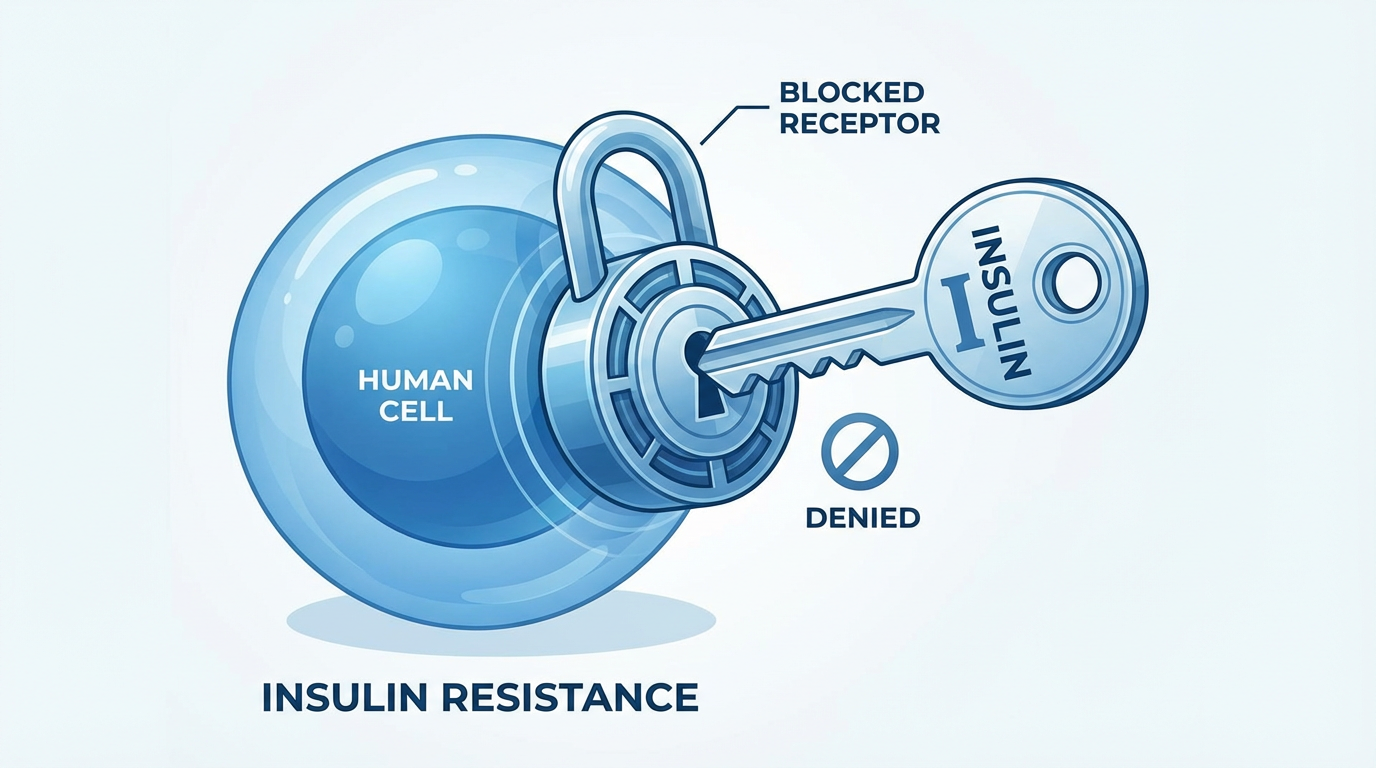
What Is Insulin Resistance and Why Does It Matter for Diabetes?
Tags:
Category: Insulin Resistance
 Urdu
Urdu  English