For decades, low-dose aspirin was routinely recommended for people with diabetes as a cardiovascular preventive measure. Recent large-scale trials have fundamentally changed this approach. The current evidence suggests that aspirin’s benefits in diabetes are far more limited than previously believed — and its risks more significant. Here is what the latest guidelines actually say. How…

قسم: اینڈو کرینولوجی
Love Your Heart: The Essential Cardiovascular Health Check Checklist for Diabetes
February is Heart Health Month — the perfect time to take stock of your cardiovascular health. For people with diabetes, proactive cardiovascular screening is not optional; it is a clinical necessity. This checklist covers everything you should be monitoring and discussing with your healthcare team to protect your heart. Your Annual Cardiovascular Health Checklist Test…
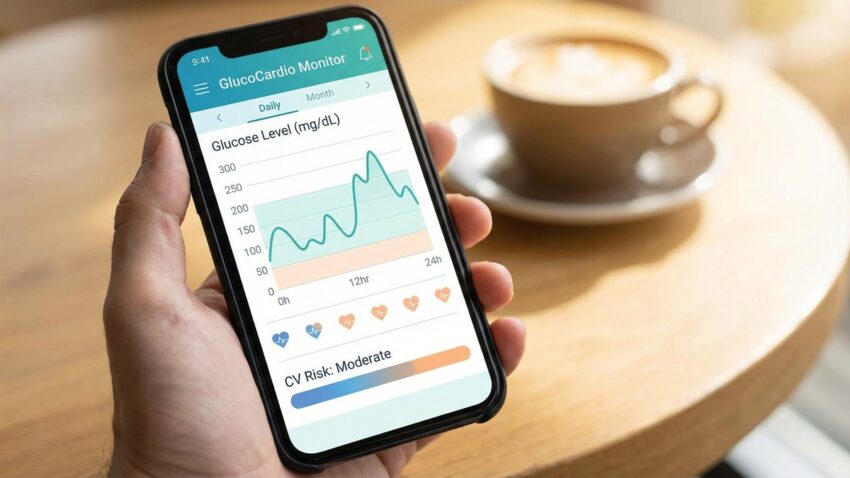
How CGM Data Can Reveal Your Cardiovascular Risk
Continuous glucose monitoring (CGM) has transformed diabetes management by providing real-time glucose data that finger-prick testing cannot match. Beyond its immediate utility for dosing decisions, emerging research suggests that CGM-derived metrics — particularly glucose variability — may be powerful predictors of cardiovascular risk, offering insights that HbA1c alone cannot provide. Beyond HbA1c: Why Glucose Variability…
Stress and Blood Sugar: Understanding the Cortisol Connection
Stress is not just a psychological experience — it has direct, measurable effects on blood glucose. For people with diabetes, chronic psychological stress can undermine even the most diligent management efforts, causing unexplained glucose spikes and making targets harder to achieve. Understanding the cortisol connection is essential for comprehensive diabetes care. How Stress Raises Blood…
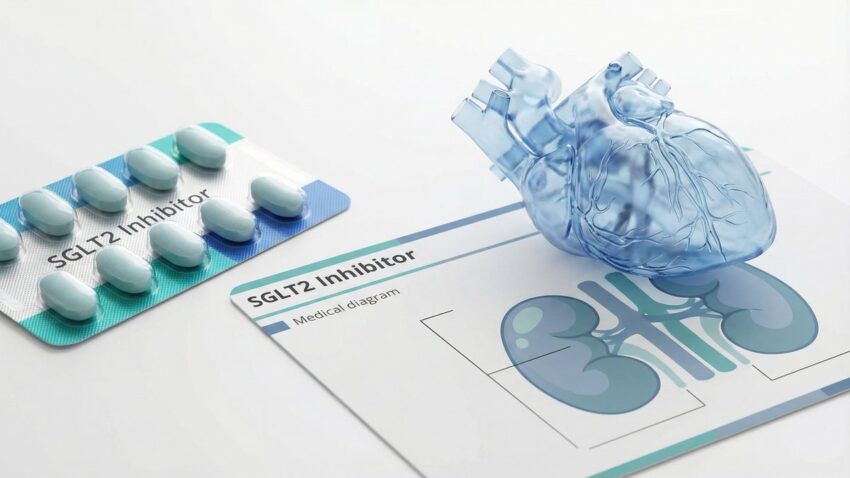
SGLT2 Inhibitors: Heart and Kidney Protection Beyond Blood Sugar
SGLT2 inhibitors represent one of the most transformative developments in diabetes medicine in the past decade. Originally approved as glucose-lowering agents, these medications have since demonstrated remarkable protective effects on the heart and kidneys — benefits so significant that they are now recommended for people with heart failure and chronic kidney disease even in the…
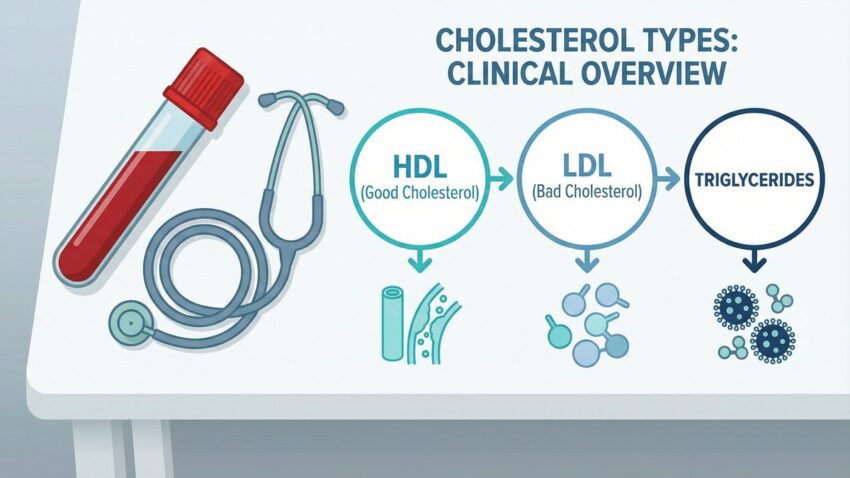
Cholesterol and Diabetes: Your Complete Guide to Diabetic Dyslipidaemia
Diabetes profoundly disrupts cholesterol metabolism in ways not always reflected in a standard cholesterol test. Even when total cholesterol appears normal, people with diabetes often have a particularly dangerous lipid profile — one that significantly accelerates cardiovascular disease. Understanding “diabetic dyslipidaemia” is essential for protecting your heart. What Is Diabetic Dyslipidaemia? Diabetic dyslipidaemia is characterised…
Blood Pressure Management with Diabetes: Your Complete Guide
High blood pressure and diabetes are a particularly dangerous combination. Together, they accelerate damage to blood vessels, kidneys, eyes, and nerves at a rate far greater than either condition alone. Yet hypertension produces no symptoms until serious damage has already occurred — making regular monitoring and proactive management essential. How Common Is Hypertension in Diabetes?…
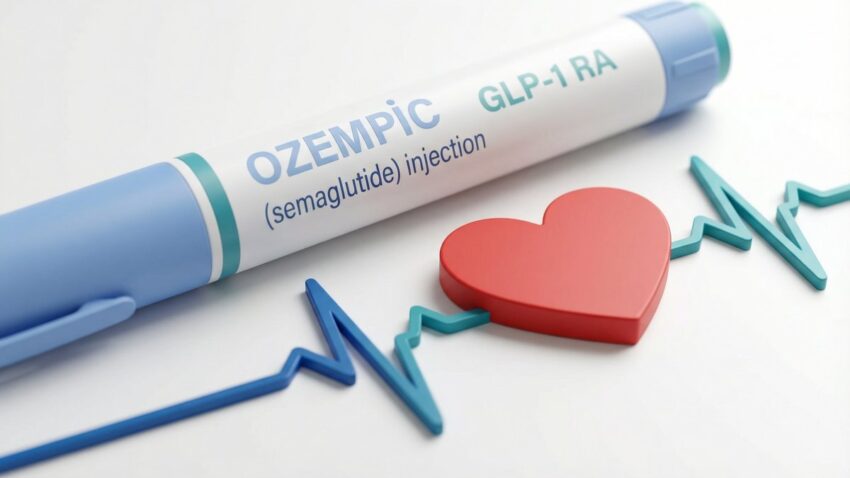
GLP-1 Medications and Heart Protection: What the Evidence Shows
GLP-1 receptor agonists were originally developed to lower blood sugar. What researchers discovered in subsequent cardiovascular outcome trials was something far more significant: these medications actively protect the heart, reduce the risk of stroke, and lower cardiovascular mortality — benefits that extend well beyond glucose control. The Landmark Cardiovascular Outcome Trials Trial Drug Key Finding…
Diabetes and Heart Disease: Understanding Your Risk
People with diabetes face a cardiovascular risk two to four times higher than the general population. Heart disease remains the leading cause of death among those living with both type 1 and type 2 diabetes — yet the majority of these events are preventable with the right knowledge and consistent management. Why Diabetes and Heart…
Muscle Loss on GLP-1 Medications: How to Preserve Lean Mass
GLP-1 receptor agonists produce impressive weight loss, but a significant proportion of that weight can come from muscle rather than fat. Understanding how to minimise muscle loss while on these medications is essential for long-term metabolic health and functional capacity. The Muscle Loss Problem Clinical trials show that approximately 25–40% of weight lost on GLP-1…