Walking is the most accessible, evidence-based exercise for people with diabetes. It requires no equipment, no gym membership, and no special fitness level. Yet its cardiovascular and metabolic benefits are profound: regular brisk walking reduces HbA1c, lowers blood pressure, improves cholesterol, aids weight management, and reduces the risk of major cardiovascular events by up to…

قسم: ذیابیطس 2 ٹائپ کریں
Diabetes and Intimacy: The Honest Conversation Nobody Has
Sexual health is an integral component of overall wellbeing, yet it remains one of the most under-discussed topics in diabetes care. Both men and women with diabetes experience a significantly higher prevalence of sexual dysfunction than the general population — a consequence of the vascular, neurological, and psychological effects of the condition. Breaking the silence…
Love Your Heart: The Essential Cardiovascular Health Check Checklist for Diabetes
February is Heart Health Month — the perfect time to take stock of your cardiovascular health. For people with diabetes, proactive cardiovascular screening is not optional; it is a clinical necessity. This checklist covers everything you should be monitoring and discussing with your healthcare team to protect your heart. Your Annual Cardiovascular Health Checklist Test…
How CGM Data Can Reveal Your Cardiovascular Risk
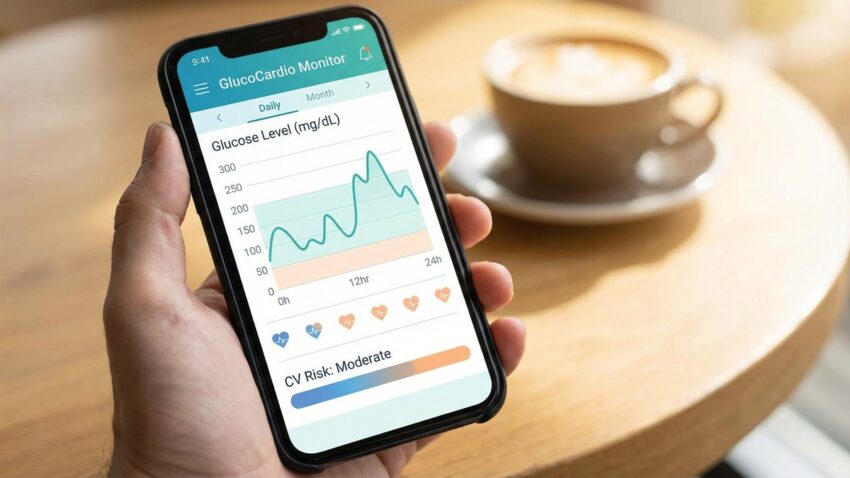
Continuous glucose monitoring (CGM) has transformed diabetes management by providing real-time glucose data that finger-prick testing cannot match. Beyond its immediate utility for dosing decisions, emerging research suggests that CGM-derived metrics — particularly glucose variability — may be powerful predictors of cardiovascular risk, offering insights that HbA1c alone cannot provide. Beyond HbA1c: Why Glucose Variability…
Alcohol and Heart Health with Diabetes: What You Need to Know
Alcohol and diabetes have a complicated relationship. Moderate consumption may offer some cardiovascular benefits, yet alcohol can cause dangerous hypoglycaemia, interact with diabetes medications, and contribute to weight gain and elevated triglycerides. Understanding the risks and making informed choices is essential for anyone managing diabetes who chooses to drink. How Alcohol Affects Blood Glucose The…
Heart-Healthy Snacks for Diabetes: 15 Options That Protect Your Blood Sugar and Heart
Snacking with diabetes requires a dual focus: keeping blood glucose stable while also protecting cardiovascular health. The good news is that the snacks best suited to blood sugar management — those high in protein, healthy fats, and fibre — are also the ones with the strongest evidence for cardiovascular protection. What Makes a Snack Heart-Healthy…
Stress and Blood Sugar: Understanding the Cortisol Connection
Stress is not just a psychological experience — it has direct, measurable effects on blood glucose. For people with diabetes, chronic psychological stress can undermine even the most diligent management efforts, causing unexplained glucose spikes and making targets harder to achieve. Understanding the cortisol connection is essential for comprehensive diabetes care. How Stress Raises Blood…
SGLT2 Inhibitors: Heart and Kidney Protection Beyond Blood Sugar
SGLT2 inhibitors represent one of the most transformative developments in diabetes medicine in the past decade. Originally approved as glucose-lowering agents, these medications have since demonstrated remarkable protective effects on the heart and kidneys — benefits so significant that they are now recommended for people with heart failure and chronic kidney disease even in the…
Supporting a Partner with Diabetes: A Practical Guide for Loved Ones
Living with diabetes affects not just the individual, but everyone close to them. Partners, spouses, and family members often become informal caregivers — monitoring symptoms, adjusting plans around meals and medication, and providing emotional support through the inevitable frustrations of chronic disease management. Knowing how to help effectively, without overstepping, is one of the most…
Cardio Workouts That Won’t Cause Hypos: A Safe Exercise Guide for Diabetes
Exercise is one of the most powerful tools for managing diabetes and protecting cardiovascular health. Yet for many people with diabetes — particularly those on insulin or sulfonylureas — the fear of hypoglycaemia during or after exercise is a genuine barrier to physical activity. Understanding how different types of exercise affect blood glucose allows you…