
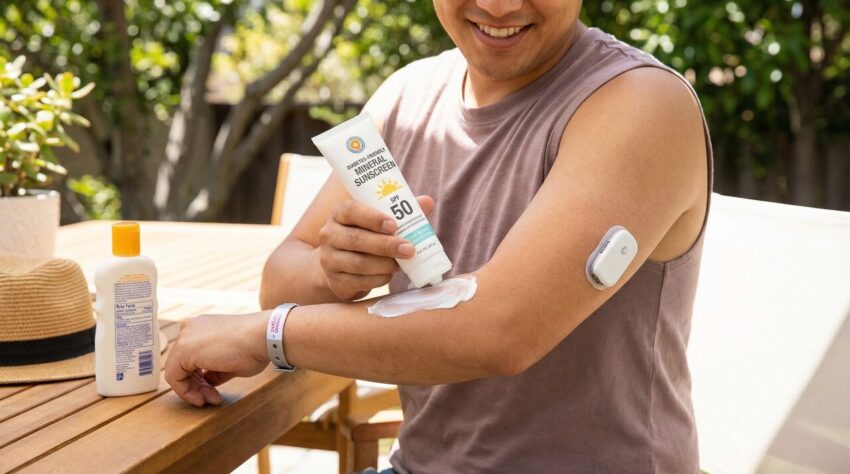
Sunscreen and Diabetes: Protecting Your Skin for Optimal Health
Introduction
Living with diabetes often means paying close attention to various aspects of health, from blood glucose management to cardiovascular well-being. However, one crucial area that sometimes receives less attention is skin health, particularly its protection from the sun. For individuals with diabetes, skin can be more vulnerable to damage, infections, and slower healing, making diligent sun protection not just a cosmetic concern, but a vital component of overall health management. This article delves into the unique considerations for sun protection in people with diabetes, offering evidence-based guidance to help you safeguard your skin and enhance your quality of life.
Why Sun Protection is Crucial for People with Diabetes
Diabetes can impact skin health in several ways, making it more susceptible to the adverse effects of ultraviolet (UV) radiation. Elevated blood glucose levels can impair circulation and nerve function, leading to dry skin, reduced sensation, and a compromised skin barrier. These factors collectively increase the risk of sunburn, delayed wound healing, and a heightened susceptibility to skin infections. Furthermore, certain diabetes medications can increase photosensitivity, making the skin even more vulnerable to sun damage [1].
Understanding UV Radiation and Its Impact
Ultraviolet radiation, primarily UVA and UVB rays, can cause significant damage to skin cells. UVA rays contribute to premature aging and can suppress the immune system, while UVB rays are the primary cause of sunburn and play a significant role in the development of skin cancers. For individuals with diabetes, this damage can be compounded, potentially exacerbating existing skin conditions or leading to new complications. Protecting against both types of UV radiation is therefore paramount.
Choosing the Right Sunscreen
Selecting an appropriate sunscreen is a cornerstone of effective sun protection. Given the unique needs of diabetic skin, careful consideration of sunscreen type and ingredients is essential.
Broad-Spectrum Protection and SPF
Always opt for a broad-spectrum sunscreen that protects against both UVA and UVB rays. The American Academy of Dermatology recommends a sunscreen with an SPF of 30 or higher [2]. An SPF 30 sunscreen blocks approximately 97% of UVB rays, while SPF 50 blocks about 98%. While higher SPF offers slightly more protection, consistent and correct application is more critical than chasing the highest number.
Mineral vs. Chemical Sunscreens
Sunscreen formulations generally fall into two categories: mineral (physical) and chemical.
- Mineral sunscreens contain zinc oxide and titanium dioxide, which create a physical barrier on the skin’s surface to reflect UV rays. These are often preferred for sensitive skin and are generally considered less irritating.
- Chemical sunscreens absorb UV radiation through a chemical reaction. Some chemical filters, such as oxybenzone and homosalate, have raised concerns regarding potential endocrine disruption, which could be particularly relevant for individuals managing metabolic conditions like diabetes [3]. While research is ongoing, many healthcare professionals suggest mineral sunscreens as a potentially safer alternative, especially for those with diabetes or sensitive skin.
“For individuals with diabetes, proactive skin care, including robust sun protection, is not merely a recommendation but a critical strategy to prevent complications and maintain overall well-being.” – Dr. Eleanor Vance, Dermatologist and Diabetes Specialist
Practical Sun Protection Strategies
Beyond sunscreen, a comprehensive approach to sun protection involves several practical strategies.
Regular and Proper Application
Apply sunscreen generously to all exposed skin at least 15-30 minutes before going outdoors. Reapply every two hours, or more frequently if swimming or sweating. Remember often-missed areas like the ears, neck, tops of feet, and scalp (if hair is thinning).
Seek Shade and Limit Peak Sun Exposure
The sun’s UV rays are strongest between 10 AM and 4 PM. Whenever possible, seek shade during these hours. Plan outdoor activities for early morning or late afternoon to minimize exposure to intense UV radiation.
Protective Clothing and Accessories
Wear wide-brimmed hats, UV-protective clothing, and sunglasses that block 99-100% of UVA and UVB rays. Long-sleeved shirts and pants made from tightly woven fabrics can provide an excellent physical barrier against the sun.
Hydration and Skin Care
Maintaining good skin hydration is vital for people with diabetes. Use a gentle, fragrance-free moisturizer daily to keep skin supple and support its barrier function. Hydrated skin is better equipped to withstand environmental stressors, including sun exposure.
Monitoring Your Skin
Regularly inspect your skin for any changes, such as new moles, suspicious lesions, or areas of persistent redness or irritation. Early detection of skin issues is particularly important for individuals with diabetes, as complications can progress rapidly. Consult your healthcare provider or a dermatologist if you notice any concerning changes.
Key Takeaways
- Prioritize Broad-Spectrum SPF 30+: Essential for protecting diabetic skin from both UVA and UVB rays.
- Consider Mineral Sunscreens: Zinc oxide and titanium dioxide formulations may be gentler and avoid potential endocrine disruptors.
- Reapply Frequently: Sunscreen effectiveness diminishes over time, especially with sweating or swimming.
- Seek Shade and Cover Up: Minimize exposure during peak sun hours and use protective clothing.
- Monitor Skin Regularly: Early detection of skin changes is crucial for preventing complications.
نتیجہ اخذ کرنا
Protecting your skin from the sun is an integral part of diabetes management. By understanding the unique vulnerabilities of diabetic skin and adopting comprehensive sun protection strategies, you can significantly reduce the risk of sun-related complications. Remember, consistent effort in sun care contributes not only to healthier skin but also to your overall well-being. Consult with your healthcare provider or a dermatologist to tailor a sun protection plan that best suits your individual needs. Your skin is your body’s largest organ; let’s give it the care it deserves.
References
[1] American Diabetes Association. (n.d.). Skin Complications. Retrieved from https://diabetes.org/health-wellness/skin-complications
[2] American Academy of Dermatology Association. (n.d.). Sunscreen FAQs. Retrieved from https://www.aad.org/public/everyday-care/sun-protection/sunscreen-faqs
[3] Advance ZincTek. (2026, February 2). Chemical Sunscreens and Diabetes: Time for Safer Alternatives. Retrieved from https://www.advancezinctek.com/post/the-interplay-between-chemical-sunscreens-and-diabetes-progression-a-call-for-safer-alternatives
 Urdu
Urdu  English