
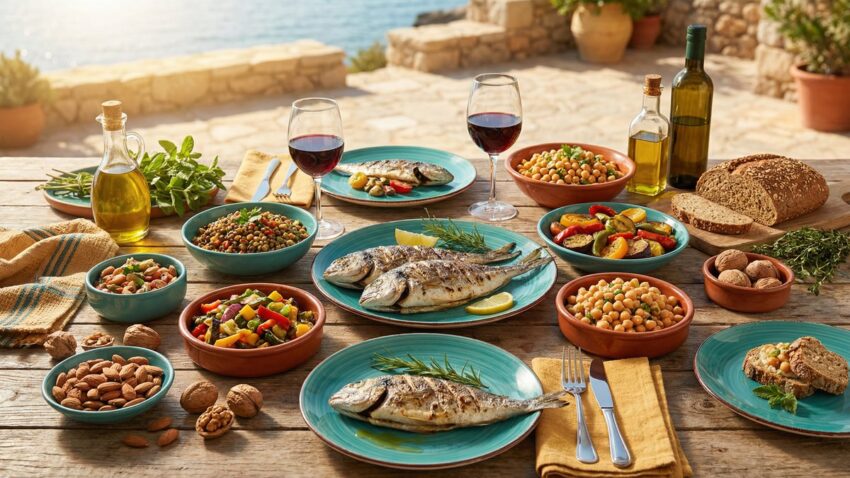
Of all the dietary patterns studied in people with diabetes, the Mediterranean diet consistently emerges as one of the most effective for blood sugar control, cardiovascular protection, and long-term weight management. It is not a restrictive diet — it is a sustainable way of eating that has been followed by millions of people for thousands of years. Here is why it works, and how to adopt it.
What Is the Mediterranean Diet?
The Mediterranean diet is characterised by high consumption of vegetables, legumes, whole grains, fruits, nuts, and olive oil; moderate consumption of fish, poultry, and dairy; and low consumption of red meat and processed foods. Wine is consumed in moderation with meals in the traditional pattern, though this is not a necessary component.
It is not a calorie-counting diet. The focus is on food quality and pattern rather than restriction. This makes it one of the most sustainable dietary approaches for long-term adherence.
The Evidence for Diabetes Management
The evidence base for the Mediterranean diet in diabetes is extensive. The landmark PREDIMED trial (Prevención con Dieta Mediterránea) demonstrated that a Mediterranean diet supplemented with extra-virgin olive oil or nuts reduced major cardiovascular events by approximately 30% compared to a low-fat diet in people at high cardiovascular risk — many of whom had type 2 diabetes.
Multiple meta-analyses have shown that the Mediterranean diet reduces HbA1c by 0.3–0.5%, improves fasting glucose, reduces insulin resistance, lowers LDL cholesterol, raises HDL cholesterol, reduces triglycerides, and promotes modest but sustained weight loss.
Mediterranean Diet vs Other Dietary Approaches
| غذا | HbA1c Reduction | CVD Risk | Sustainability |
|---|---|---|---|
| Mediterranean | 0.3–0.5% | ↓ 30% (PREDIMED) | ⭐⭐⭐⭐⭐ |
| Low-carbohydrate | 0.5–1.0% | Variable | ⭐⭐⭐ |
| DASH | 0.2–0.4% | ↓ BP significantly | ⭐⭐⭐⭐ |
| Plant-based | 0.4–0.7% | ↓ significantly | ⭐⭐⭐ |
Practical Steps to Start Eating Mediterranean
- Replace butter with extra-virgin olive oil for cooking and dressing
- Eat fish at least twice a week — especially oily fish like salmon, sardines, or mackerel
- Make vegetables the centrepiece of every meal, not the side dish
- Snack on nuts and olives instead of crisps or biscuits
- Replace white bread and pasta with wholegrain versions
- Add legumes (lentils, chickpeas, beans) to at least 3 meals per week
- Use herbs and spices generously — they add flavour without salt or sugar
The Mediterranean diet is not a fad — it is the most evidence-based dietary pattern for people with diabetes who want to protect their heart, improve their blood sugar, and eat in a way they can sustain for life. Start with simple swaps: olive oil instead of butter, fish twice a week, more vegetables and legumes, and fewer processed foods. Small changes, consistently applied, produce lasting results.
 Urdu
Urdu  English