
The Unseen Epidemic: Unpacking Global Diabetes Statistics
Diabetes, a chronic condition profoundly affecting how our bodies convert food into energy, has, regrettably, escalated into a global health crisis. Its pervasive impact touches millions, often insidiously, before manifesting in debilitating complications. This article aims to provide an evidence-based overview of global diabetes statistics, current trends, and their far-reaching implications, ultimately offering actionable insights for individuals and communities striving for improved health outcomes.
Global Prevalence: The Current Landscape
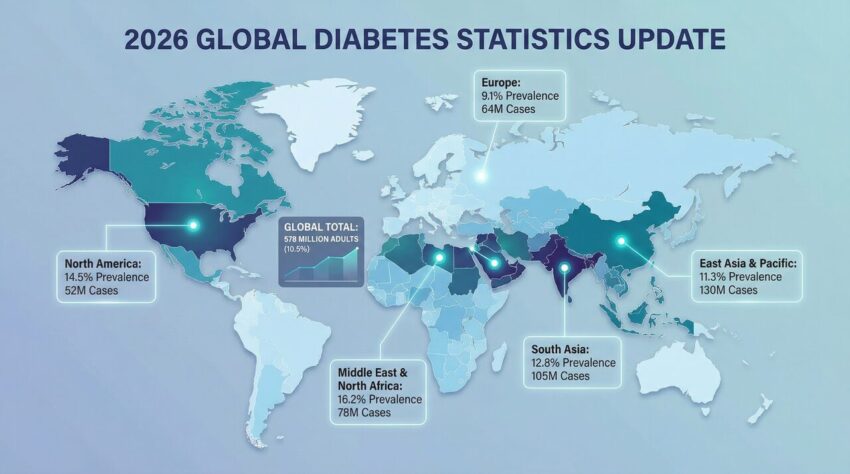
The sheer scale of diabetes worldwide is, frankly, staggering. According to the most recent International Diabetes Federation (IDF) Diabetes Atlas (2025), approximately 589 million adults aged 20–79 years are currently living with diabetes. This translates to a global prevalence rate of 11.1%, meaning roughly 1 in 9 adults globally now contend with this pervasive condition. The World Health Organization (WHO) further corroborates this alarming trend, reporting that the number of people living with diabetes surged from 200 million in 1990 to an estimated 830 million in 2022.
A particularly concerning aspect of this widespread prevalence is the high rate of undiagnosed cases. Indeed, more than 4 in 10 individuals with diabetes remain entirely unaware of their condition, highlighting a critical and persistent gap in screening and early detection efforts. This pervasive lack of awareness, quite naturally, often delays intervention, allowing the disease to progress unchecked, sometimes to severe stages. Furthermore, it is worth noting that the burden of diabetes is not uniformly distributed across the globe. Over 81% of adults living with diabetes reside in low- and middle-income countries, where healthcare resources are frequently limited, thereby exacerbating the already significant challenges of management and prevention.
The Rising Tide: Projections and Trends
The trajectory of diabetes prevalence paints a rather sobering picture for the future. Projections suggest that the total number of people living with diabetes will rise dramatically, reaching an estimated 853 million by 2050. This indicates that nearly 1 in 8 adults will be affected by mid-century, representing a substantial 46% increase from current figures.
The human cost of this burgeoning epidemic is, quite frankly, equally profound. In 2021, diabetes was directly responsible for 1.6 million deaths globally, with a distressing 47% of these fatalities occurring prematurely, before the age of 70. Since 2000, mortality rates attributable to diabetes have shown a consistent upward trend, underscoring the urgent need for more effective prevention and management strategies.
Age, unsurprisingly, plays a significant role in diabetes prevalence. Research published in The Lancet indicates that global diabetes prevalence exceeds 20% in every age group between 65 and 95 years, yet remains below 1% for individuals younger than 20 years. This stark contrast highlights the increasing vulnerability of older populations while simultaneously emphasising the critical importance of early-life interventions to mitigate risk factors.
Driving Factors Behind the Epidemic
The escalating diabetes crisis is, by its very nature, multifaceted, driven by a complex interplay of societal, environmental, and genetic factors. A vast majority—over 90%, in fact—of diabetes cases are ذیابیطس 2 ٹائپ کریں. This particular form of diabetes is largely influenced by lifestyle and environmental determinants, making it, to some extent, preventable.
Key contributors to the relentless rise in Type 2 diabetes include:
- Urbanisation: Rapid global urbanisation often leads to increasingly sedentary lifestyles and, perhaps paradoxically, greater access to processed foods.
- An ageing population: As global life expectancy continues to increase, so too does the proportion of older adults, a demographic inherently more susceptible to diabetes.
- Decreasing levels of physical activity: Modern lifestyles frequently involve less physical exertion, contributing significantly to weight gain and reduced insulin sensitivity.
- Increasing overweight and obesity prevalence: The global obesity epidemic stands as a primary driver of Type 2 diabetes, with excess body fat demonstrably increasing risk.
Beyond these direct factors, broader influences such as socio-economic disparities, ongoing demographic shifts, various environmental exposures, and, of course, genetic predispositions also appear to play significant roles in shaping the global diabetes landscape.
Impact and Implications
The impact of diabetes extends far beyond individual health, imposing a substantial burden on healthcare systems and national economies worldwide. For individuals, diabetes can lead to a cascade of severe complications, including cardiovascular disease, kidney failure, blindness, and limb amputations, profoundly diminishing quality of life. The emotional and psychological toll of managing such a chronic condition is, understandably, also considerable.
From a societal perspective, the rising prevalence of diabetes strains healthcare infrastructure, demanding significant resources for diagnosis, treatment, and long-term care. The economic burden is immense, encompassing direct medical costs, lost productivity due to illness and premature mortality, and indirect costs associated with caregiver support. While specific global health expenditure figures related to diabetes are vast and complex, the IDF Diabetes Atlas consistently highlights the substantial financial strain on nations.
“The global diabetes epidemic is not merely a health challenge; it is a developmental crisis that threatens to undermine decades of progress in global health and economic stability.” – International Diabetes Federation
Empowering Action: What Can Be Done?
Addressing the global diabetes crisis requires a concerted, multi-pronged approach. Prevention remains paramount, particularly for Type 2 diabetes. Promoting healthy lifestyles through balanced nutrition, regular physical activity, and maintaining a healthy weight can significantly reduce risk. Public health campaigns and policy interventions are, therefore, crucial in fostering environments that support these healthier choices.
Early intervention is equally vital. Timely diagnosis and comprehensive, person-centred care for all types of diabetes are absolutely essential to prevent or delay the onset of debilitating complications. This includes, crucially, access to affordable medicines, appropriate technologies, and education for effective self-management.
Global initiatives, such as the WHO’s Global Diabetes Compact, aim to galvanise efforts to halt the rise in diabetes and improve care worldwide. These collaborative frameworks emphasise strengthening healthcare systems, improving access to essential services, and promoting research into new treatments and preventive strategies. The globally agreed target to halt the rise in diabetes and obesity by 2025 underscores the undeniable urgency of these collective actions.
Key Takeaways
- Diabetes is a rapidly growing global health crisis, currently affecting 589 million adults, with projections reaching a staggering 853 million by 2050.
- A significant portion of cases (over 40%) remain undiagnosed, leading to delayed care and, unfortunately, increased complications.
- Type 2 diabetes, primarily driven by lifestyle factors, accounts for over 90% of all cases, with urbanisation, ageing populations, and obesity identified as key contributors.
- The disease imposes a heavy burden on individuals’ health, their quality of life, and, indeed, global healthcare systems and economies.
- Prevention through healthy lifestyles and early diagnosis, coupled with comprehensive care, are critical to mitigating the devastating impact of this epidemic.
نتیجہ اخذ کرنا
Global diabetes statistics present a clear and, frankly, urgent call to action. While the numbers are undoubtedly daunting, we believe they are not insurmountable. Through sustained commitment to prevention, early diagnosis, and equitable access to care, we can collectively alter the trajectory of this epidemic. We encourage everyone to consult their healthcare provider for personalised advice, engage in preventive health practices, and support initiatives that promote diabetes awareness and research. Together, we can, and must, foster a healthier future for all.
 Urdu
Urdu  English