
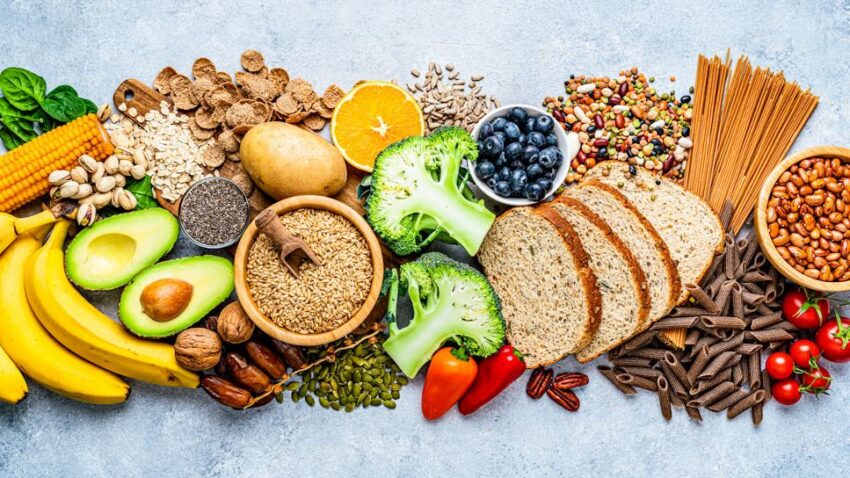
The Unsung Hero in Your Diet: How Fiber Fights Insulin Resistance
When it comes to managing blood sugar and improving insulin sensitivity, we often hear about cutting carbs and sugar. But what if one of the most powerful tools in your arsenal is not about restriction, but about adding something back in? Enter dietary fiber, the unsung hero of a diabetes-friendly diet. Emerging research increasingly points to a high-fiber diet as a key strategy in the fight against insulin resistance.
Understanding Insulin Resistance
Insulin resistance is a condition where cells in your muscles, fat, and liver don’t respond well to insulin and can’t easily take up glucose from your blood. As a result, your pancreas has to work overtime to produce more insulin to help glucose enter your cells. Over time, this can lead to prediabetes and eventually type 2 diabetes. But here’s the good news: this process is often reversible, and dietary fiber plays a starring role.
How Fiber Works Its Magic
Dietary fiber, a type of carbohydrate that your body can’t digest, comes in two forms: soluble and insoluble. Both are crucial for health, but they have different mechanisms for improving insulin sensitivity.
Soluble Fiber: The Gel-Forming Powerhouse
Soluble fiber dissolves in water to form a gel-like substance in your digestive tract. This gel slows down the absorption of sugar into your bloodstream, preventing the sharp spikes in blood glucose that can worsen insulin resistance. Think of it as a natural “brake” on sugar absorption. Foods rich in soluble fiber include:
- Oats
- Barley
- Apples
- Citrus fruits
- Carrots
- Beans and lentils
Insoluble Fiber: The “Roughage” that Regulates
Insoluble fiber, often called “roughage,” doesn’t dissolve in water. Instead, it adds bulk to your stool and helps food pass more quickly through your stomach and intestines. While its primary role is in digestive health, studies have shown that a high intake of insoluble fiber, particularly from cereal grains, is associated with improved insulin sensitivity. Foods rich in insoluble fiber include:
- Whole-wheat flour
- Wheat bran
- Nuts and seeds
- Cauliflower
- Green beans
The Science Speaks for Itself
Numerous studies have validated the powerful connection between fiber and insulin sensitivity. Research published in the Journal of Nutrition and the American Journal of Clinical Nutrition has consistently shown that individuals with higher fiber intake have a significantly lower risk of developing type 2 diabetes. One study even found that increasing insoluble dietary fiber for just three days significantly improved whole-body insulin sensitivity.
Practical Tips for Increasing Your Fiber Intake
Aim for at least 25-38 grams of fiber per day, as recommended by the Academy of Nutrition and Dietetics. Here are some simple ways to boost your fiber intake:
- Start your day with a bowl of oatmeal or a high-fiber cereal.
- Choose whole-grain breads, pastas, and brown rice over their refined counterparts.
- Add beans or lentils to your soups, salads, and stews.
- Snack on fruits, vegetables, and a handful of nuts or seeds.
- Leave the skin on your fruits and vegetables when possible.
The Bottom Line
Incorporating more fiber into your diet is a simple yet powerful step you can take to improve your insulin sensitivity and take control of your health. By focusing on whole, unprocessed foods, you’ll naturally increase your fiber intake and reap the many benefits this unsung hero has to offer.
Ready to Take the Next Step?
Explore our collection of delicious, high-fiber recipes and start your journey to better health today!
 Urdu
Urdu  English