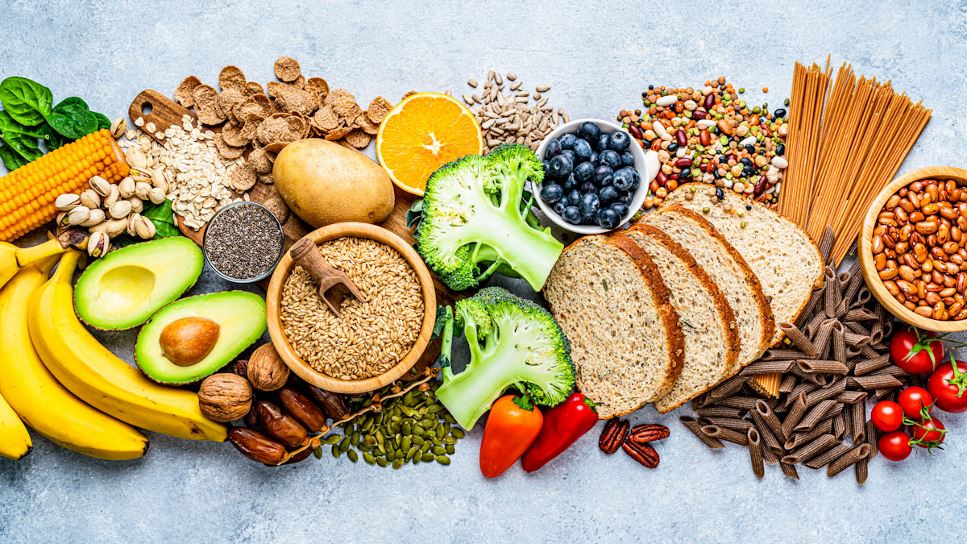
Fiber is a type of carbohydrate the body does not digest in the same way as starch or sugar. For people with diabetes, prediabetes, or insulin resistance, higher fiber eating patterns can support blood sugar management, fullness, bowel health, and cholesterol.
Quick summary
Fiber helps most when it comes from everyday foods: vegetables, beans, lentils, fruit, nuts, seeds, oats, barley, and whole grains. It is not a reason to ignore total carbohydrate or portion size.
Key takeaways
- Fiber can slow digestion and soften glucose rises after some meals.
- High fiber foods often improve fullness, which may help with weight management.
- Increase fiber gradually to reduce gas, bloating, or cramps.
- People with kidney disease, digestive disorders, or swallowing problems may need individualized advice.
How fiber may help insulin resistance
Fiber rich foods often take longer to digest. That slower digestion can reduce sharp glucose rises after meals for some people. Fiber can also support gut health and cholesterol levels, which matters because diabetes and insulin resistance are linked with higher cardiovascular risk.
The benefit is strongest when fiber is part of a larger pattern: balanced meals, regular activity, sleep, weight management when appropriate, and medications if prescribed.
Easy ways to add fiber
- Add beans or lentils to soup, salad, tacos, or rice dishes.
- Choose oats, barley, or whole grain bread more often than refined grains.
- Add chia, flaxseed, nuts, or seeds in measured portions.
- Keep fruit whole instead of choosing juice.
- Fill half the plate with nonstarchy vegetables when possible.
Go slowly
A sudden jump in fiber can cause bloating, gas, cramps, or constipation if fluid intake is low. Add one change at a time and drink fluids unless you have been told to restrict fluid.
If you use insulin, do not assume fiber cancels all carbohydrate. Some high fiber foods still contain substantial carbohydrate, and your glucose response can vary.
Practical takeaway
Aim for a pattern, not a perfect number. Add one fiber rich food to a meal you already eat, then watch how your fullness and glucose respond.
Safety note
Gastroparesis is an important exception to general high-fiber advice: fiber can further slow stomach emptying and worsen symptoms. Your care team may recommend small meals that are lower in fat and fiber. Do not increase fiber on your own if you have this condition. With kidney disease, inflammatory bowel disease, recent bowel surgery, swallowing difficulty or recurrent low glucose, ask your clinician or dietitian for an individual plan.
Related Livingdiabetes guides
Sources
- Fiber: The Carb That Helps You Manage Diabetes, Centers for Disease Control and Prevention. Patient guidance. Accessed May 30, 2026. Source
- Healthy Eating for Diabetes, Centers for Disease Control and Prevention. Patient guidance. Accessed May 30, 2026. Source
- About Insulin Resistance and Type 2 Diabetes, Centers for Disease Control and Prevention. Patient guidance. Accessed May 30, 2026. Source
- Food and Nutrition, American Diabetes Association. Patient guidance. Accessed May 30, 2026. Source
- Healthy Living With Diabetes, National Institute of Diabetes and Digestive and Kidney Diseases. Patient guidance. Accessed May 30, 2026. Source
Safety section updated 11 September 2026. Source: CDC: Digestion and diabetes.