Theme Park Survival Guide for Diabetes: Navigating the Thrills with Confidence
A day at a theme park offers a world of excitement, but for individuals managing diabetes, it also presents a unique set of considerations. The combination of increased physical activity, varied food options, and the sheer thrill of the experience can significantly influence blood glucose levels. However, with careful preparation and a proactive mindset, navigating a theme park with diabetes can be a safe and thoroughly enjoyable adventure. This guide provides evidence-based strategies and practical tips to empower you to manage your diabetes effectively while embracing all the fun and thrills the park has to offer.
Pre-Trip Planning: The Foundation for a Successful Visit
A successful and stress-free theme park visit begins well before you arrive at the gates. Meticulous planning is the cornerstone of effective diabetes management in such a dynamic environment, helping to mitigate potential risks and optimize your experience.
Consultation with Your Healthcare Provider
Before your trip, a discussion with your healthcare provider is essential. You should review your anticipated activity levels—which are often much higher than a typical day—and how they might impact your glycemic control. This is the time to create a flexible medication plan, potentially adjusting insulin doses or oral medication timing to accommodate for increased physical exertion and different meal schedules. It is also wise to establish clear sick-day protocols and an emergency plan tailored to the theme park setting, ensuring you can respond swiftly and effectively to any unforeseen challenges.
Your Essential Diabetes Packing List
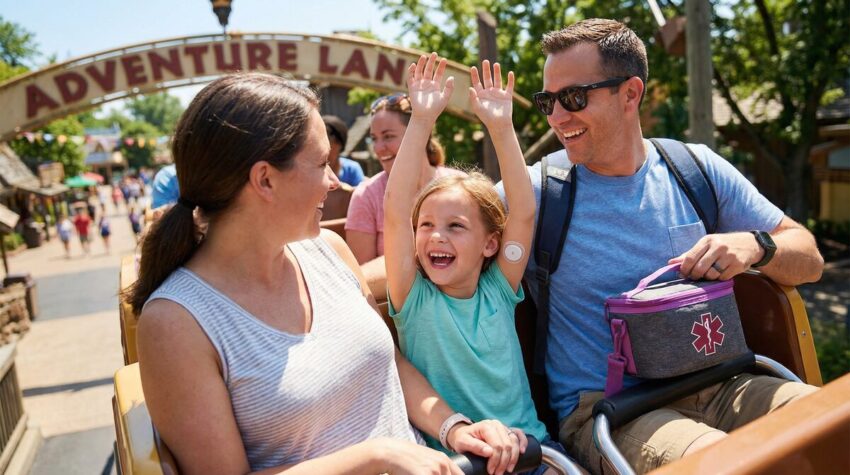
A well-stocked diabetes kit is your most important companion for the day. Ensure you have more than enough supplies for the entire day, plus a contingency reserve. Your kit should include all necessary medications, such as insulin pens or vials and any oral medications. A comprehensive set of monitoring supplies is also critical, including a blood glucose meter, test strips, lancets, and if you use one, a continuous glucose monitor (CGM) with extra sensors and adhesive patches. Don’t forget an ample supply of fast-acting carbohydrates—like glucose tablets, gels, or juice boxes—to treat potential hypoglycemia. Staying hydrated is crucial, so a reusable water bottle is a must. Packing non-perishable, diabetes-friendly snacks such as nuts, protein bars, or cheese sticks can also be a lifesaver. Finally, always wear a medical alert ID and carry a card with your emergency contact information and medication details. A cooling wallet for your insulin, comfortable footwear, and sun protection are also highly recommended.
ℹ️ Understanding Park Policies in Advance
Before you go, take a few minutes to research the theme park’s specific policies on bringing in outside food and drinks for medical reasons. Most parks have accommodations for guests with diabetes. Familiarize yourself with their disability access programs, which can provide valuable assistance, such as reduced wait times. It’s also a great idea to download a park map and locate the first aid stations and restrooms in advance.
Navigating the Park: Strategies for a Smooth Day
Once you’re inside the park, a few key strategies can help you maintain stable blood glucose levels and fully enjoy your day.
Hydration and Heat Management
Theme parks can be hot, and staying hydrated is paramount. Dehydration can concentrate blood glucose, leading to hyperglycemia, and the heat can also increase insulin absorption, raising the risk of hypoglycemia. Make a conscious effort to drink water regularly, even if you don’t feel thirsty. Using a reusable water bottle and taking advantage of refill stations can make this much easier. On particularly hot days, consider beverages with electrolytes to replenish lost minerals.
⚠️ The Critical Role of Hydration
Dehydration poses a significant challenge to glycemic control. In the excitement of a theme park, it’s easy to forget to drink enough fluids, but doing so is critical. Avoid sugary drinks, excessive caffeine, and alcohol, as these can worsen dehydration and complicate blood glucose management. Prioritize water and other non-sugary fluids to stay safe and healthy throughout the day.
Blood Glucose Management Amidst the Excitement
The combination of walking, standing, and the adrenaline rush from rides creates a unique metabolic environment. Frequent blood glucose monitoring is essential to stay on top of any fluctuations. Be prepared to make adjustments to your insulin doses or pump basal rates, as discussed with your healthcare provider. Always have fast-acting carbohydrates within easy reach to promptly treat any unexpected lows. When it comes to food, try to make balanced choices when possible, opting for grilled items or salads. If you indulge in classic park fare, careful carbohydrate counting and post-meal monitoring are key.
Device Considerations on Rides
If you use an insulin pump or CGM, it’s important to consider the impact of rides. Consult your device manufacturer’s guidelines regarding exposure to high speeds, G-forces, or strong magnetic fields. For some high-intensity attractions, you may need to temporarily disconnect your pump. If so, ensure you have a plan to manage your insulin delivery during that time. Using an adhesive overpatch can also help to keep your devices secure throughout the day.
Emergency Preparedness: Being Ready for Anything
Even with the best planning, unexpected situations can occur. Being prepared for emergencies is a crucial part of a safe theme park visit. Ensure your companions know the signs of hypoglycemia and how to help. If you have a glucagon emergency kit, make sure someone with you knows how and when to use it. Keeping your emergency contact information readily available is also a simple but vital step.
✅ Key Takeaway
A memorable and safe theme park adventure with diabetes is entirely achievable with thoughtful planning and proactive self-care. By consulting with your healthcare provider, packing a comprehensive diabetes kit, staying hydrated, and diligently monitoring your blood glucose, you can confidently embrace the excitement of the day. A little preparation goes a long way in ensuring your focus remains on the fun and magic of the park.
 Urdu
Urdu  English