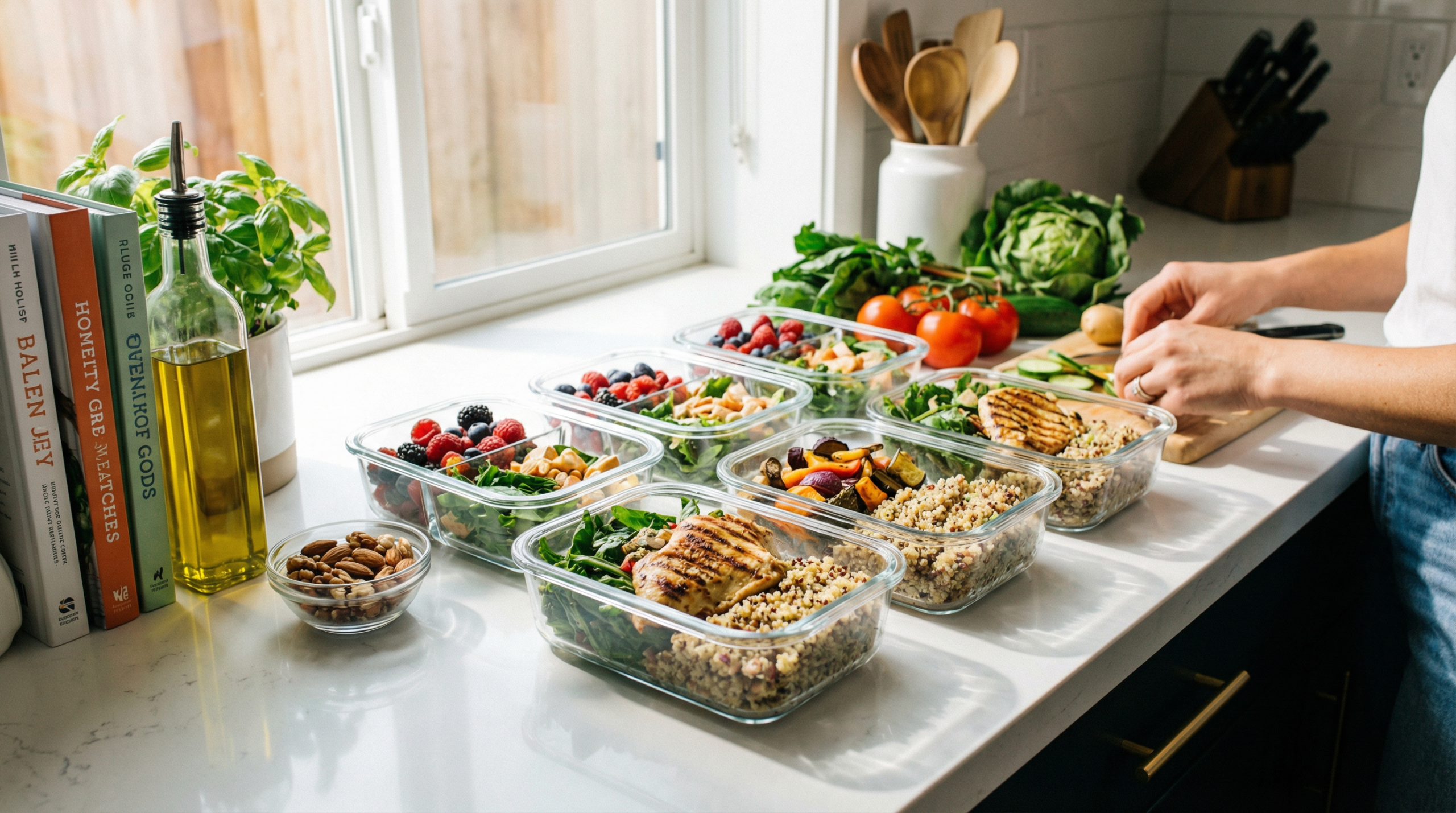
Hummus can be a useful snack because chickpeas provide fiber and plant protein. It still contains carbohydrate, so portion size and what you dip into it matter.
Quick summary
This basil pesto version uses chickpeas, herbs, olive oil, and lemon for flavor. Pair it with vegetables when you want a snack that feels more filling.
Key takeaways
- Chickpeas are nutritious, but they are not carb-free.
- Vegetable dippers can keep the snack lighter.
- Pesto ingredients can add sodium and calories.
- Nut or sesame allergies matter because hummus often contains tahini and pesto may contain nuts.
Ingredients
- Rinsed chickpeas.
- Fresh basil.
- Tahini or plain Greek yogurt.
- Lemon juice.
- Olive oil.
- Garlic.
- Black pepper.
- Optional small amount of parmesan or pine nuts if safe for you.
How to make it
- Blend chickpeas, basil, tahini or yogurt, lemon juice, garlic, and pepper.
- Add olive oil gradually until smooth.
- Add water a spoonful at a time if the dip is too thick.
- Taste before adding salt.
- Serve with cucumber, bell pepper, carrots, or whole-grain crackers if those fit your plan.
Diabetes-friendly serving notes
Measure the dip instead of eating from the bowl.
Use vegetables as the main dipper if crackers raise glucose quickly for you.
Check labels on store-bought pesto for sodium, added oils, and allergens.
If you count carbohydrates, count the hummus and dippers together.
Practical takeaway
A good diabetes snack is not just low sugar. It should be satisfying, portioned, and safe for your own plan.
Safety note
This article is not a substitute for medical care. Avoid ingredients that trigger allergies. If you have kidney disease, sodium restriction, or need precise carb counting for insulin, review portions with your care team.
What to ask your care team
- What snack portion fits my glucose goals?
- Should I count chickpeas as carbohydrate in my plan?
- Which dippers work best with my glucose pattern?
Related reading
Source summary
- Diabetes Plate Method, American Diabetes Association. Patient nutrition guidance. Accessed June 5, 2026. Source
- Diabetes Meal Planning, Centers for Disease Control and Prevention. Patient nutrition guidance. Accessed June 5, 2026. Source
- Healthy Living With Diabetes, National Institute of Diabetes and Digestive and Kidney Diseases. Patient guidance. Accessed June 5, 2026. Source
- MyPlate, U.S. Department of Agriculture. Nutrition guidance. Accessed June 5, 2026. Source