
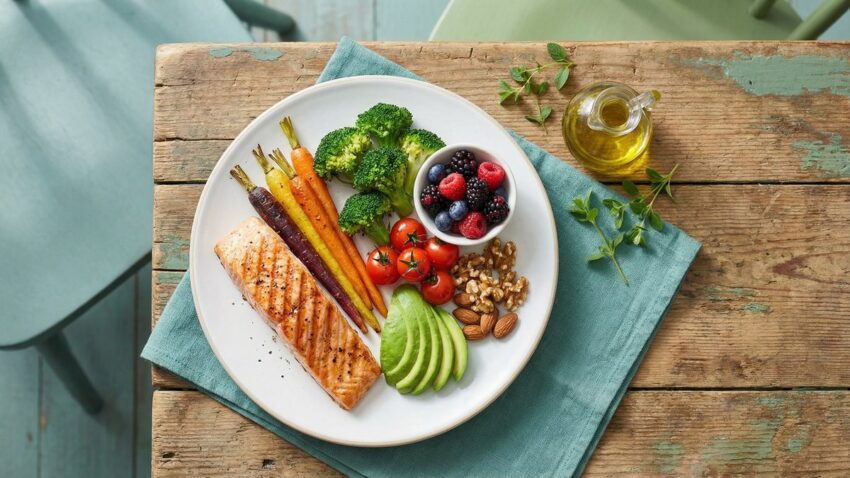
When you have diabetes, every meal is an opportunity to protect both your blood sugar and your heart. The dietary patterns most effective for cardiovascular protection are largely the same ones that improve glucose control — making a heart-healthy diet one of the most powerful tools in your diabetes management arsenal.
The Two Evidence-Based Dietary Patterns
| Feature | Mediterranean Diet | DASH Diet |
|---|---|---|
| Primary fat source | Olive oil | Low-fat dairy, nuts |
| Protein emphasis | Fish, legumes, moderate poultry | Lean meats, fish, legumes |
| Sodium restriction | Moderate | Strict (<2,300 mg/day) |
| Best for | Overall CV risk reduction, HbA1c | Blood pressure reduction |
What to Eat More Of
Fatty fish (2+ servings per week): Salmon, mackerel, sardines, and herring are rich in EPA and DHA omega-3 fatty acids, which reduce triglycerides, lower blood pressure, and reduce inflammation.
Non-starchy vegetables (half your plate): Leafy greens, broccoli, peppers, courgette, and tomatoes are low in carbohydrates, high in fibre, and packed with potassium and antioxidants.
Legumes (3–4 servings per week): Lentils, chickpeas, kidney beans, and black beans are high in soluble fibre, which lowers LDL cholesterol and slows glucose absorption.
Nuts and seeds (a small handful daily): Almonds, walnuts, chia seeds, and flaxseeds provide heart-healthy unsaturated fats, fibre, and magnesium.
Olive oil (as primary cooking fat): Extra-virgin olive oil is rich in oleocanthal, a natural anti-inflammatory compound. The PREDIMED trial demonstrated a 30% reduction in major cardiovascular events with a Mediterranean diet supplemented with extra-virgin olive oil.
- Saturated fats: Red meat, full-fat dairy, butter raise LDL cholesterol
- Trans fats: Found in some processed foods; strongly linked to heart disease
- Refined carbohydrates: White bread, white rice, pastries spike blood glucose
- High-sodium foods: Processed meats, tinned soups raise blood pressure
- Sugary drinks: Soft drinks, fruit juices drive glucose spikes and weight gain
- White rice → Quinoa, barley, or cauliflower rice
- Butter → Extra-virgin olive oil or avocado
- Red meat (daily) → Salmon or lentils (3–4×/week)
- Crisps / biscuits → A small handful of almonds or walnuts
- Sugary drinks → Sparkling water with lemon or herbal tea
A heart-healthy diet for diabetes is not about deprivation — it is about making consistent, informed choices that protect both your blood sugar and your cardiovascular system. Focus on adding more of the right foods rather than simply restricting. Small, sustainable changes accumulate into significant long-term cardiovascular protection.
 English
  Urdu
Urdu