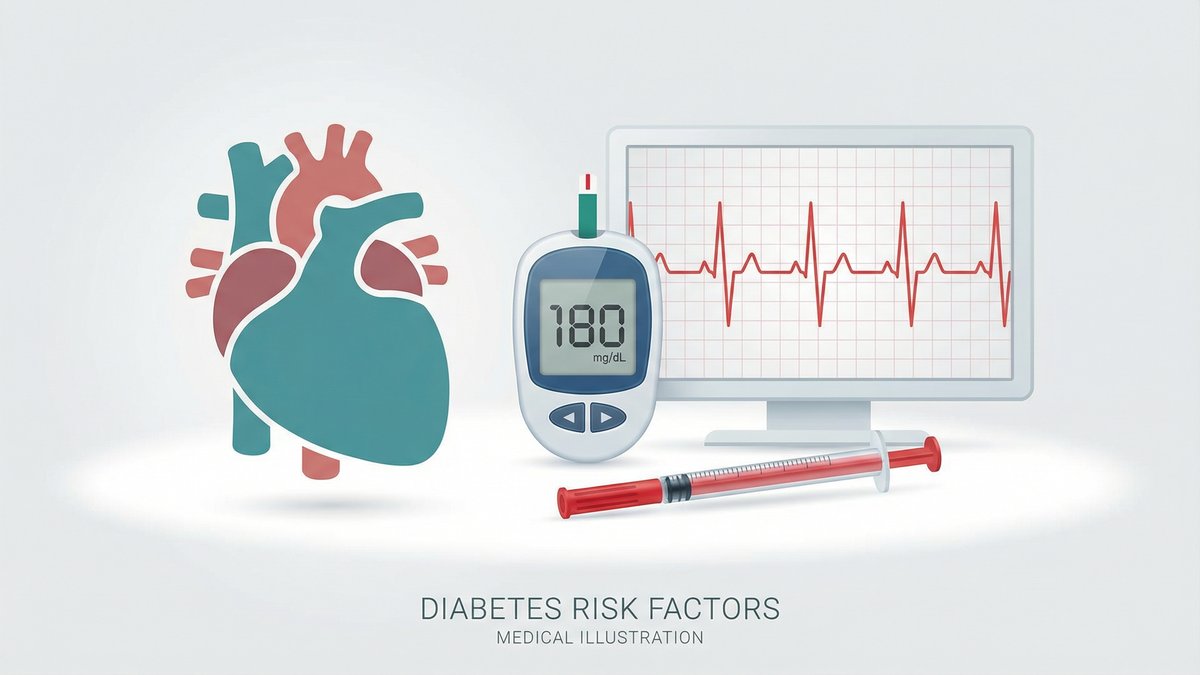
Heart disease is one of the most important long-term risks linked with diabetes. The reason is not just blood sugar. Blood pressure, cholesterol, kidney health, smoking, weight, sleep, physical activity, and family history all shape risk.
Quick summary
The good news is that heart risk is modifiable. A practical diabetes heart plan focuses on the risk factors that can be measured, treated, and followed over time.
Key takeaways
- Diabetes can damage blood vessels and often overlaps with high blood pressure and cholesterol problems.
- Heart risk is not judged by glucose alone.
- Blood pressure, LDL cholesterol, smoking, kidney disease, and albumin in the urine deserve regular review.
- Some medicines used for diabetes, cholesterol, blood pressure, kidney disease, or heart failure can reduce risk for selected people.
Why diabetes affects the heart
High glucose can injure blood vessels over time. Diabetes also commonly travels with insulin resistance, high triglycerides, low HDL cholesterol, high blood pressure, inflammation, kidney disease, and fatty liver disease. These overlapping problems can speed up atherosclerosis and heart failure risk.
This is why heart protection in diabetes is broader than lowering A1c. A strong plan usually includes cholesterol management, blood pressure control, kidney screening, smoking cessation, physical activity, nutrition, and medicines when appropriate.
Numbers worth knowing
- Blood pressure and home blood pressure patterns if advised.
- LDL cholesterol, triglycerides, and non-HDL cholesterol when used by your clinician.
- A1c and glucose patterns, including time in range for people using CGM.
- eGFR and urine albumin-to-creatinine ratio for kidney and vascular risk.
- Smoking status, sleep quality, activity level, and family history.
Symptoms that should not wait
Chest pressure, shortness of breath, fainting, sudden weakness, speech trouble, severe sweating, or pain spreading to the jaw or arm need urgent care. People with diabetes may have less typical heart attack symptoms, so unexplained breathlessness, nausea, or extreme fatigue also matters.
Practical takeaway
Ask for a heart-risk review that includes blood pressure, cholesterol, kidney tests, smoking status, symptoms, and medication options. The strongest plan is usually multi-part.
Safety note
This article is not a substitute for medical care. Seek emergency care for possible heart attack or stroke symptoms. Do not start or stop aspirin, statins, blood pressure medicines, or diabetes medicines without medical guidance.
What to ask your care team
- What does this mean for my diabetes, heart, kidney, medicine, or monitoring plan?
- Which symptoms, readings, or side effects should prompt urgent care?
- Do any tests, prescriptions, follow-up visits, or safety instructions need review?
Related reading
Source summary
- Diabetes and Your Heart, Centers for Disease Control and Prevention. Patient guidance. Accessed June 3, 2026. Source
- Standards of Care in Diabetes 2026, American Diabetes Association. Guideline overview. Accessed June 3, 2026. Source
- Life’s Essential 8, American Heart Association. Heart health guidance. Accessed June 3, 2026. Source
- About Cholesterol, Centers for Disease Control and Prevention. Public health guidance. Accessed June 3, 2026. Source