Diabetes raises heart and stroke risk, and cholesterol numbers are part of that picture. A lipid panel can feel like a list of random abbreviations, but LDL, HDL, triglycerides, and total cholesterol each tell part of the story.
Quick summary
CDC explains that high LDL can lead to plaque buildup and that high triglycerides with low HDL or high LDL can increase heart attack and stroke risk. Diabetes often comes with blood pressure, kidney, weight, smoking, and cholesterol factors that need to be reviewed together.
Key takeaways
- LDL cholesterol is often a major treatment target because high LDL can contribute to plaque in arteries.
- Triglycerides are another blood fat, and high levels can cluster with low HDL and insulin resistance.
- HDL is sometimes called good cholesterol, but raising HDL alone is not the main goal for most people.
- People with diabetes should ask what their personal LDL and overall cardiovascular risk goals are.
What the numbers mean
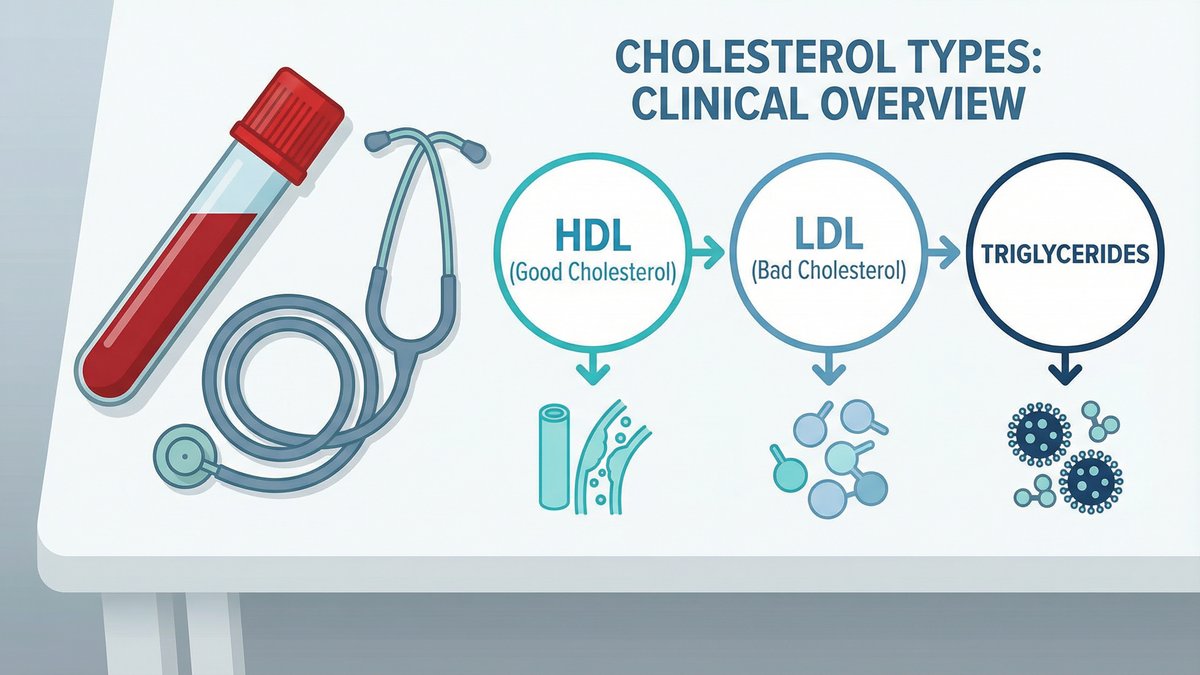
A standard lipid panel usually reports total cholesterol, LDL cholesterol, HDL cholesterol, and triglycerides. CDC describes LDL as the cholesterol type linked with plaque buildup in arteries. HDL helps carry cholesterol away, and higher HDL has been associated with lower risk. Triglycerides are fats used for energy, but high triglycerides can be part of a higher-risk pattern, especially with diabetes, obesity, alcohol use, kidney disease, hypothyroidism, or certain medicines.
Why diabetes changes the conversation
Diabetes can damage blood vessels and often overlaps with high blood pressure, kidney disease, smoking, weight changes, and inflammation. CDC says having both high blood pressure and diabetes can greatly increase heart disease risk. That is why cholesterol treatment is not based only on one lab number. Clinicians usually consider age, diabetes type and duration, blood pressure, kidney disease, smoking, family history, prior heart disease, and medication tolerance.
Lifestyle and medicine both matter
Food pattern, physical activity, weight, sleep, smoking cessation, alcohol intake, and glucose management can all influence lipid patterns. Some people still need medicine because their baseline risk is high or because LDL remains above goal. Statins are commonly used for cardiovascular risk reduction in many adults with diabetes, but the right choice and intensity depend on the person’s full risk profile, side effects, pregnancy plans, liver history, and other medicines.
How to use the lipid panel
Do not treat the lipid panel as a pass or fail report. Use it as a discussion tool. Ask what changed since the last test, whether triglycerides were fasting or nonfasting, whether secondary causes should be checked, and what goal matters most. If a number is very high, if LDL remains high despite treatment, or if there is early heart disease in the family, ask whether inherited cholesterol problems should be considered.
What to ask your care team
- What are my LDL, HDL, triglycerides, and non-HDL cholesterol numbers, and which number matters most for my risk?
- Do I need a statin or another cholesterol medicine, and what benefits and side effects should I understand?
- Could thyroid disease, kidney disease, alcohol, medicines, or recent illness be affecting my triglycerides?
- How often should I repeat my lipid panel after a diet, medicine, or weight change?
Practical takeaway
With diabetes, cholesterol care works best when LDL, triglycerides, blood pressure, kidney health, smoking, glucose, and family history are reviewed together.
Safety note
Seek urgent care for chest pain, pressure, pain spreading to the arm or jaw, severe shortness of breath, stroke symptoms, fainting, or sudden severe weakness. Call your clinician promptly for severe unexplained muscle pain, dark urine, or symptoms after starting a new cholesterol medicine. This information is general education and is not a substitute for medical care.
Source summary
- CDC: About cholesterol. Explains LDL, HDL, triglycerides, total cholesterol, and risk factors. Source
- CDC: Diabetes and your heart. Explains heart disease risk factors in diabetes, including blood pressure and lipid patterns. Source
- NIDDK: Diabetes, heart disease, and stroke. Patient information on cardiovascular risk and prevention in diabetes. Source
- NHLBI: Blood cholesterol. NIH overview of cholesterol types, plaque, testing, lifestyle, and medicines. Source