Best Diabetes Apps of 2025: Tools for Better Management
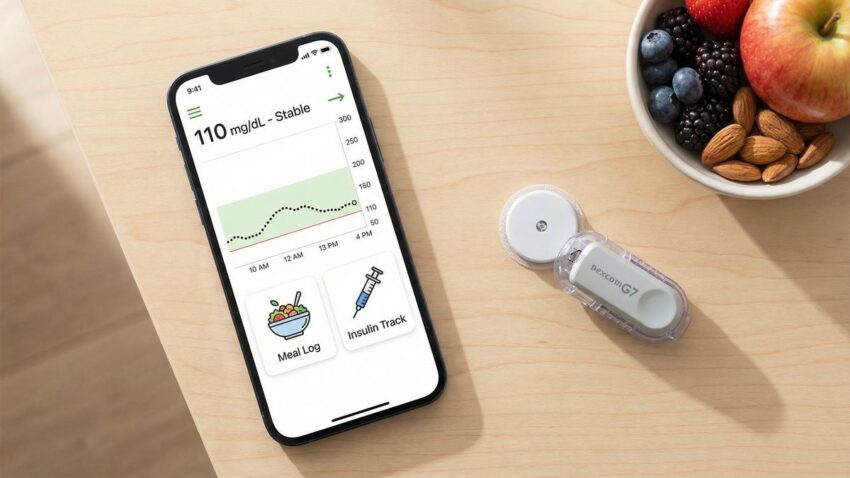
Living with diabetes in 2025 has become significantly more manageable thanks to innovative digital tools that fit in your pocket. Today’s diabetes apps offer unprecedented features—from AI-powered glucose prediction to personalized nutrition coaching and seamless device integration. This comprehensive guide explores the most effective diabetes management apps of 2025, helping you find the right digital companion for your health journey.
The landscape of diabetes management has transformed dramatically in recent years. What once required manual logs, frequent doctor visits, and guesswork has evolved into sophisticated digital ecosystems that provide real-time insights and personalized guidance. The best diabetes apps of 2025 combine cutting-edge technology with user-friendly interfaces to make daily management simpler and more effective.
Why Diabetes Apps Matter in 2025
Modern diabetes apps have become essential tools rather than optional conveniences. With features that go far beyond basic glucose logging, these applications now serve as comprehensive health platforms that can significantly improve outcomes for people with both Type 1 and Type 2 diabetes.
The latest generation of apps leverages artificial intelligence, machine learning, and connectivity with wearable devices to provide predictive insights, personalized recommendations, and even early warning signs of potential complications. Studies have shown that consistent use of comprehensive diabetes management apps can lead to improved HbA1c levels, fewer hypoglycemic events, and better overall quality of life.
ℹ️ Did You Know?
According to the 2025 Digital Health Impact Report, people who consistently use diabetes management apps experience an average 0.8% reduction in HbA1c levels over six months compared to non-app users. This improvement is comparable to the effect of adding certain medications to a treatment regimen.
Top All-in-One Diabetes Management Apps
1. GlucoBuddy Pro
GlucoBuddy Pro has established itself as the gold standard for comprehensive diabetes management. The 2025 version introduces groundbreaking features including predictive glucose trending that can forecast levels up to 4 hours in advance with remarkable accuracy.
What sets GlucoBuddy Pro apart is its integration capabilities—the app connects seamlessly with over 95% of CGMs, insulin pumps, and smart insulin pens on the market. Its AI-powered insights engine analyzes patterns to identify potential triggers for glucose fluctuations, while the redesigned food database now contains over 2 million items with precise nutritional information.
The community support feature has been expanded to include virtual support groups and certified diabetes educator access through in-app video consultations. Premium subscribers gain access to personalized coaching and priority telehealth appointments.
2. DiabetesSense
DiabetesSense has made significant strides in 2025 with its focus on holistic health management. The app’s standout feature is its comprehensive health integration that pulls data from sleep trackers, stress monitors, activity trackers, and nutrition apps to provide a complete picture of how lifestyle factors affect glucose levels.
The app’s “Lifestyle Impact Score” uses machine learning to quantify how specific behaviors influence your glucose management, making abstract concepts like “stress affects blood sugar” concrete and actionable. DiabetesSense also excels in medication management, with smart reminders that adapt to your schedule and verify administration through various confirmation methods.
The latest version includes an impressive “What If” simulator that allows users to visualize potential impacts of dietary choices or exercise plans before making them.
3. MetaboTrack
MetaboTrack has emerged as a frontrunner for those who want deep metabolic insights. The app specializes in identifying personal glycemic responses to specific foods and activities, essentially creating a personalized metabolic profile for each user.
Its innovative “Time in Range Optimizer” suggests micro-adjustments to daily routines that can significantly improve time in target glucose range. The app also features advanced pattern recognition that can identify subtle correlations between behaviors and outcomes that might otherwise go unnoticed.
MetaboTrack’s 2025 update introduces environmental factor tracking, which accounts for how variables like temperature, altitude, and air quality might be affecting your diabetes management—a feature particularly valuable for travelers and outdoor enthusiasts.
| App Name | Best For | Standout Features | Price |
|---|---|---|---|
| GlucoBuddy Pro | All-around management | Predictive glucose, device integration | Free / $8.99/mo premium |
| DiabetesSense | Holistic health approach | Lifestyle Impact Score, What-If simulator | $5.99/mo |
| MetaboTrack | Data enthusiasts | Personalized metabolic profile, environmental tracking | $7.99/mo |
Specialized Diabetes Apps
Nutrition-Focused: NutriSense Diabetes
For those who find food management the most challenging aspect of diabetes, NutriSense Diabetes offers specialized features beyond what general apps provide. The app’s AI-powered food recognition can identify meals from photos with 95% accuracy, providing instant nutritional analysis.
Its meal planning feature generates personalized recommendations based on your glucose response history, dietary preferences, and nutritional needs. The app also includes a restaurant menu interpreter that can suggest the best options at thousands of restaurants nationwide.
What truly distinguishes NutriSense is its “Food Effects Timeline” that visualizes exactly how specific meals impact your glucose over time, creating a personalized nutrition science database for your body.
✅ Practical Tip
When trying a new diabetes app, commit to using it consistently for at least three weeks. This gives the app’s AI enough time to learn your patterns and start providing truly personalized insights. Many users give up too early, before experiencing the full benefits that come once the app has gathered sufficient data about your unique responses.
Mental Health Support: MindGlucose
The psychological aspects of diabetes management have gained well-deserved attention, and MindGlucose addresses this critical dimension. This innovative app combines glucose monitoring with mental health support, recognizing the bidirectional relationship between emotional wellbeing and glucose control.
MindGlucose features mood tracking that correlates with glucose data, stress-reduction exercises tailored for diabetes-related challenges, and cognitive behavioral therapy modules specifically designed for diabetes distress. The app can identify patterns between stress levels and glucose fluctuations, helping users understand their emotional glucose triggers.
The community support feature connects users with similar profiles, fostering understanding and reducing the isolation that can accompany diabetes management. For 2025, MindGlucose has added sleep quality analysis that helps users understand how rest affects both mental health and glucose control.
Exercise Companion: FitGlucose
Physical activity presents unique challenges for glucose management, and FitGlucose specializes in making exercise safer and more effective for people with diabetes. The app provides real-time guidance during workouts, with alerts and recommendations based on current glucose levels, trends, and exercise intensity.
FitGlucose’s workout library contains hundreds of diabetes-friendly exercise routines categorized by their typical impact on glucose levels. The app’s predictive algorithm can suggest optimal timing for workouts based on your glucose patterns and medication schedule.
The 2025 version introduces “Glucose-Guided Intensity,” which automatically suggests workout modifications in real-time based on your current glucose status and trend direction, making exercise safer and more effective.
Emerging Trends in Diabetes Apps for 2025
Several exciting developments are shaping the future of diabetes management apps:
Closed-Loop Integration: More apps now offer direct communication with insulin delivery systems, creating semi-automated solutions that reduce management burden.
Social Determinants Awareness: Leading apps have begun incorporating factors like food access, transportation limitations, and financial constraints into their recommendation engines.
Voice-First Interfaces: Natural language processing has advanced to allow comprehensive diabetes management through voice commands alone, improving accessibility.
Gamification Evolution: Beyond simple point systems, apps now offer immersive experiences that make consistent management intrinsically rewarding.
Interoperability: The latest apps can seamlessly share data with electronic health records, allowing for better coordination with healthcare providers.
ℹ️ Did You Know?
The latest generation of diabetes apps can reduce the time spent on daily diabetes management by up to 62% compared to traditional methods, according to a 2024 efficiency study published in the Journal of Digital Health. This translates to approximately 30-45 minutes saved daily for the average person with diabetes.
Choosing the Right Diabetes App for You
With so many options available, selecting the right app can feel overwhelming. Consider these factors when making your decision:
Device Compatibility: Ensure the app works with your existing diabetes devices and other health trackers.
Management Style: Some apps are data-intensive for those who want deep analysis, while others focus on simplicity and ease of use.
Special Needs: Consider apps with specialized features if you have specific challenges like carb counting, exercise management, or emotional support.
Cost Structure: Evaluate free versions, subscription models, and whether your insurance might cover premium features.
Data Privacy: Review the app’s privacy policy to understand how your health data will be used and protected.
✅ Key Takeaway
The best diabetes app is ultimately the one you’ll use consistently. While feature-rich options can provide valuable insights, the most sophisticated app won’t help if it’s too complicated or time-consuming for your lifestyle. Consider starting with a simpler app and graduating to more comprehensive solutions as you become comfortable with digital management. Remember that these tools are meant to complement your relationship with healthcare providers, not replace it. By finding the right digital companion for your diabetes journey, you can gain better control, reduce mental burden, and focus more energy on living well with diabetes.
Disclaimer: The information provided in this article is for educational purposes only and should not replace professional medical advice. Always consult with your healthcare team before making changes to your diabetes management plan.
 Urdu
Urdu  English