
Cinco de Mayo, a celebration rich in Mexican culture, is synonymous with lively festivities and tantalizing cuisine. For those managing diabetes, such occasions can pose dietary challenges. However, with careful planning and informed decisions, one can savor the diverse flavors of Mexican food while maintaining optimal blood sugar levels. This guide outlines strategies for enjoying a diabetes-friendly Cinco de Mayo, based on the latest clinical guidelines and nutritional research.
The Traditional Mexican Diet: A Foundation for Health
The traditional Mexican diet is predominantly plant-based, featuring staples like corn, beans, chili peppers, and a variety of vegetables, which can promote health [1]. Yet, contemporary versions and restaurant dishes often include increased levels of refined carbohydrates, unhealthy fats, and sodium—elements that can be problematic for diabetes management [2]. Familiarizing oneself with the nutritional content of Mexican dishes is essential for making healthier choices.
ℹ️ Key Components of a Diabetes-Friendly Mexican Meal
**Lean Proteins:** Incorporate grilled chicken, fish, lean beef, or plant-based proteins such as beans and lentils to enhance satiety and maintain stable blood glucose levels [3].
**Whole Grains:** Opt for whole-wheat or corn tortillas in moderation, and consider brown rice as a nutrient-dense substitute for white rice.
**Vegetable Abundance:** Load your plate with non-starchy vegetables like bell peppers, onions, zucchini, and leafy greens, which are high in fiber and low in glycemic impact.
**Healthy Fats:** Include avocados, nuts, and seeds to provide beneficial monounsaturated and polyunsaturated fats that support heart health and improve insulin sensitivity [4].
**Portion Control:** Mindful portion sizes, especially for carbohydrate-rich foods like rice, beans, and tortillas, are crucial.
Navigating Popular Cinco de Mayo Dishes
Tacos and Fajitas: Customization for Health
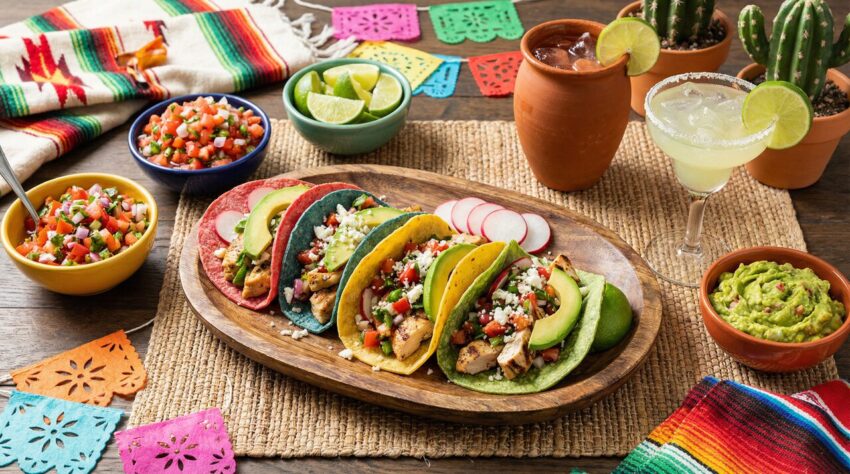
Tacos and fajitas are highly customizable. Choose soft corn tortillas or lettuce wraps instead of fried shells. Fill them with grilled meats or fish, and top with fresh salsa, pico de gallo, and ample vegetables. Use cheese and sour cream sparingly, or select low-fat versions.
Enchiladas and Burritos: Healthier Alternatives
Traditional enchiladas and burritos can be calorie-dense and high in sodium and carbohydrates. Create a healthier version by focusing on lean protein fillings, adding extra vegetables, and using whole-wheat tortillas. Opt for tomato-based sauces over creamy, cheese-laden ones, and consider making smaller, open-faced versions to limit carbohydrate intake.
Guacamole and Salsa: Flavorful Allies
Guacamole, rich in healthy fats and fiber, alongside fresh salsas like pico de gallo and salsa verde, offers low-calorie, nutrient-packed flavor. Enjoy with vegetable sticks or a modest portion of baked tortilla chips.
Beans and Rice: Reimagined Staples
While beans are excellent sources of fiber and protein, they also contain carbohydrates. Choose unsalted, homemade beans or low-sodium canned versions. Brown rice, with its higher fiber content, is preferable to white rice. Practice portion control for both.
Making Smart Beverage Choices
Sugary drinks such as sodas, sweetened aguas frescas, and margaritas can cause significant blood sugar spikes. Opt for water, unsweetened iced tea, or sparkling water with lime. If consuming alcohol, do so moderately and with food, mindful of its effects on blood glucose.
Dessert: Enjoying in Moderation
Mexican desserts are often very sweet. Consider fresh fruit salads, small servings of baked plantains, or sugar-free gelatin. If indulging in a traditional sweet treat, ensure it fits within your daily carbohydrate budget.
Clinical Guidelines and Research Insights
Dietary management is essential in diabetes care, with current guidelines advocating for a balanced diet rich in whole foods, lean proteins, and healthy fats, while controlling carbohydrate intake [5]. Studies suggest that culturally sensitive diabetes self-management education that respects ethnic and cultural food preferences can enhance glycemic control and reduce diabetes-related complications among Mexican Americans [6, 7]. This underscores the importance of tailoring dietary recommendations to cultural contexts.
✅ Practical Tips for a Diabetes-Friendly Cinco de Mayo
* **Plan Ahead:** If attending gatherings, offer to bring a diabetes-friendly dish. When dining out, review menus in advance.
* **Focus on Proteins and Vegetables:** Fill half your plate with non-starchy vegetables, a quarter with lean protein, and a quarter with complex carbohydrates.
* **Stay Hydrated:** Ensure adequate water intake throughout the day.
* **Monitor Blood Glucose:** Regular blood sugar checks can help you understand food impacts.
* **Enjoy Mindfully:** Savor each bite, eat slowly, and listen to hunger and fullness cues.
✅ Key Takeaway
Cinco de Mayo is an opportunity to celebrate culture and enjoy food. By choosing lean proteins, abundant vegetables, moderate whole grains, and healthy fats, while controlling portions and limiting sugary drinks, individuals with diabetes can fully partake in the festivities without compromising health goals. Relish the vibrant flavors of Mexico, responsibly.
 Urdu
Urdu  English