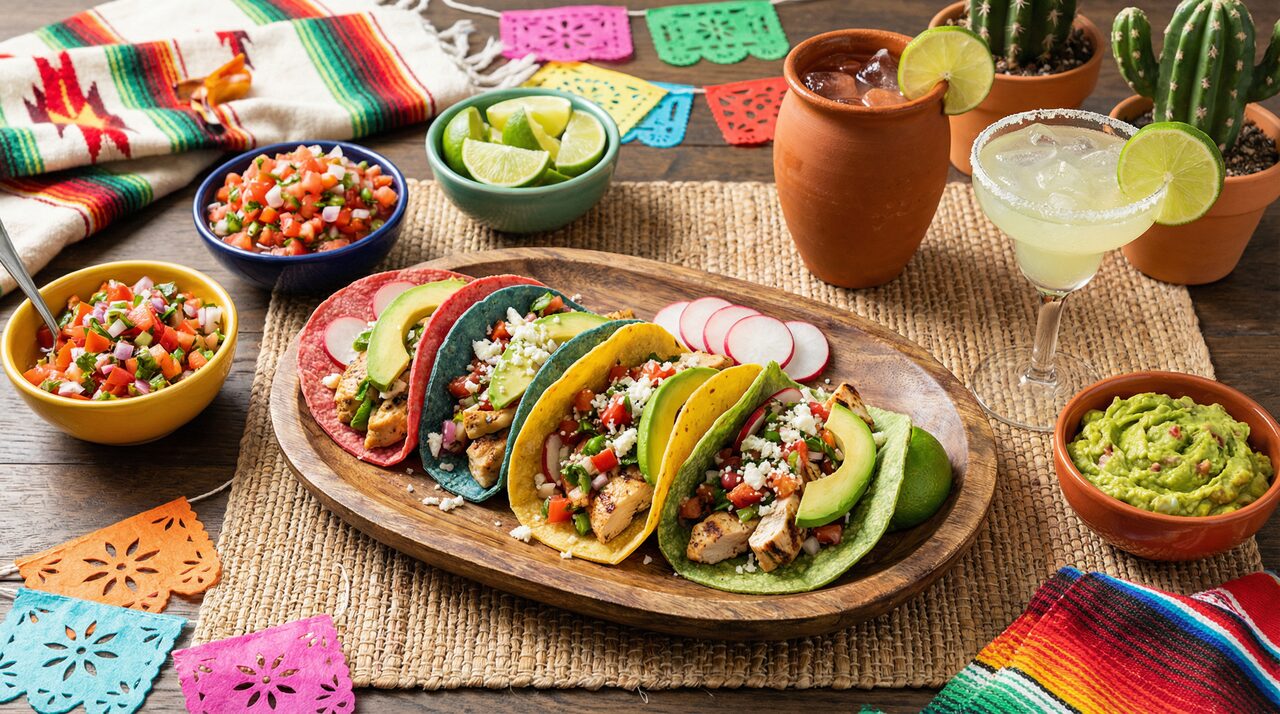
Mexican-inspired food can be vibrant, filling, and flexible. Diabetes does not require removing culture from the plate. It does require knowing where the carbs, sodium, and fats are hiding.
Quick summary
CDC meal-planning guidance supports carb awareness and balanced plates. For Mexican-inspired meals, the biggest glucose decisions often involve tortillas, rice, beans, chips, sweet drinks, desserts, and portion sizes.
Key takeaways
- Beans can provide fiber and protein, but they still count as carbohydrate.
- Tortillas, rice, chips, corn, fruit drinks, and desserts can add up quickly.
- Salsa, cheese, processed meats, chips, and restaurant meals can be high in sodium.
- Kidney disease may change bean, tomato, avocado, protein, sodium, and fluid guidance.
Choose the carb anchor
Instead of tortilla plus rice plus chips plus dessert by default, choose the carb foods that matter most for that meal. Beans, corn tortillas, rice, fruit, and starchy vegetables can fit different plans, but portions should be intentional.
Use flavor wisely
Cilantro, lime, onion, garlic, peppers, cumin, vinegar, and fresh salsa can add flavor without relying only on salt. Watch chips, queso, processed meats, canned sauces, and restaurant portions. AHA’s sodium guidance is relevant for people managing blood pressure and heart risk.
Protein and vegetables help
Grilled fish, chicken, eggs, tofu, beans, or lean meats can support fullness. Add vegetables through fajita peppers, cabbage slaw, pico de gallo, lettuce, zucchini, or grilled vegetables. The goal is a meal that feels generous without letting one carb portion quietly become four.
Alcohol and kidney caveats
If the meal includes alcohol, ask how it fits with your medicines, especially insulin or sulfonylureas. People with kidney disease may need individualized advice about potassium, phosphorus, protein, sodium, and fluids. Do not treat a restaurant meal as proof that the whole plan failed.
What to ask your care team
- Which carb foods do I most want at this meal?
- Do beans, rice, tortillas, or chips need to be counted for my plan?
- Is sodium from restaurant food or packaged sauces affecting my blood pressure?
- Do kidney disease or medicines change what is safest for me?
Practical takeaway
Mexican-inspired meals can fit diabetes care when the carb anchor is chosen on purpose, sodium is watched, and the plate includes satisfying protein and vegetables.
Safety note
Seek urgent care for severe low glucose, confusion, allergic reaction symptoms, repeated vomiting, dehydration, ketones, or high glucose with vomiting, ketones, dehydration, confusion, or trouble breathing. This information is general education and is not a substitute for medical care.
Source summary
- CDC: Diabetes meal planning. Explains the plate method, carb counting, portions, and individualized meal planning. Source
- CDC: Choosing healthy carbs. Explains carbohydrate quality, whole grains, fruit, fiber, and pairing carbs with protein, fat, or fiber. Source
- NIDDK: Healthy living with diabetes. Patient guidance on meals, snacks, activity, medicines, alcohol, sleep, and individualized care. Source
- CDC: Diabetes and kidney disease food. Explains why chronic kidney disease may change sodium, potassium, phosphorus, protein, and fluid advice. Source
- AHA: Sodium and salt. Explains sodium, blood pressure, and ways to reduce sodium in a heart-health pattern. Source
- AHA: Picking healthy proteins. Guidance on healthier protein choices, including fish, seafood, legumes, lean poultry, and plant proteins. Source