Sodium is easy to miss because much of it comes from packaged and restaurant foods, not the salt shaker. For people with diabetes, sodium matters because blood pressure, heart disease, and kidney disease often overlap.
Quick summary
AHA recommends no more than 2,300 mg of sodium per day for most adults and says lowering sodium can help blood pressure. People with kidney disease, heart failure, or specific medical needs may receive different targets.
Key takeaways
- High sodium intake can make blood pressure harder to manage.
- Restaurant meals, canned soups, deli meats, sauces, breads, and seasoning mixes can contain large sodium amounts.
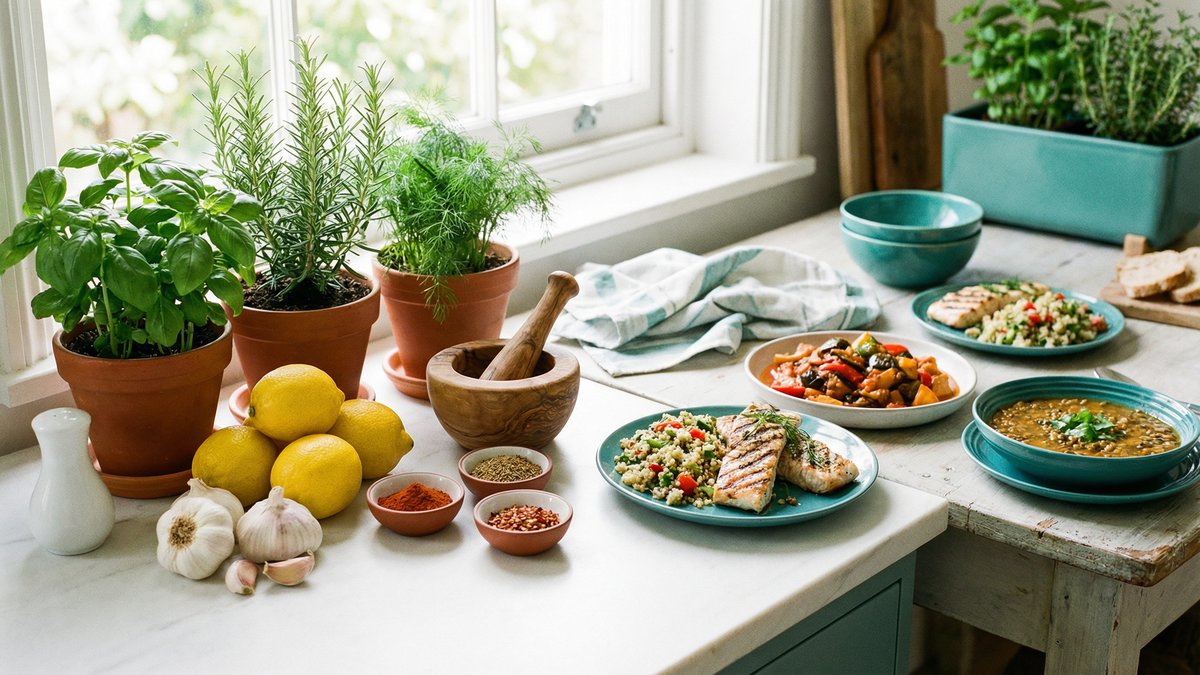
- Flavor can come from herbs, spices, citrus, vinegar, garlic, onion, pepper, and salt-free blends.
- Do not use salt substitutes with potassium unless your clinician says they are safe for your kidneys and medicines.
Why sodium matters
Diabetes raises the importance of heart and kidney protection. Blood pressure control is one part of that protection. AHA explains that cutting sodium can help lower blood pressure, and CDC kidney nutrition guidance notes that packaged and restaurant foods often contain lots of sodium.
Read labels in the right order
Start with serving size. Then check sodium per serving and how many servings you actually eat. A product that looks moderate can become high sodium when the real portion is two or three servings. Also compare brands. Soup, broth, tomato sauce, salad dressing, bread, and frozen meals can vary widely.
Add flavor back
Lower sodium should not mean bland food. Try lemon, lime, vinegar, smoked paprika, cumin, garlic, onion, rosemary, dill, chili, ginger, cinnamon, pepper, or salt-free seasoning. Rinse canned beans or vegetables when appropriate. Choose fresh or frozen foods more often when access and budget allow.
Kidney and medicine caveats
Some salt substitutes use potassium chloride. That can be unsafe for people with kidney disease or people taking certain blood pressure medicines. If you have kidney disease, heart failure, high potassium, or take ACE inhibitors, ARBs, spironolactone, or similar medicines, ask before using potassium-based salt substitutes.
What to ask your care team
- What sodium target is right for my blood pressure, heart, and kidney health?
- Are potassium salt substitutes safe with my kidney function and medicines?
- Which packaged foods in my diet are the biggest sodium sources?
- Would a dietitian help me keep flavor while lowering sodium?
Practical takeaway
Reducing sodium is most effective when it targets packaged and restaurant foods while adding flavor back with herbs, spices, acids, and practical swaps.
Safety note
Seek urgent care for chest pain, severe shortness of breath, confusion, fainting, severe swelling with breathing trouble, or very high blood pressure with severe symptoms. This information is general education and is not a substitute for medical care.
Source summary
- AHA: Shaking the salt habit. AHA guidance on sodium reduction and blood pressure. Source
- AHA: Sodium and salt. Explains sodium intake, heart risk, and common sodium sources. Source
- CDC: Diabetes and kidney disease food. Explains sodium and kidney-related nutrition considerations. Source
- NIDDK: Diabetic kidney disease. Explains diabetes, blood pressure, and kidney protection. Source