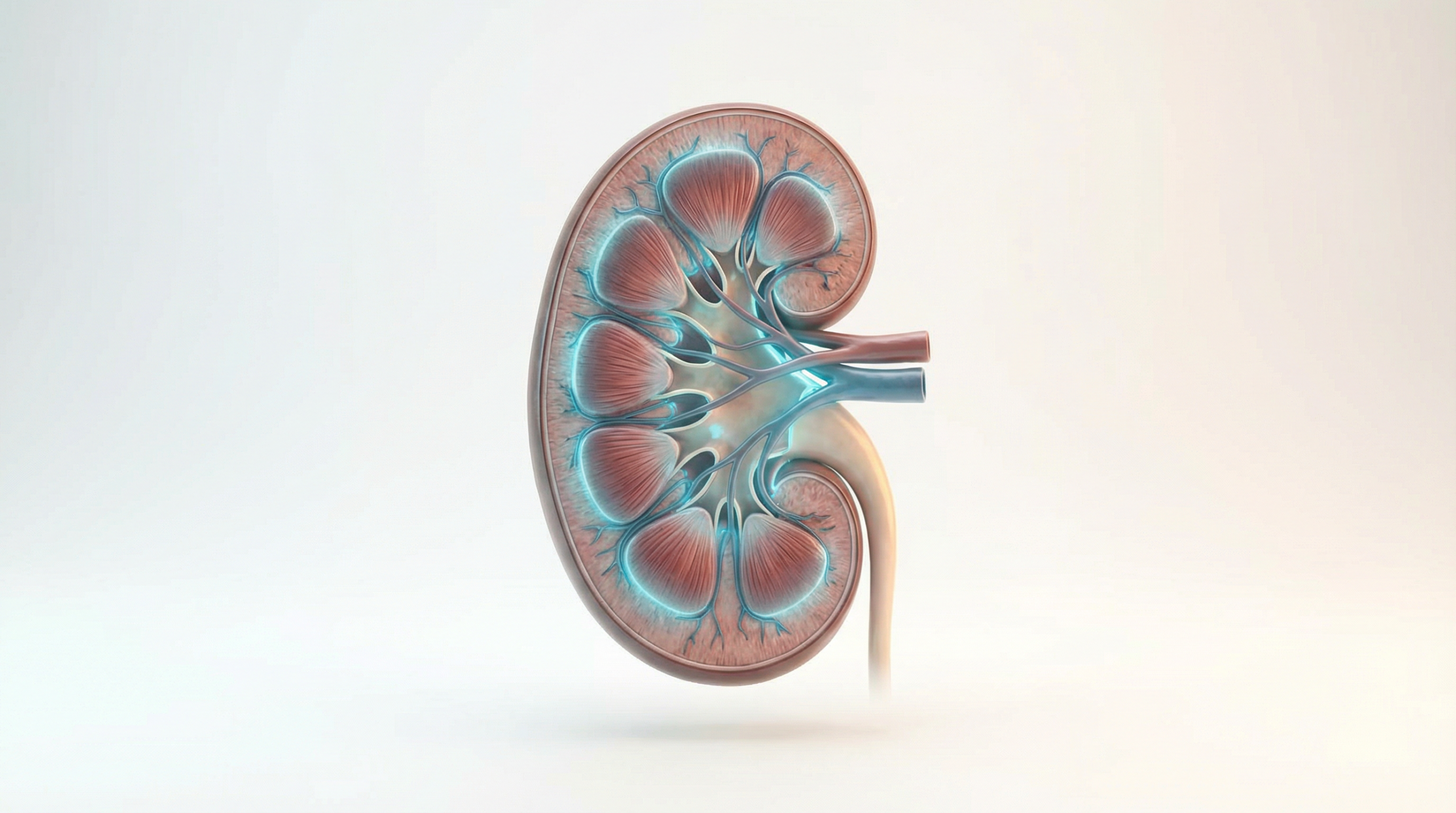
Hydration sounds simple, but diabetes can make it more important and more complicated. High blood sugar can increase urination and thirst, illness can make fluids harder to keep down, heat can raise dehydration risk, and kidney or heart disease may change how much fluid is safe.
Quick summary
Water is usually the safest everyday drink, but hydration advice should be personalized for people with kidney disease, heart failure, dialysis, pregnancy, vomiting, diarrhea, or medicines such as diuretics. The goal is steady habits and a clear sick-day plan, not forcing large amounts of fluid.
Key takeaways
- CDC notes that people with diabetes can dehydrate more quickly in heat, and that high blood sugar can cause more urination.
- NIDDK says diabetes and high blood pressure are major kidney disease risks.
- During illness, CDC advises more frequent glucose checks and drinking water to help prevent dehydration.
- People with kidney disease, heart failure, or fluid restrictions should ask for individualized fluid guidance.
Why hydration matters with diabetes
When glucose is very high, the body may try to remove extra glucose through urine. That can increase fluid loss and make a person more thirsty. Dehydration can then make it harder to think clearly, harder to tolerate heat, and harder to manage sick days. This does not mean water is a treatment for high glucose. It means fluids are one part of a broader plan that may include glucose monitoring, medicines, ketone checks, and medical advice.
Heat, exercise, and daily routines
CDC notes that heat can affect people with diabetes more, partly because dehydration can happen faster and because some complications affect the body’s cooling system. People may need to check glucose more often during heat or activity, protect insulin and devices from heat, and choose water over sugary drinks most of the time. Sports drinks can raise glucose unless they are being used for a specific exercise or low-glucose plan.
Sick days need a written plan
During illness, appetite, fluids, glucose, and medicines can all change. CDC sick-day guidance says a clinician may ask patients to test glucose more often. It also explains that ketones can signal diabetic ketoacidosis, which is serious. A useful sick-day kit may include glucose testing supplies, ketone strips if recommended, medicines, fluids, a thermometer, and contact information for the care team.
Kidney and heart caveats
Hydration advice is not the same for everyone. People with diabetic kidney disease, chronic kidney disease, dialysis, heart failure, swelling, low sodium, or certain blood pressure medicines may be told to limit fluids or monitor weight. For them, drinking more water without guidance can be unsafe. NIDDK recommends regular kidney checks for people with type 2 diabetes and for people with type 1 diabetes after several years, using urine albumin and blood filtering tests.
What to ask your care team
- How much fluid is right for me on ordinary days, hot days, and sick days?
- Do I have kidney disease, heart failure, or medicines that should change my fluid plan?
- When should I check ketones if glucose is high or I am vomiting?
- What symptoms mean I should call, go to urgent care, or go to the emergency room?
Practical takeaway
For most people with diabetes, water is the best everyday drink, but the safest hydration plan depends on glucose patterns, illness, heat, kidney health, heart health, and medicines.
Safety note
Seek urgent care for ketones, trouble breathing, confusion, fainting, inability to keep liquids down, repeated vomiting or diarrhea, severe dehydration, chest pain, or glucose that remains dangerously high or low despite your care plan. This information is general education and is not a substitute for medical care.
Source summary
- NIDDK: Diabetic kidney disease. Explains kidney risks, blood and urine testing, and blood glucose and blood pressure goals. Source
- CDC: Managing sick days. Sick-day guidance covering glucose checks, ketones, hydration, and emergency symptoms. Source
- CDC: Managing diabetes in the heat. Explains dehydration, heat risk, glucose checks, and supply safety in hot weather. Source
- MedlinePlus: Dehydration. General dehydration symptoms, risk groups, and when medical care may be needed. Source