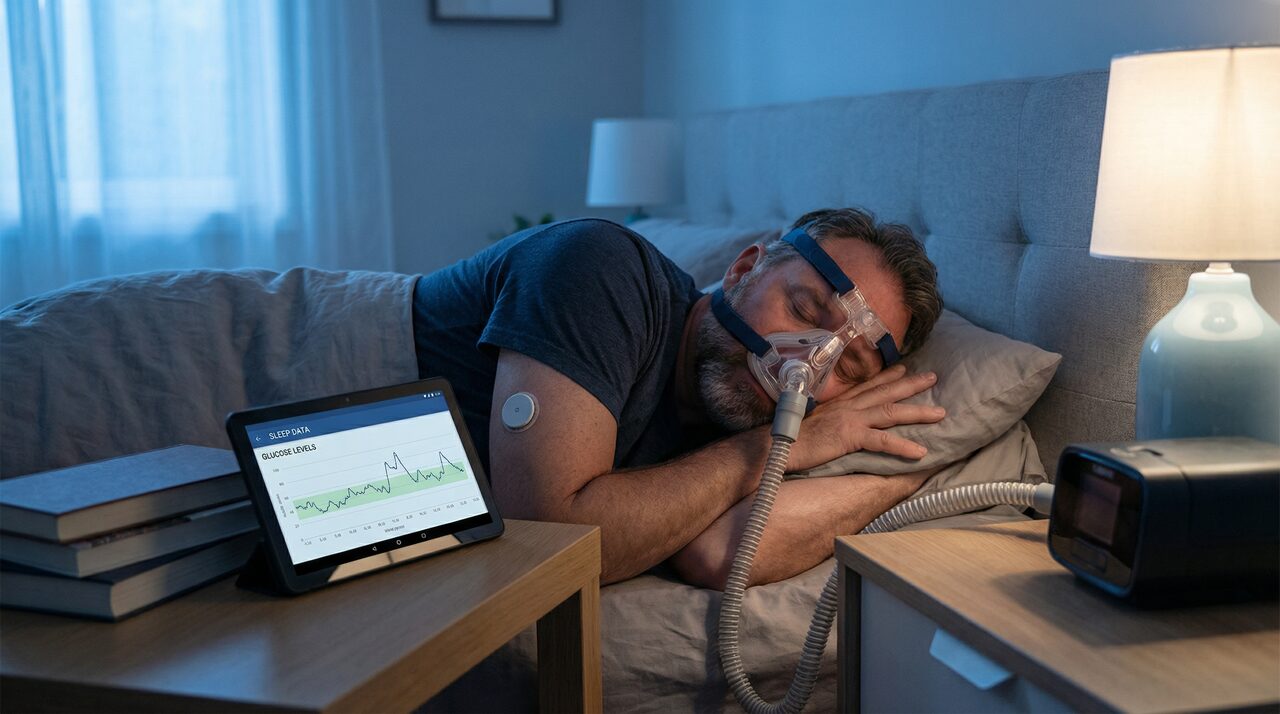
Living with diabetes often means paying close attention to many aspects of your health, and for men, one area that sometimes goes overlooked is sleep. Specifically, a condition called sleep apnea can have a significant, yet often hidden, impact on both your diabetes management and overall well-being. Imagine waking up feeling tired even after a full night’s rest, or your blood sugar levels being harder to control despite your best efforts. These could be signs of sleep apnea, a condition where breathing repeatedly stops and starts during sleep.
Key takeaways
- Bring symptoms such as erectile dysfunction, sleep problems, or fatigue to your clinician. Chest pain or pressure needs urgent care.
- Screening and treatment decisions depend on your age, history, medicines, and personal risks.
- Do not change medicines or supplements without discussing it with your healthcare professional.
Why this matters when you live with diabetes
Sleep apnea and diabetes often overlap. When your breathing is interrupted during sleep, your body experiences stress, leading to a surge in stress hormones like cortisol. These hormones can increase insulin resistance, making it harder for your body to use insulin effectively and leading to higher blood sugar levels. This creates a challenging cycle: sleep apnea can worsen diabetes control, and diabetes can, in turn, increase the risk of developing sleep apnea.
For men, this link is particularly important. Studies suggest that men are more likely to develop sleep apnea than women, and the prevalence is even higher among men with diabetes. Ignoring these symptoms can lead to a range of health issues beyond just poor sleep and blood sugar control, including increased risk of heart disease, stroke, and kidney problems.
What to do before you start
Recognizing the signs of sleep apnea is the first crucial step. It’s not always about loud snoring, although that’s a common indicator. Pay attention to how you feel during the day. Are you constantly fatigued, even after what seems like enough sleep? Do you find yourself struggling to concentrate, or experiencing morning headaches? Your partner might notice pauses in your breathing during sleep, or restless sleep patterns. Keeping a simple sleep diary for a week can help you track these symptoms and provide valuable information for your healthcare provider.
Practical steps you can use this week
If you suspect you might have sleep apnea, discussing it with your healthcare team is essential. They can help you get properly diagnosed, often through a sleep study. In the meantime, there are some lifestyle adjustments that can support better sleep and potentially alleviate mild symptoms:
- Maintain a healthy weight: Excess weight, especially around the neck, can contribute to airway obstruction during sleep. Even modest weight loss can make a difference.
- Avoid alcohol and sedatives before bed: These substances can relax the muscles in your throat, making breathing interruptions more likely.
- Sleep on your side: Sleeping on your back can cause your tongue and soft palate to collapse to the back of your throat, blocking your airway.
- Quit smoking: Smoking can worsen sleep apnea by increasing inflammation and fluid retention in the upper airway.
- Manage nasal congestion: If you have chronic nasal congestion, addressing it can improve airflow during sleep.
For many people with moderate to severe obstructive sleep apnea, a common first-line treatment is Continuous Positive Airway Pressure (CPAP) therapy. This involves wearing a mask over your nose or mouth during sleep, which delivers a continuous stream of air to keep your airways open. While it might take some getting used to, many people find CPAP therapy improves sleep quality and daytime energy, and it may support overall diabetes management.
When to call your healthcare professional
It’s important to seek medical advice if you experience any of the following red flags:
- Loud, chronic snoring accompanied by pauses in breathing (witnessed by a partner).
- Excessive daytime sleepiness that interferes with daily activities.
- Waking up gasping or choking.
- Persistent morning headaches.
- Difficulty concentrating or memory problems.
- Unexplained difficulty controlling your blood sugar levels despite adherence to your diabetes management plan.
These symptoms warrant a conversation with your doctor. Early diagnosis and treatment of sleep apnea can significantly improve your quality of life and reduce the risk of serious diabetes-related complications.
Questions to ask at your next visit
To facilitate a productive discussion with your healthcare provider, consider asking:
- “Given my diabetes, what are my risks for sleep apnea?”
- “What are the common symptoms of sleep apnea I should look out for?”
- “What steps are involved in getting tested for sleep apnea?”
- “If I am diagnosed, what treatment options are available, and how might they impact my diabetes management?”
- “Are there any specific lifestyle changes you recommend for me to improve my sleep?”
Medical note: This article is for education only and does not replace care from your healthcare professional. If you use insulin or medicines that can cause low blood glucose, are pregnant, have kidney disease, heart disease, vision problems, neuropathy, or other diabetes-related complications, discuss changes to food, activity, medicines, devices, or travel plans with your diabetes care team.