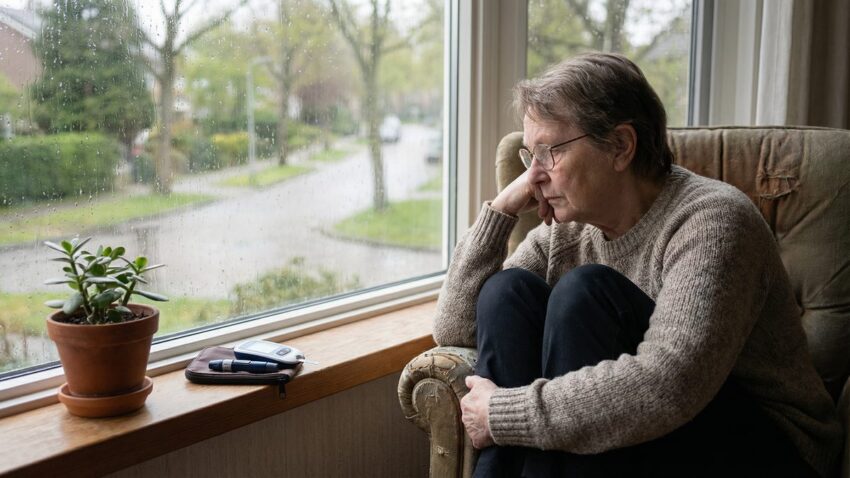
Living with diabetes isn’t just a physical challenge—it can take a significant toll on your mental health too. Depression is twice as common in people with diabetes, creating a complex cycle where each condition can worsen the other. Understanding this relationship is the first step toward breaking the cycle and improving both your physical and emotional wellbeing.
The Diabetes-Depression Connection: A Two-Way Street
If you’re managing diabetes while also experiencing feelings of persistent sadness, hopelessness, or a lack of interest in activities you once enjoyed, you’re not alone. The relationship between diabetes and depression is bidirectional—meaning each condition can influence and worsen the other.
People with diabetes are 2-3 times more likely to experience depression compared to those without diabetes. Similarly, individuals with depression have a higher risk of developing type 2 diabetes. This interconnection creates what healthcare professionals often call a “cycle of distress” that can significantly impact your quality of life and health outcomes.
ℹ️ Did You Know?
Only 25-50% of people with diabetes who have depression get diagnosed and treated. This underdiagnosis can lead to poorer diabetes outcomes and reduced quality of life. Speaking up about your emotional health is just as important as monitoring your blood sugar.
How Diabetes Contributes to Depression
Living with diabetes introduces numerous challenges that can contribute to the development of depression:
The Burden of Self-Management
Diabetes requires constant attention—monitoring blood glucose, planning meals, taking medications, and staying physically active. This relentless self-care routine can feel overwhelming and exhausting, particularly when you’re trying to balance it with work, family, and social responsibilities.
Diabetes Distress
Diabetes distress refers to the emotional burden and worry that comes from managing a complex chronic condition. While not the same as clinical depression, this diabetes-specific stress can evolve into depression if left unaddressed. Common feelings include frustration with daily management tasks, worry about complications, and feeling alone in your diabetes journey.
Physical Factors
The physiological effects of diabetes, including blood glucose fluctuations, inflammation, and changes in brain chemistry, may directly influence mood and mental health. High blood sugar can affect how your brain functions and processes emotions, while low blood sugar can trigger anxiety and mood changes.
Social Impact
Diabetes can affect your social life and relationships. You might feel different from others, misunderstood, or restricted in social activities involving food and drink. These feelings of isolation can contribute to depression.
How Depression Affects Diabetes Management
Depression doesn’t just make you feel bad—it can actively worsen diabetes control through several mechanisms:
Reduced Self-Care Motivation
Depression can drain your energy and motivation, making diabetes self-care tasks seem insurmountable. You might find yourself skipping blood glucose checks, medication doses, or healthy meals because you just don’t have the emotional resources to keep up.
Poor Dietary Choices and Physical Inactivity
When you’re depressed, you might turn to comfort foods (often high in carbohydrates and fats) or lose interest in preparing healthy meals. Physical activity—crucial for diabetes management—often decreases during depressive episodes, further affecting blood glucose control.
Biological Effects
Depression triggers stress responses in the body that can raise blood glucose levels. It increases cortisol and inflammatory markers, which can worsen insulin resistance and make diabetes harder to manage.
| Warning Signs of Depression | Impact on Diabetes Management |
|---|---|
| Persistent sadness or empty mood | Reduced motivation for self-care |
| Loss of interest in activities | Less physical activity, poorer glucose control |
| Sleep disturbances | Affects insulin sensitivity and hunger hormones |
| Fatigue or energy loss | Difficulty maintaining self-care routines |
| Difficulty concentrating | Challenges in complex diabetes management tasks |
| Feelings of worthlessness | Reduced belief in ability to manage diabetes |
Breaking the Cycle: Effective Strategies
The good news is that addressing either condition can help improve the other. Here are effective approaches to break the diabetes-depression cycle:
Recognize the Connection
The first step is awareness. Understanding that your feelings may be connected to your diabetes—and that they’re valid and common—can help reduce shame and isolation. Recognizing warning signs of depression allows for earlier intervention.
✅ Practical Tip
Keep a mood journal alongside your glucose readings for 2-3 weeks. Look for patterns between blood sugar fluctuations and mood changes. This information can be valuable for both you and your healthcare providers in developing targeted treatment strategies.
Integrated Treatment Approaches
Research shows that treating depression and diabetes together, rather than separately, leads to better outcomes for both conditions. This might include:
- Collaborative care: Diabetes specialists and mental health professionals working together
- Medication management: Certain antidepressants may be more suitable for people with diabetes
- Diabetes-specific therapy: Psychological approaches that address the unique challenges of living with diabetes
Therapy and Counseling
Several types of therapy have proven effective for depression in diabetes:
Cognitive Behavioral Therapy (CBT): Helps identify and change negative thought patterns that contribute to depression and diabetes distress. CBT can improve both mood and diabetes self-management.
Mindfulness-Based Stress Reduction: Teaches present-moment awareness and acceptance, which can reduce rumination and worry about diabetes complications.
Problem-Solving Therapy: Focuses on developing practical skills to address specific challenges in diabetes management that may be contributing to depression.
Lifestyle Approaches
Small lifestyle changes can have a significant impact on both conditions:
Physical Activity: Even modest increases in movement can improve insulin sensitivity while releasing mood-boosting endorphins. Start with 5-10 minutes daily and gradually increase.
Social Connection: Diabetes support groups (in-person or online) can reduce isolation and provide practical tips for managing both conditions.
Sleep Hygiene: Poor sleep worsens both depression and blood glucose control. Establishing a regular sleep schedule and bedtime routine can help both conditions.
ℹ️ Did You Know?
Exercise has been shown to be as effective as medication for mild to moderate depression in some studies. For people with diabetes, regular physical activity offers the dual benefit of improving mood while helping regulate blood glucose levels.
Medication Considerations
If medication is needed for depression, work closely with your healthcare provider to find the right option. Some antidepressants may affect blood glucose levels or interact with diabetes medications. Selective serotonin reuptake inhibitors (SSRIs) are often preferred for people with diabetes as they generally have fewer effects on blood glucose.
Self-Compassion
Living with diabetes means some days will be harder than others. Practicing self-compassion—treating yourself with the same kindness you would offer a friend—can reduce diabetes distress and depressive symptoms. Remember that perfect diabetes management isn’t possible, and occasional setbacks don’t define your worth or success.
✅ Practical Tip
Create a “self-care emergency kit” for days when diabetes management feels overwhelming. Include small items that bring comfort (a favorite tea, a playlist of uplifting songs, phone numbers of supportive friends), along with simplified diabetes care instructions for difficult days. Having this ready can prevent complete self-care abandonment during depressive episodes.
When to Seek Help
If you notice persistent changes in your mood, sleep, energy, or interest in activities—especially if they’re affecting your diabetes management—it’s time to talk to your healthcare provider. Depression is a medical condition, not a personal failure, and effective treatments are available.
Warning signs that require prompt attention include:
- Feeling hopeless or that life isn’t worth living
- Significant changes in sleep or appetite
- Withdrawal from family and friends
- Neglecting diabetes care completely
- Any thoughts of harming yourself
✅ Key Takeaway
The relationship between diabetes and depression creates a cycle that can be difficult to break—but with awareness, proper treatment, and self-care strategies, both conditions can improve together. Treating your mental health isn’t a luxury—it’s an essential part of diabetes care that affects your physical health, quality of life, and overall wellbeing. Don’t hesitate to speak up about your emotional health at diabetes appointments, as integrated care offers the best outcomes for both conditions.
Disclaimer: The information provided in this article is for educational purposes only and should not replace professional medical advice. Always consult with your healthcare team before making changes to your diabetes management plan.
 Urdu
Urdu  English