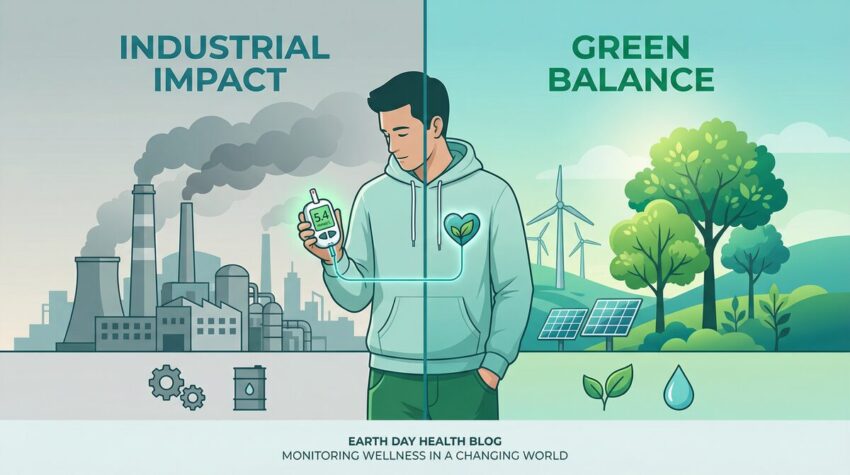
As Earth Day approaches, our thoughts often turn to the health of our planet. Yet, the intricate connection between environmental well-being and human health, particularly chronic conditions like diabetes, is frequently overlooked. This article delves into the profound, often hidden, ways in which our surroundings—from the air we breathe to the food we eat—influence the development and management of diabetes, urging a holistic perspective on both planetary and personal health.
Air Pollution: An Invisible Threat to Metabolic Health
The air we inhale daily, often laden with pollutants, poses a significant yet underestimated risk to our metabolic health. Research increasingly points to a strong correlation between exposure to fine particulate matter (PM2.5) and traffic-related air pollution and an increased risk of developing type 2 diabetes. These microscopic particles, once inhaled, can enter the bloodstream, triggering systemic inflammation and oxidative stress. This, in turn, can impair insulin sensitivity, leading to insulin resistance—a hallmark of type 2 diabetes—and disrupt the body’s ability to regulate blood glucose effectively.
Globally, the burden of air pollution on diabetes is substantial. Studies have estimated that a significant percentage of new diabetes cases worldwide could be attributable to air pollution, even at levels considered “safe” by some regulatory bodies. This invisible threat underscores the urgent need for cleaner air initiatives and greater awareness of its health implications.
⚠️ Warning: Living in Polluted Areas
Individuals residing in areas with high levels of air pollution, particularly near busy roadways or industrial zones, may face an elevated risk of developing type 2 diabetes. Consider monitoring local air quality reports and taking protective measures, such as using air purifiers indoors and limiting outdoor activities during peak pollution times.
The Built Environment: Shaping Our Health Choices
Beyond the air, the very design of our communities plays a crucial role in our diabetes risk. The “built environment” encompasses everything from urban planning and infrastructure to the availability of green spaces and healthy food options. A lack of safe and accessible walking paths, limited public transport, and insufficient green spaces can significantly reduce opportunities for physical activity, a cornerstone of diabetes prevention and management.
Furthermore, the concept of “food deserts” and “food swamps” highlights disparities in access to nutritious food. Food deserts are areas where residents have limited access to affordable and healthy food options, often relying on convenience stores with highly processed, calorie-dense foods. Conversely, food swamps are characterised by an abundance of unhealthy food outlets. Both scenarios contribute to poor dietary choices, increasing the risk of obesity and type 2 diabetes.
ℹ️ Info: Assessing Your Local Environment
Take a moment to evaluate your local environment. Are there safe pavements and parks for walking? Is fresh produce readily available and affordable? Understanding these factors can empower you to advocate for community changes or adapt your lifestyle to mitigate potential risks.
Climate Change: A Growing Concern for Diabetes Prevalence
The escalating climate crisis presents another complex layer to the diabetes epidemic. Rising global temperatures have been linked to an increase in diabetes incidence. Heat stress can compromise glucose metabolism, and prolonged exposure to higher temperatures may alter metabolic functions, making individuals more susceptible to diabetes.
Moreover, extreme weather events—such as floods, droughts, and heatwaves—disrupt healthcare access, food supply chains, and can significantly impact mental health. These disruptions can make consistent diabetes management challenging, leading to poorer health outcomes. While less direct, some research also explores potential links between climate change-induced shifts in vector populations and the spread of infectious agents that could, in rare cases, trigger certain forms of diabetes.
Chemical Exposures: Hidden Dangers in Our Daily Lives
Our modern world exposes us to a myriad of chemicals, some of which are increasingly implicated in diabetes development. Endocrine-disrupting chemicals (EDCs), found in plastics, pesticides, and personal care products, interfere with the body’s hormonal system. These chemicals can mimic or block hormones, disrupting the delicate balance required for proper glucose regulation and insulin function. Exposure to certain pesticides, for instance, has been consistently linked to an increased risk of type 2 diabetes.
✅ Tip: Reducing EDC Exposure
To minimise exposure to EDCs, opt for fresh, organic produce when possible, store food in glass or stainless steel containers instead of plastic, choose personal care products free from parabens and phthalates, and ensure good ventilation in your home.
The Gut Microbiome: An Internal Ecosystem Under Environmental Influence
The trillions of microorganisms residing in our gut, collectively known as the gut microbiome, play a pivotal role in our overall health, including metabolic regulation. Environmental factors, such as diet, exposure to pollutants, and lifestyle choices, profoundly shape the composition and function of this internal ecosystem. An imbalance in the gut microbiome, known as dysbiosis, has been associated with increased inflammation, altered energy metabolism, and insulin resistance, thereby contributing to diabetes risk.
Interplay of Factors and a Holistic Approach
It is crucial to recognise that these environmental factors rarely act in isolation. Instead, they often interact synergistically, amplifying their impact on diabetes risk. For example, individuals living in polluted, food-deserted areas with limited green spaces face a compounded risk. Addressing the diabetes epidemic, therefore, requires a holistic approach that considers not only individual lifestyle choices but also the broader environmental determinants of health.
Practical Steps for Individuals and Communities
While the scale of environmental challenges can seem daunting, both individual actions and community-level advocacy can make a difference. Individually, adopting a diet rich in whole foods, increasing physical activity, and consciously reducing exposure to environmental toxins can significantly mitigate risk. At a community level, supporting policies that promote cleaner air and water, invest in green infrastructure, and ensure equitable access to healthy food are vital steps towards creating healthier environments for all.
نتیجہ اخذ کرنا
On Earth Day and every day, understanding the intricate link between our environment and diabetes is paramount. The health of our planet is inextricably tied to our own. By acknowledging and addressing the environmental factors that contribute to diabetes, we can foster a future where both people and the planet can thrive. It is a call to action for greater awareness, informed choices, and collective effort to safeguard our metabolic health and the world we inhabit.
✅ Key Takeaway
Environmental factors such as air pollution, the built environment, climate change, and chemical exposures significantly influence diabetes risk and management. Adopting a holistic approach that combines individual healthy lifestyle choices with community-level advocacy for environmental protection is crucial for preventing and managing diabetes effectively.
 Urdu
Urdu  English