
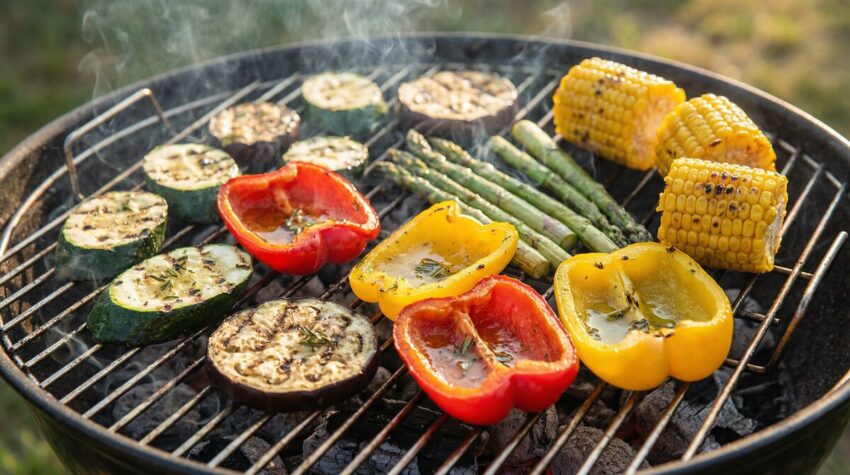
Summer brings an abundance of fresh, vibrant produce, and grilling offers a fantastic way to prepare these vegetables, enhancing their natural flavors while retaining vital nutrients. For individuals managing diabetes, incorporating a variety of non-starchy vegetables into their diet is crucial for blood sugar control, weight management, and overall health. This article explores the benefits of grilled vegetables as diabetes-friendly summer side dishes, offering practical tips for preparation and highlighting key nutritional considerations.
The Power of Non-Starchy Vegetables for Diabetes Management
Non-starchy vegetables are cornerstones of a diabetes-friendly diet. They are low in calories and carbohydrates, yet rich in fiber, vitamins, minerals, and antioxidants. The American Diabetes Association (ADA) emphasizes that non-starchy vegetables should constitute half of a meal plate, aiding in satiety and preventing post-meal blood sugar spikes. Grilling these vegetables can make them even more appealing, as the process caramelizes their natural sugars, creating a delicious, slightly smoky flavor without the need for excessive fats or sugary marinades.
ℹ️ Important Note
The American Diabetes Association recommends that non-starchy vegetables make up half of your meal plate to support blood sugar control and overall health.
Nutritional Benefits of Grilling
Grilling, when done correctly, can be a healthy cooking method. Unlike boiling, which can leach water-soluble vitamins, grilling helps preserve the nutritional integrity of vegetables. The quick, high-heat exposure can even enhance the bioavailability of certain compounds. For instance, some studies suggest that cooking methods like grilling can increase the antioxidant capacity of vegetables. Furthermore, grilling often requires minimal added oil, contributing to a lower-fat meal compared to frying.
Choosing the Best Vegetables for Grilling (Diabetes-Friendly)
When selecting vegetables for grilling, prioritize non-starchy options that hold up well to heat and develop appealing textures and flavors. Excellent choices include:
- Bell Peppers (all colors): Rich in Vitamin C and antioxidants, they become sweet and tender when grilled.
- Zucchini and Yellow Squash: Low in carbs and high in water content, they grill quickly and absorb flavors beautifully.
- Asparagus: A good source of folate and vitamins A, C, and K, asparagus spears become delightfully crisp-tender.
- Eggplant: A versatile vegetable that, when grilled, develops a creamy texture and smoky taste. It’s high in fiber and antioxidants.
- Mushrooms (Portobello, Cremini): Offer a meaty texture and umami flavor, providing B vitamins and selenium.
- Onions (Red, Sweet): Grilling softens their bite and brings out their natural sweetness, adding flavor to any dish.
- Broccoli and Cauliflower: While often roasted, these cruciferous vegetables can also be grilled, offering fiber and various vitamins.
Preparation Tips for Delicious and Healthy Grilled Vegetables
- Clean and Cut: Wash vegetables thoroughly and cut them into uniform pieces to ensure even cooking. Thicker slices are generally better for grilling to prevent them from falling through the grates.
- Lightly Oil: Toss vegetables with a small amount of heart-healthy oil, such as olive oil or avocado oil. This prevents sticking and helps in even cooking. Avoid excessive oil, which adds unnecessary calories.
- Season Simply: Use herbs, spices, and a pinch of salt and pepper to enhance flavor. Consider garlic powder, onion powder, paprika, dried oregano, or fresh rosemary and thyme. Lemon juice or balsamic vinegar can add a bright, tangy finish after grilling.
- Preheat the Grill: Ensure your grill is preheated to a medium-high temperature (around 375-400°F or 190-200°C) for best results. A hot grill sears the vegetables, creating appealing char marks and locking in moisture.
- Grill Time: Cooking times vary by vegetable. Softer vegetables like zucchini and bell peppers may take 5-7 minutes per side, while firmer ones like eggplant or broccoli might need 8-12 minutes, turning occasionally.
- Avoid Overcrowding: Grill in batches if necessary to avoid overcrowding the grill, which can steam the vegetables instead of grilling them.
✅ Tip for Success
To achieve optimal flavor and texture, always preheat your grill to a medium-high temperature before adding vegetables. This ensures proper searing and caramelization.
Integrating Grilled Vegetables into Your Diabetes Meal Plan
Grilled vegetables are incredibly versatile. They can serve as a standalone side dish, be added to salads, incorporated into whole-grain wraps, or mixed with lean protein sources like grilled chicken or fish for a complete meal. Their natural sweetness and satisfying texture can help reduce cravings for less healthy, carbohydrate-heavy sides.
Diabetes Management Tips
- Portion Control: While non-starchy vegetables are generally low in carbs, be mindful of any added oils or marinades. Focus on filling half your plate with these vibrant additions.
- Monitor Blood Sugar: Pay attention to how different grilled vegetables affect your blood sugar levels, especially if you use marinades with natural sugars.
- Variety is Key: Rotate your vegetable choices to ensure a wide range of nutrients and to keep meals interesting.
نتیجہ اخذ کرنا
Grilled vegetables are an excellent, diabetes-friendly addition to any summer meal. They are not only delicious and easy to prepare but also packed with essential nutrients that support blood sugar control and overall well-being. By choosing the right vegetables and following simple preparation tips, you can enjoy the flavors of summer while adhering to a healthy eating plan. Embrace the grill this season and savor the goodness of nature’s bounty.
✅ Key Takeaway
Grilled non-starchy vegetables are a flavorful, nutrient-dense, and diabetes-friendly choice for summer side dishes, supporting blood sugar control and overall health with minimal added fats or sugars.
 Urdu
Urdu  English