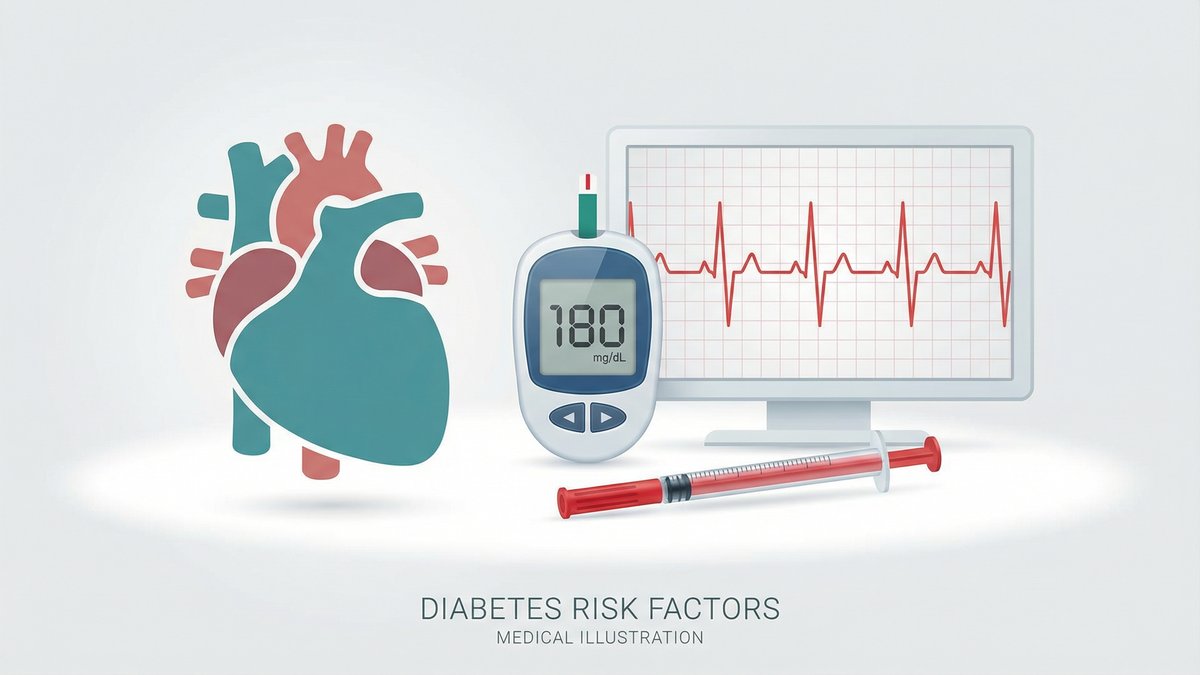
Metabolic syndrome is a cluster of risk factors that often travel together. These include abdominal weight, high blood pressure, high blood sugar, high triglycerides, and low HDL cholesterol.
Quick summary
The point of naming metabolic syndrome is not to label someone. It is to identify a pattern that raises the risk of type 2 diabetes, heart disease, and stroke.
Key takeaways
- Metabolic syndrome is a risk pattern, not a single symptom.
- Insulin resistance often plays a role.
- Blood pressure, cholesterol, glucose, and waist-related risk may all need attention.
- It raises the risk of type 2 diabetes and cardiovascular disease.
What to review
Clinicians commonly diagnose metabolic syndrome when several risk factors are present together, often three or more. Exact cutoffs can vary by guideline and clinical judgment.
- A1C or fasting glucose.
- Blood pressure.
- Triglycerides and HDL cholesterol.
- Weight or waist measurement if appropriate.
- Smoking, sleep apnea symptoms, activity level, and family history.
What can help
Physical activity, food pattern changes, weight management if appropriate, smoking support, sleep apnea review, and medicines for blood pressure, cholesterol, or glucose can all reduce heart and vascular risk.
The best plan often works on more than one risk factor at a time. Ask which marker should be rechecked first so progress is measured, not guessed.
Practical takeaway
Metabolic syndrome is a signal that lifestyle and medical care can reduce serious risks. Ask which risk factor needs attention first.
Safety note
This article is not a substitute for medical care. Seek urgent care for chest pain, severe shortness of breath, stroke warning signs such as face drooping, arm weakness, or speech trouble, confusion, or symptoms that feel dangerous.
What to ask your care team
- Do I meet criteria for metabolic syndrome, and which criteria apply?
- Which risk factor is most urgent for heart and stroke prevention?
- Which medicine or lifestyle step would reduce more than one risk at once?
Related reading
Source summary
- Metabolic Syndrome, National Heart, Lung, and Blood Institute. Patient guidance. Accessed June 5, 2026. Source
- Metabolic Syndrome, MedlinePlus, National Library of Medicine. Patient guidance. Accessed June 5, 2026. Source
- Insulin Resistance and Prediabetes, National Institute of Diabetes and Digestive and Kidney Diseases. Patient guidance. Accessed June 5, 2026. Source
- About Type 2 Diabetes, Centers for Disease Control and Prevention. Patient guidance. Accessed June 5, 2026. Source