Diet

Diabetes-Friendly Memorial Day BBQ: Smart Grilling Tips

Diabetes-friendly BBQ tips for safer grilling, portions, hydration, alcohol caution, and glucose planning during Memorial Day and summer gatherings.

Memorial Day often marks the unofficial start of summer, bringing with it the joy of outdoor gatherings and delicious barbecue. For individuals managing diabetes, these festive occasions can sometimes feel challenging. With planning, portion awareness, and a backup plan for heat and glucose changes, you can enjoy a barbecue meal while keeping diabetes safety in mind. This guide will help you navigate the grill, offering practical tips and delicious ideas for a memorable and healthy celebration.

Advertisement

Key takeaways

  • Focus on portions, fiber, protein, and how the meal affects your own glucose pattern.
  • Nutrition numbers are estimates and can change with brands, ingredients, and serving size.
  • Ask your care team how to match meals with medicines if you use insulin or drugs that can cause lows.

Glucose responses to barbecue meals vary from person to person. If you use insulin or sulfonylureas, ask your diabetes care team how to plan for meals, heat, alcohol, and activity before changing medicines or carbohydrate intake.

Do not change insulin, sulfonylureas, or any other diabetes medicine for a barbecue meal based on general advice. Dose timing and carbohydrate plans must come from your prescribing clinician or diabetes care team.

Diabetes-friendly highlights

Grilling can be a convenient way to prepare lean proteins and vegetables, but the full meal still matters for blood glucose, sodium, saturated fat, and portions. Here are some highlights to keep in mind for your Memorial Day feast:

  • Lean Protein Power: Opt for grilled chicken breast, fish, lean cuts of beef or pork, or plant-based burgers. These provide satiety without excessive saturated fat.
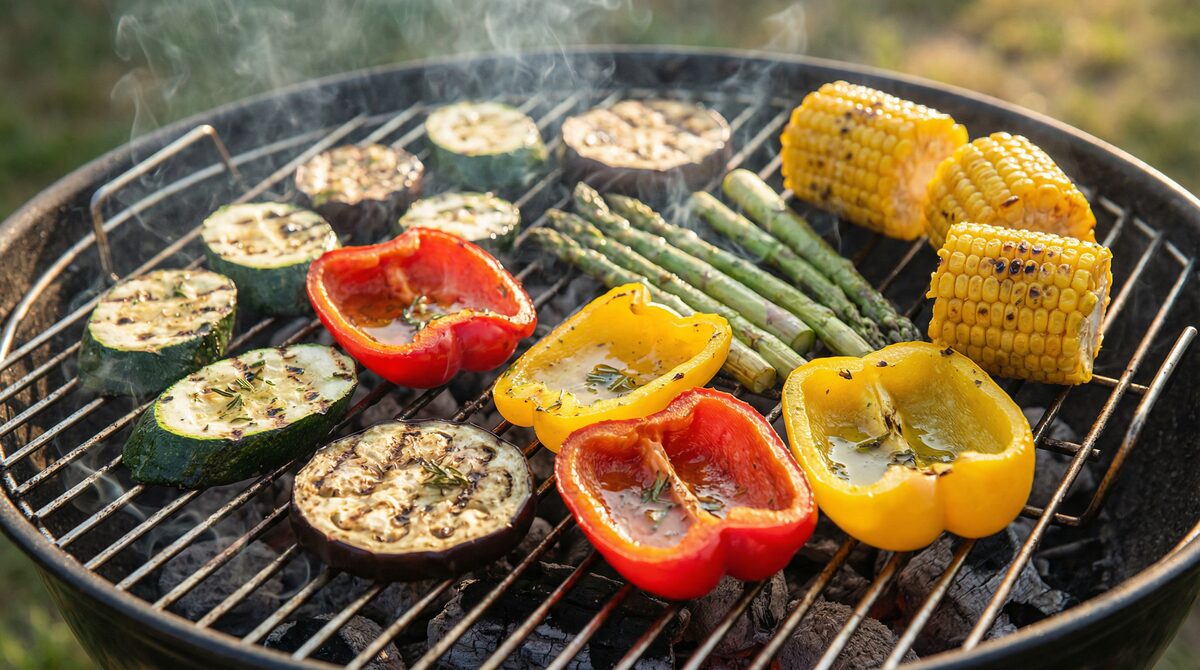
  • Vegetable Variety: The grill transforms vegetables into smoky, tender delights. Think bell peppers, zucchini, onions, asparagus, corn on the cob (in moderation), and even romaine lettuce for a grilled salad.
  • Smart Marinades: Choose marinades that are low in sugar and sodium. Vinegar, herbs, spices, lemon juice, and a touch of olive oil can add immense flavor without extra carbs.
  • Portion Control: Enjoy all your favorites, but be mindful of portion sizes, especially for carbohydrate-rich sides like potato salad, baked beans, and buns.
  • Hydration: Stay well-hydrated with water, unsweetened iced tea, or sparkling water with fruit slices.

Ingredients (General Guide for a Diabetes-Friendly BBQ)

Advertisement

While this isn’t a single recipe, here’s a list of ingredients to inspire your diabetes-friendly Memorial Day grilling:

  • Proteins: Boneless, skinless chicken breasts or thighs, salmon fillets, lean ground turkey or beef patties, shrimp, firm tofu or tempeh.
  • Vegetables: Bell peppers (various colors), zucchini, yellow squash, red onion, cherry tomatoes, mushrooms, asparagus, corn on the cob (small portions).
  • Marinade Components: Olive oil, apple cider vinegar, lemon juice, garlic, onion powder, paprika, black pepper, dried oregano, fresh parsley or cilantro.
  • Buns/Wraps: Whole-wheat buns, lettuce wraps, or skip the bun entirely.
  • Sides: Mixed green salad with vinaigrette, grilled sweet potatoes (small portions), cauliflower “potato” salad, sugar-free coleslaw.
  • Condiments: Sugar-free ketchup, mustard, homemade salsa, avocado slices.

Nutrition facts: rough estimate for one example plate

These numbers are an illustrative, non-authoritative estimate for one example plate only, not a precise calculation or clinical nutrition recommendation. Actual values depend on brands, recipes, sauces, and portion sizes. The example is (e.g., 4oz grilled chicken, 1 cup grilled vegetables, 1/2 cup mixed green salad):

  • Calories: 300-450 kcal
  • Total Carbohydrates: 15-30g (varies greatly with vegetable and side choices)
  • Fiber: 5-10g
  • Protein: 30-40g
  • Total Fat: 10-20g
  • Saturated Fat: 2-5g
  • Sodium: 300-600mg (can be higher with processed meats or salty marinades)

Important note: These are rough estimates for one example plate. Always check labels for packaged foods and adjust your carbohydrate counting and meal plan based on your individual needs and healthcare provider’s guidance.

Instructions for Diabetes-Friendly Grilling

  1. Plan Your Menu: Before you light the grill, decide on your proteins, vegetables, and sides. Aim for a balance of lean protein, non-starchy vegetables, and healthy fats.
  2. Prepare Proteins: Marinate chicken, fish, or tofu for at least 30 minutes (or overnight for deeper flavor) in a diabetes-friendly marinade. Form lean ground meat into patties.
  3. Chop Vegetables: Cut sturdy vegetables like bell peppers, zucchini, and onions into large, grillable pieces. Toss with a little olive oil, salt, and pepper.
  4. Preheat Grill: Ensure your grill is clean and preheated to a medium-high heat for best results.
  5. Grill Smart:
    • Place proteins on the hottest part of the grill to sear, then move to a cooler section to cook through.
    • Grill vegetables until tender-crisp with nice char marks.
    • Use a meat thermometer to ensure proteins are cooked to a safe internal temperature.
  6. Assemble Your Plate: Fill half your plate with non-starchy grilled vegetables, one-quarter with lean protein, and the remaining quarter with a small portion of a healthy carbohydrate side.

Diabetes Management Tips for BBQ Season

  • Monitor Blood Glucose: Check your blood sugar before and after your meal to understand how different foods and portions affect you. This is especially important if you’re trying new recipes or eating out.
  • Stay active if safe for you: A gentle post-meal walk may help some people, but follow your own activity limits and glucose plan.
  • Hydrate and watch heat symptoms: People with diabetes, kidney disease, heart disease, or medicines that increase fluid loss may be more vulnerable to dehydration. Use your care team’s fluid advice, and seek help for confusion, fainting, severe weakness, heat illness, or severe low-glucose symptoms.
  • Be mindful of alcohol: Alcohol can increase the risk of hypoglycemia, especially for people using insulin or medicines that can cause lows. Eating food or drinking water does not make alcohol risk-free. Follow personalized care-team guidance.
  • Communicate: If you’re a guest, offer to bring a diabetes-friendly dish to share. If you’re hosting, provide clear labels for dishes and offer healthy options.
  • Red Flags: If you experience symptoms of high or low blood sugar, or feel unwell, take immediate action as advised by your care team. Don’t hesitate to seek medical attention if symptoms are severe or persistent.

Storage & Leftovers

Proper storage of leftovers is crucial for food safety and meal planning:

  • Cool Quickly: Refrigerate grilled foods within two hours of cooking.
  • Airtight Containers: Store leftovers in sealed containers to maintain freshness and prevent contamination.
  • Meal Prep: Leftovers can be excellent for quick, healthy meals throughout the week. Repurpose grilled chicken into salads or wraps, and grilled vegetables into stir-fries.
  • Reheat Safely: Reheat grilled meats and vegetables to an internal temperature of 165 degrees Fahrenheit (74 degrees Celsius).

Medical note: This article is for education only and does not replace care from your healthcare professional. If you use insulin or medicines that can cause low blood glucose, are pregnant, have kidney disease, heart disease, vision problems, neuropathy, or other diabetes-related complications, discuss changes to food, activity, medicines, devices, or travel plans with your diabetes care team.

Sources

Spread the love
Advertisement

Leave a comment