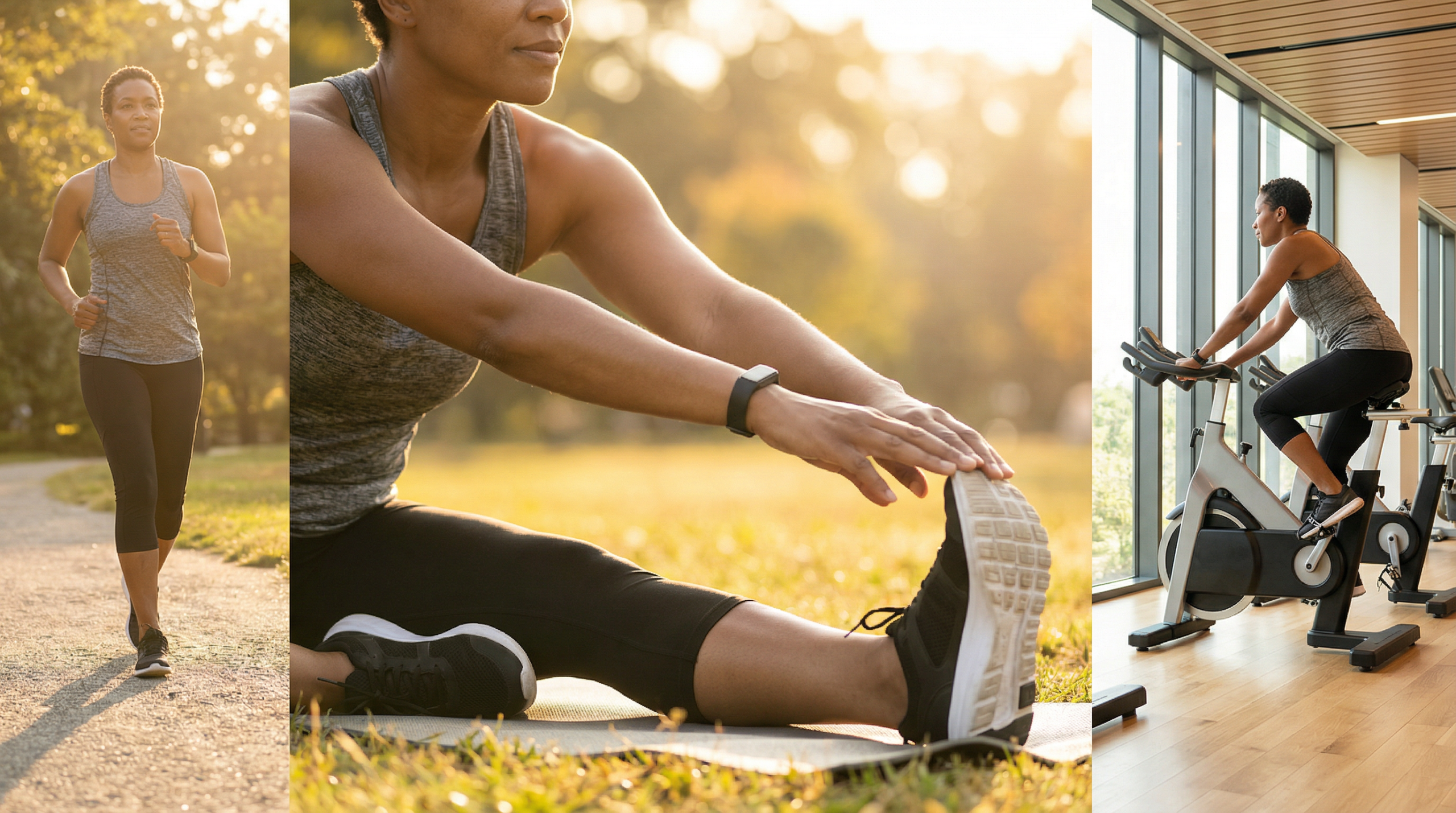
Living with diabetes means constantly balancing many factors, and physical activity is a cornerstone of good management. Fitness trackers can be useful step counters and activity logs, but they are optional tools rather than diabetes treatments. These devices can log steps, heart rate, sleep, and workouts, which may provide context for conversations with your care team. They do not measure blood glucose unless paired with a glucose device, and they do not treat diabetes.
Key takeaways
- Use your own glucose targets, medication plan, and trend data when planning activity.
- Carry fast-acting carbohydrate if you use insulin or medicines that can cause low blood glucose.
- Start gradually and ask your care team about limits if you have neuropathy, eye, kidney, or heart disease.
Why this matters when you live with diabetes
Regular physical activity is important for individuals with diabetes. It improves insulin sensitivity, helps manage blood glucose levels, supports cardiovascular health, and contributes to overall well-being. However, exercise can also impact blood sugar in complex ways, especially for those using insulin or certain medications. Fitness trackers, particularly those that integrate with continuous glucose monitors (CGMs) or allow manual logging, can provide useful context into these fluctuations, helping you to exercise more safely and effectively.
Consumer fitness trackers are not medical devices for diabetes treatment, and heart-rate, calorie, or sleep estimates from these devices are not accurate enough to use for changing insulin doses or other diabetes medications.
Understanding how your body responds to different types and intensities of exercise is key. A fitness tracker can help you identify patterns, such as how a brisk walk affects your glucose compared to a strength training session. This pattern information can be useful, but it does not replace glucose monitoring, clinical advice, or an individualized exercise plan.
App graphs or correlations between steps, heart rate, and glucose do not prove cause and should not be used on their own to change your diabetes treatment plan.
What to do before you start: Pre-exercise glucose safety and planning
Before embarking on any new exercise regimen, especially when living with diabetes, preparation is paramount. This includes understanding your current blood glucose levels, reviewing medicines with your clinician if needed, and having a plan for potential highs or lows. Your fitness tracker can be an optional log for this preparation.
Check your glucose using your personal plan
Check your blood glucose around exercise according to your diabetes plan. If you use a CGM, pay attention to trends and arrows. If your glucose is below your personal safe range or trending down, you may need carbohydrate before activity. If your glucose is very high, especially if you are at risk for ketones, follow your sick-day or exercise plan and consider delaying intense activity until levels are safer. Discuss specific targets with your healthcare team.
Medication and device adjustments
Exercise can increase insulin sensitivity and raise low-glucose risk for people using insulin or insulin secretagogues. Any insulin, pump, or medication changes should come from your prescribing clinician or diabetes care team. Fitness tracker data can help guide that conversation, but it should not be used to self-adjust doses or pump settings.
Hydration and Fuel
Ensure you are well-hydrated before, during, and after exercise. Keep water or a sugar-free electrolyte drink accessible. If you are at risk for hypoglycemia, keep fast-acting carbohydrate available and follow your own low-glucose treatment plan.
Practical steps you can use this week with your fitness tracker
Using a fitness tracker can help you notice activity patterns. Here’s how to get started and progress:
Beginner Plan: Building a Foundation
- Choose the Right Tracker: Start with a tracker that monitors steps, heart rate, and ideally, allows for manual blood glucose logging or integrates with a CGM.
- Set Realistic Goals: Aim for short, consistent bursts of activity. Even 10-15 minutes of walking after meals can make a difference. Your tracker can help you monitor your progress.
- Monitor Trends: Pay attention to how your blood glucose responds to light activities. Log your food, medication, and activity in your tracker’s app or a separate diabetes app to identify correlations.
- Stay Hydrated: Use your tracker’s reminders to drink water throughout the day, especially around your activity times.
Moderate Plan: Increasing Intensity and Duration
- Explore Different Activities: Once comfortable, try incorporating a mix of aerobic (brisk walking, cycling) and resistance training (bodyweight exercises, light weights). Your tracker can help you monitor heart rate zones.
- Advanced Glucose Monitoring: If you have a CGM, use its data in conjunction with your tracker’s activity logs to discuss pre-exercise snack or insulin questions with your care team. Even if your CGM shares data with a fitness app, follow the CGM manufacturer’s instructions and your diabetes plan for insulin and treatment decisions, rather than combined or derived metrics shown in third-party apps.
- Structured Workouts: Utilize your tracker’s workout modes to track specific exercises, duration, and intensity. This data is valuable for discussions with your healthcare team.
- Interrupt Sedentary Time: Set your tracker to remind you to move every hour if you have a desk job. Short bursts of activity can prevent prolonged sitting, which is beneficial for blood glucose.
Advanced Plan: Optimizing Performance and Management
- High-Intensity Interval Training (HIIT) or Endurance: Only consider more intense activities if your care team has reviewed your heart, eye, kidney, nerve, foot, and hypoglycemia risks and has said this level is safe for you. Understand that these can have different effects on blood glucose (e.g., initial rise due to stress hormones, followed by a drop).
- Detailed Data Analysis: Dive deep into your tracker’s data. Look for patterns in heart rate recovery and sleep patterns as general wellness context. Do not use tracker analytics to change diabetes treatment without your clinician.
- Share useful patterns: If you choose to connect apps or export data, protect your privacy and share only the patterns that help your care team understand activity, sleep, and glucose trends.
- Continuous Learning: Stay informed about new features and research related to fitness trackers and diabetes. Your device is a tool; your knowledge is the power.
When to call your healthcare professional
While fitness trackers are powerful tools, they do not replace professional medical advice. Contact your healthcare provider if you experience any of the following:
- Frequent or severe hypoglycemia (low blood glucose) during or after exercise.
- Unexplained hyperglycemia (high blood glucose) that persists despite activity and medication adjustments.
- New or worsening symptoms like chest pain, dizziness, extreme fatigue, or shortness of breath during exercise.
- Non-healing sores or blisters on your feet, especially after increased activity.
- Any concerns about adjusting your medication or insulin doses in relation to exercise.
Questions to ask at your next visit
- “Based on my fitness tracker data, are there any adjustments I should make to my medication or insulin before or after exercise?”
- “What are safe blood glucose ranges for me before, during, and after different types of exercise?”
- “Are there any specific exercises or activities I should avoid given my current health status?”
- “Can you recommend a diabetes educator or exercise physiologist who specializes in diabetes management?”
- “What tracker data, if any, is useful for our discussions, and what should I avoid using to make treatment decisions?”
Medical note: This article is for education only and does not replace care from your healthcare professional. If you use insulin or medicines that can cause low blood glucose, are pregnant, have kidney disease, heart disease, vision problems, neuropathy, or other diabetes-related complications, discuss changes to food, activity, medicines, devices, or travel plans with your diabetes care team.