Diabetes Education

Glaucoma and Diabetes: Risk, Screening, and Eye Safety

Learn about the link between glaucoma and diabetes, including risk factors, symptoms, screening, and treatment options to protect your eye health.

Living with diabetes means managing many aspects of your health, and your eyes are no exception. While you might be familiar with conditions like diabetic retinopathy, another serious eye disease, glaucoma, also poses a significant risk for people with diabetes. Understanding this connection is crucial for protecting your vision and maintaining your quality of life.

Advertisement

Key takeaways

  • Book routine eye checks even when your vision feels normal.
  • Seek urgent eye care for sudden vision loss, new floaters, flashes, severe eye pain, or major blurring, as these can signal glaucoma or other serious eye problems.
  • Blood glucose, blood pressure, and cholesterol goals should be personalized with your care team.

Why this matters when you live with diabetes

Glaucoma is a group of eye conditions that damage the optic nerve, often due to abnormally high pressure inside your eye. This damage can lead to irreversible vision loss and even blindness if not detected and treated early. Research suggests that people with diabetes may have a higher risk of developing glaucoma compared with people without diabetes. Diabetes can affect blood vessels throughout your body, including those in your eyes. Research suggests that having diabetes for many years and having poorly controlled blood sugar are linked with a higher risk of glaucoma, although the exact reasons are still being studied.

What to do before you start

Advertisement

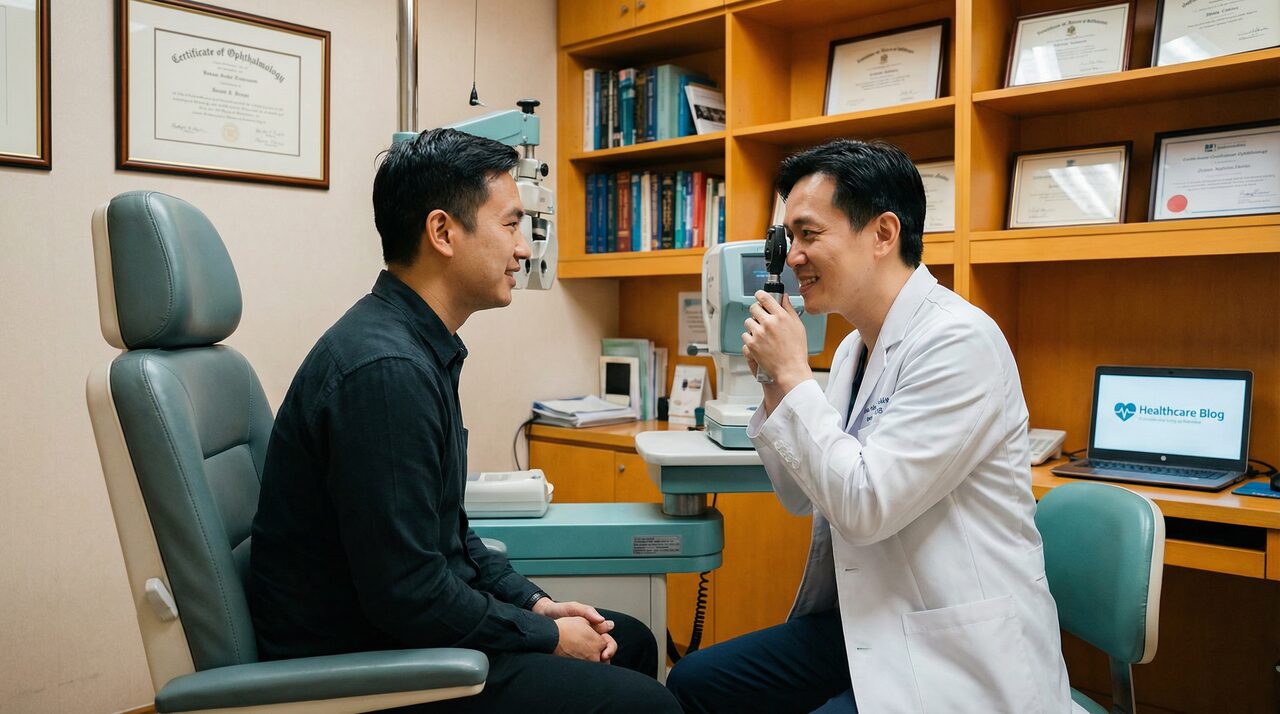
The most important step in protecting your vision from glaucoma, especially with diabetes, is regular, comprehensive eye care. This means scheduling regular comprehensive eye exams as recommended by your eye care professional, which may include eye pressure measurement, optic nerve assessment, and dilated eye exams with an optometrist or ophthalmologist. These exams are vital because glaucoma often has no early symptoms. It’s a silent disease, and by the time you notice vision changes, significant damage may have already occurred. Discuss your diabetes history and any family history of glaucoma with your eye care professional.

Glaucoma screening frequency depends on individual risk factors such as age, family history, eye pressure, and prior eye findings. Blood glucose management supports overall eye health and diabetes-complication prevention, but it does not remove the need for glaucoma risk assessment.

Practical steps you can use this week

Taking proactive steps can help manage your risk and preserve your vision:

  • Prioritize Blood Sugar Control: Work with your healthcare team on individualized glucose, blood pressure, and cholesterol goals to support overall eye health.
  • Manage Blood Pressure and Cholesterol: High blood pressure and unhealthy cholesterol levels are additional risk factors for eye complications in diabetes. Adhere to your treatment plan for these conditions.
  • Attend regular eye exams: Do not skip regular comprehensive eye exams, often at least annually for many people with diabetes or as advised by your eye doctor based on age, eye pressure, family history, and prior findings. During these exams, your eye doctor can detect early signs of glaucoma, even before you experience symptoms. They may measure your eye pressure, examine your optic nerve, and check for other diabetes-related eye conditions.
  • Know Your Family History: If glaucoma runs in your family, you may be at an even higher risk. Share this information with your eye care specialist.
  • Protect Your Eyes: Wear sunglasses outdoors to shield your eyes from harmful UV rays, and use protective eyewear during activities that could cause eye injury.

When to call your healthcare professional

While regular check-ups are essential, certain symptoms warrant immediate attention. Glaucoma symptoms and retinal warning signs can overlap with other urgent eye problems. Contact your eye care professional without delay for:

  • Sudden blurry or distorted vision
  • Seeing halos around lights
  • Severe eye pain
  • Redness in the eye
  • Sudden onset of floaters or flashes of light, which can be a sign of retinal problems that also need urgent care
  • Loss of peripheral (side) vision
  • Any rapid change in your vision

These could be signs of worsening glaucoma or other serious eye conditions that require urgent evaluation and treatment to prevent permanent vision loss.

Questions to ask at your next visit

Prepare for your eye appointments by having a list of questions. Consider asking:

  • “What is my current eye pressure, and what is considered a healthy range for me?”
  • “Are there any signs of glaucoma or other diabetes-related eye conditions?”
  • “How often should I be screened for glaucoma given my diabetes?”
  • “What lifestyle changes can I make to further protect my eye health?”
  • “What are the treatment options if glaucoma is detected?”

Medical note: This article is for education only and does not replace care from your healthcare professional. If you use insulin or medicines that can cause low blood glucose, are pregnant, have kidney disease, heart disease, vision problems, neuropathy, or other diabetes-related complications, discuss changes to food, activity, medicines, devices, or travel plans with your diabetes care team.

Sources

Spread the love
Advertisement

Leave a comment