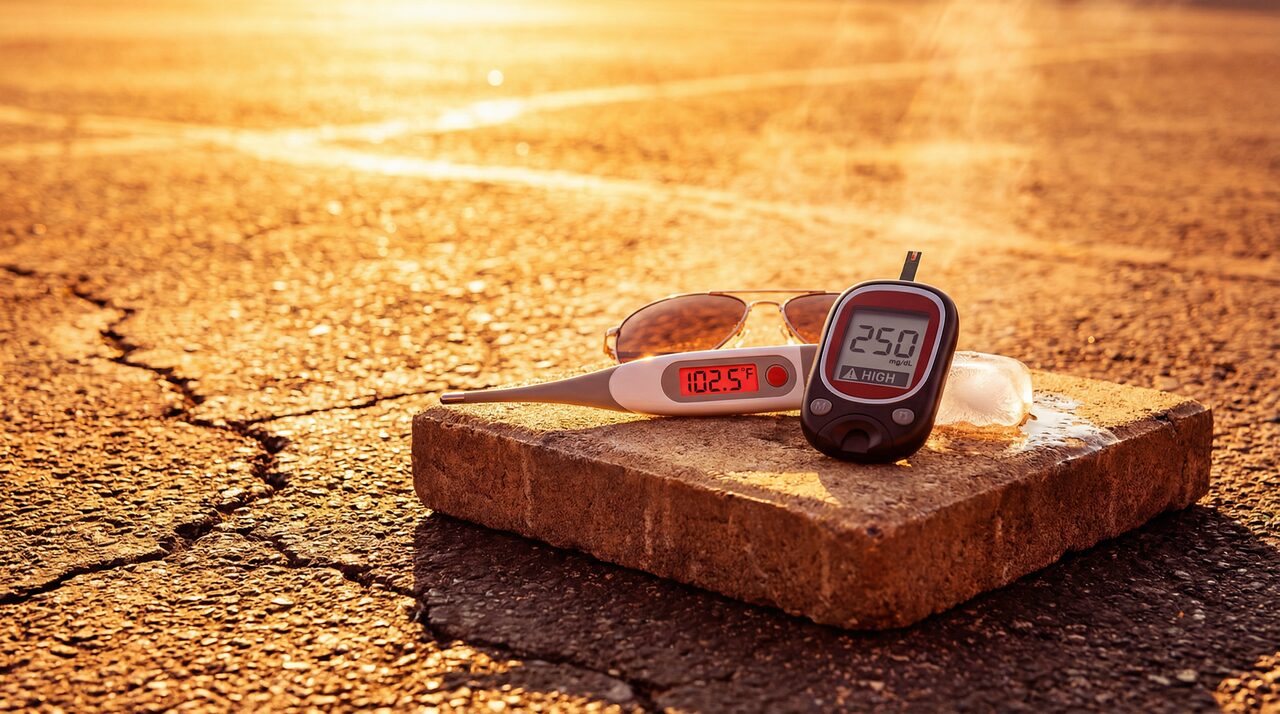
Summer’s warmth invites outdoor activities and travel, but for individuals managing diabetes, rising temperatures can also bring unique challenges. Understanding how heat affects blood sugar and diabetes supplies is crucial for a safe and enjoyable season. From unexpected blood sugar fluctuations to medication storage concerns, being prepared can make all the difference.
Key takeaways
- Pack extra diabetes supplies and keep medicines, devices, snacks, and treatment for lows accessible.
- Check manufacturer instructions for heat, water, scanner, and storage limits on your specific products.
- Make a backup plan for delays, illness, lost supplies, and local medical care.
Why this matters when you live with diabetes
Living with diabetes means paying close attention to many factors that influence your health, and extreme heat is certainly one of them. High temperatures can impact your body’s ability to regulate blood sugar in several ways. Dehydration, a common risk in hot weather, can lead to higher blood glucose levels. Additionally, heat can affect how your body uses insulin, potentially increasing your risk of hypoglycemia (low blood sugar) or hyperglycemia (high blood sugar). Certain diabetes complications, such as neuropathy or kidney disease, can also make you more vulnerable to heat-related illnesses because they may impair your body’s natural cooling mechanisms, like sweating.
What to do before you start
Preparation is key to navigating summer safely with diabetes. Before heading out for a day in the sun or embarking on a summer trip, take some time to plan. Discuss your summer plans with your healthcare professional, especially if you anticipate significant changes in activity, diet, or travel across time zones. They can offer personalized advice and help adjust your medication regimen if needed. Ensure you have an adequate supply of all your medications, testing supplies, and any other diabetes-related equipment. It’s also wise to assemble a small emergency kit with fast-acting glucose, snacks, and contact information for your medical team.
Practical steps you can use this week
Staying safe in the heat with diabetes involves several proactive measures. Incorporate these practical steps into your routine to manage your blood sugar effectively and protect your health:
Hydration is paramount
- Drink plenty of water: Even if you don’t feel thirsty, sip water regularly throughout the day. Avoid sugary drinks, alcohol, and excessive caffeine, as these can contribute to dehydration.
- Carry a water bottle: Keep a reusable water bottle with you and refill it often.
- Monitor urine color: Pale yellow urine usually indicates good hydration.
Protect your medications and supplies
- Keep insulin cool: Insulin can lose effectiveness if exposed outside the storage range listed for your specific product. Do not leave insulin in a hot car, direct sunlight, or on a hot beach. Use insulated bags with ice packs (ensure insulin doesn’t freeze) or specialized cooling cases when outdoors or traveling.
- Store other medications: Test strips, blood glucose meters, and insulin pumps can also be affected by extreme heat. Store them in a cool, dry place.
- Heat/Storage Thresholds: Example ranges, always check your product: many insulin products are stored in the refrigerator before first use. Once opened, many vials and pens can be kept at room temperature for a limited time, often up to about 77-86 degrees Fahrenheit (25-30 degrees Celsius), but this varies by brand and formulation. Always follow the storage directions on your insulin’s package insert and avoid direct heat or freezing.
Monitor blood sugar frequently
- Check more often: Hot weather can cause unpredictable blood sugar changes. Monitor your levels more frequently than usual, especially before and after physical activity, and if you feel unwell.
- Recognize symptoms: Be aware of the signs of both high and low blood sugar, as some symptoms can overlap with heat exhaustion (e.g., fatigue, headache).
Adjust your activity and attire
- Avoid peak heat: Schedule outdoor activities for cooler parts of the day, such as early morning or late evening.
- Dress appropriately: Wear lightweight, loose-fitting, light-colored clothing. A wide-brimmed hat and sunglasses can also offer protection.
- Foot care: Always wear shoes to protect your feet from hot surfaces, as neuropathy can reduce sensation and increase the risk of burns or injuries.
Travel documentation and emergency planning
- Medical identification: Always wear a medical ID bracelet or necklace stating you have diabetes.
- Doctor’s note: Carry a letter from your doctor explaining your condition and listing all your medications and supplies, especially when traveling internationally. This can be helpful for airport security (TSA) and in case of medical emergencies.
- Airport security guidelines: Be aware of airport security rules for medical items. Blood sugar test kits, insulin, and other diabetes supplies are allowed in carry-on and checked bags. Inform airport security officers about your diabetes and supplies. Medically necessary liquids, including insulin, may exceed 3.4 ounces but must be declared.
- Emergency contacts: Keep a list of emergency contacts and your healthcare team’s information readily accessible.
- Emergency kit: Pack a small bag with essential diabetes supplies, fast-acting glucose, and a non-perishable snack.
When to call your healthcare professional
While careful planning can prevent many issues, it’s important to know when to seek medical attention. Contact your healthcare professional immediately if you experience any of the following:
- Persistent high or low blood sugar readings that don’t respond to your usual management strategies.
- Symptoms of heat exhaustion or heatstroke: These include heavy sweating, cold/clammy skin, fast/weak pulse, nausea, vomiting, muscle cramps, headache, dizziness, confusion, or loss of consciousness. Heatstroke is a medical emergency.
- Signs of dehydration: Such as extreme thirst, infrequent urination, or dark urine.
- Any new or worsening diabetes symptoms that concern you.
Questions to ask at your next visit
To ensure you’re fully prepared for summer, consider asking your healthcare professional these questions during your next appointment:
- “Are there any specific adjustments I should make to my medication or insulin doses during hot weather or travel?”
- “What are the signs of heat-related illness I should watch out for, and when should I seek emergency care?”
- “Can you provide a letter for travel that outlines my diabetes supplies and medications?”
- “Are there any new technologies or products that can help me manage my diabetes more effectively in the heat?”
- “What are your recommendations for staying hydrated and managing blood sugar during summer activities?”
Medical note: This article is for education only and does not replace care from your healthcare professional. If you use insulin or medicines that can cause low blood glucose, are pregnant, have kidney disease, heart disease, vision problems, neuropathy, or other diabetes-related complications, discuss changes to food, activity, medicines, devices, or travel plans with your diabetes care team.