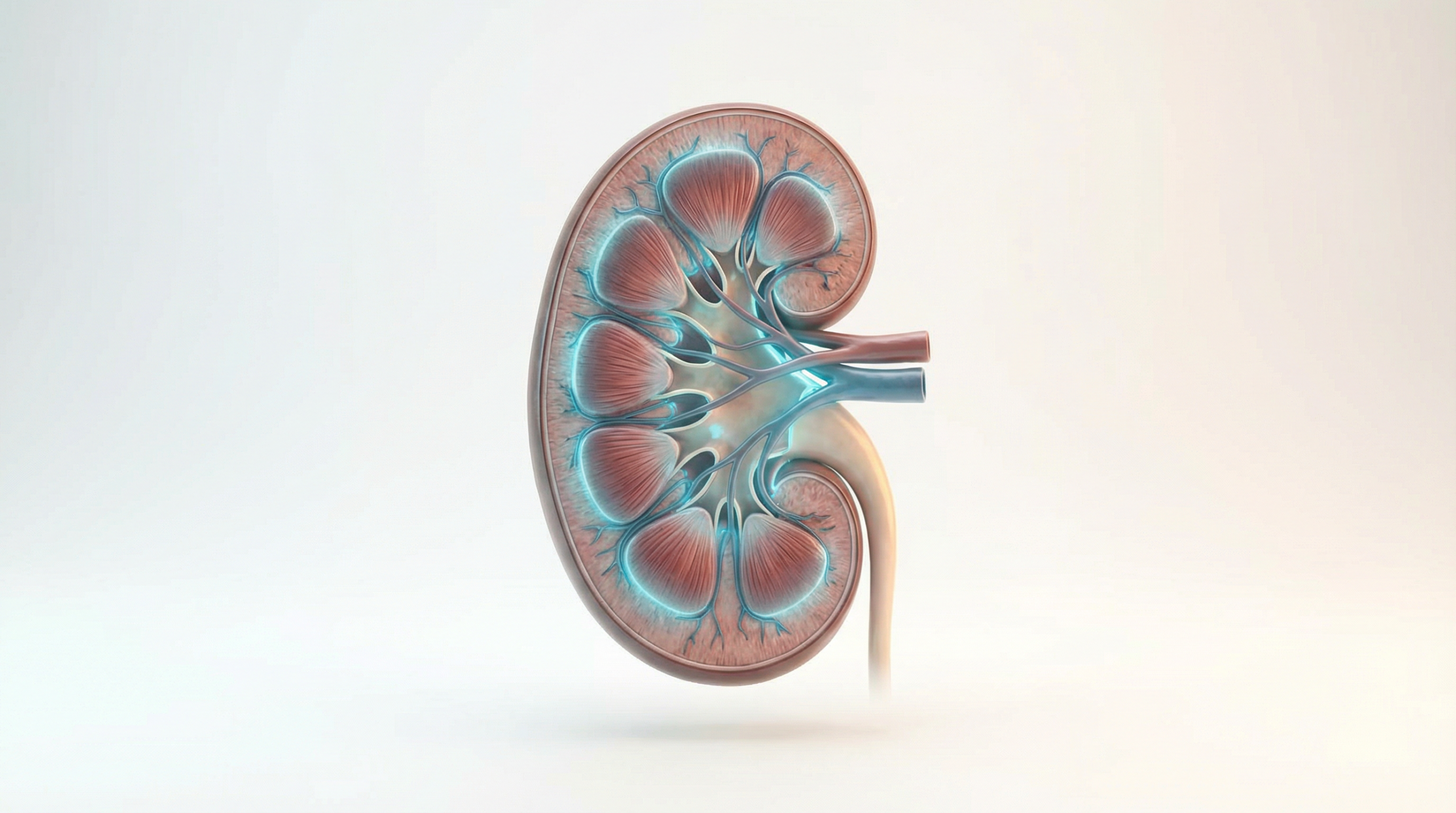

A study from the ATTEMPT program found that short-term dapagliflozin treatment was associated with early molecular and physiological changes in the kidneys of some young people with type 1 diabetes and hyperfiltration. The findings are promising for research, but they do not show that dapagliflozin prevents kidney failure or that it should be started routinely in type 1 diabetes.
What is the ATTEMPT study?
ATTEMPT is a research program studying whether carefully monitored SGLT2 inhibition can affect early kidney changes in youth with type 1 diabetes. The new report looked at dapagliflozin, a medicine that lowers blood glucose by increasing glucose loss in the urine.
The randomized study included 98 young people aged 12 to 21 with type 1 diabetes and hyperfiltration, an early change in kidney function that may be associated with later kidney risk. Participants received either dapagliflozin 5 mg or placebo for 16 weeks under trial conditions that included ketone monitoring and risk-mitigation instructions.
What did the researchers measure?
The researchers studied kidney function, kidney oxygenation, urine proteins and molecular signals in kidney tissue. Research kidney biopsies were performed only in adults aged 18 or older at three study sites. The biopsy analysis included a small subset of participants: 16 baseline biopsies, 11 follow-up biopsies and 27 biopsies in the single-cell dataset.
In the kidney tissue, dapagliflozin was associated with changes in pathways involved in glucose use, oxidative stress, inflammation, blood-vessel signaling and podocyte structure. The researchers also reported attenuation of hyperfiltration and more normal kidney oxygenation. More than half of the responsive genes shifted toward patterns seen in healthy controls.
What does this mean for people with type 1 diabetes?
These results suggest that an SGLT2 inhibitor may influence several early kidney processes in a research setting. They help explain how a treatment might affect kidney biology before obvious kidney disease develops.
However, the study was short, and the biopsy sample was small. Molecular changes are not the same as proof of long-term protection. The study did not establish that dapagliflozin prevents chronic kidney disease, dialysis, heart disease or death in people with type 1 diabetes.
Why is safety especially important?
SGLT2 inhibitors can increase the risk of diabetic ketoacidosis (DKA), including DKA that may occur without very high glucose levels. People with type 1 diabetes are particularly vulnerable because they depend on insulin. The American Diabetes Association’s 2026 Standards of Care highlights the need for ketone education and risk-mitigation planning when SGLT inhibition is used.
Because of this risk, the study’s results should not be read as a recommendation to obtain or start dapagliflozin outside an appropriate clinical setting. Anyone with type 1 diabetes who is considering a medicine that affects ketones should discuss the risks, monitoring plan and sick-day rules with a specialist.
Questions to ask a diabetes team
- Is this treatment approved and appropriate for my condition where I live?
- What is my personal risk of DKA?
- How and when should I check blood or urine ketones?
- What should I do during illness, fasting, reduced food intake, dehydration or an insulin-delivery problem?
- Which symptoms should prompt urgent assessment?
Bottom line
The ATTEMPT report provides early evidence that carefully monitored dapagliflozin treatment can affect kidney biology in some young people with type 1 diabetes and hyperfiltration. It is an important research finding, not proof of long-term kidney protection and not a reason to self-start an SGLT2 inhibitor. For type 1 diabetes, any use of this medicine requires specialist oversight and a clear plan to reduce and recognize DKA risk.
Sources:
- PubMed: SGLT2 inhibition modulates metabolic, vascular, and inflammatory molecular markers in the kidney in youth with type 1 diabetes
- Science Translational Medicine: study report
- Nature Medicine: ATTEMPT randomized clinical trial
- American Diabetes Association: Standards of Care in Diabetes – 2026, Pharmacologic Approaches to Glycemic Treatment
This article is for general information and does not replace advice from a qualified healthcare professional.