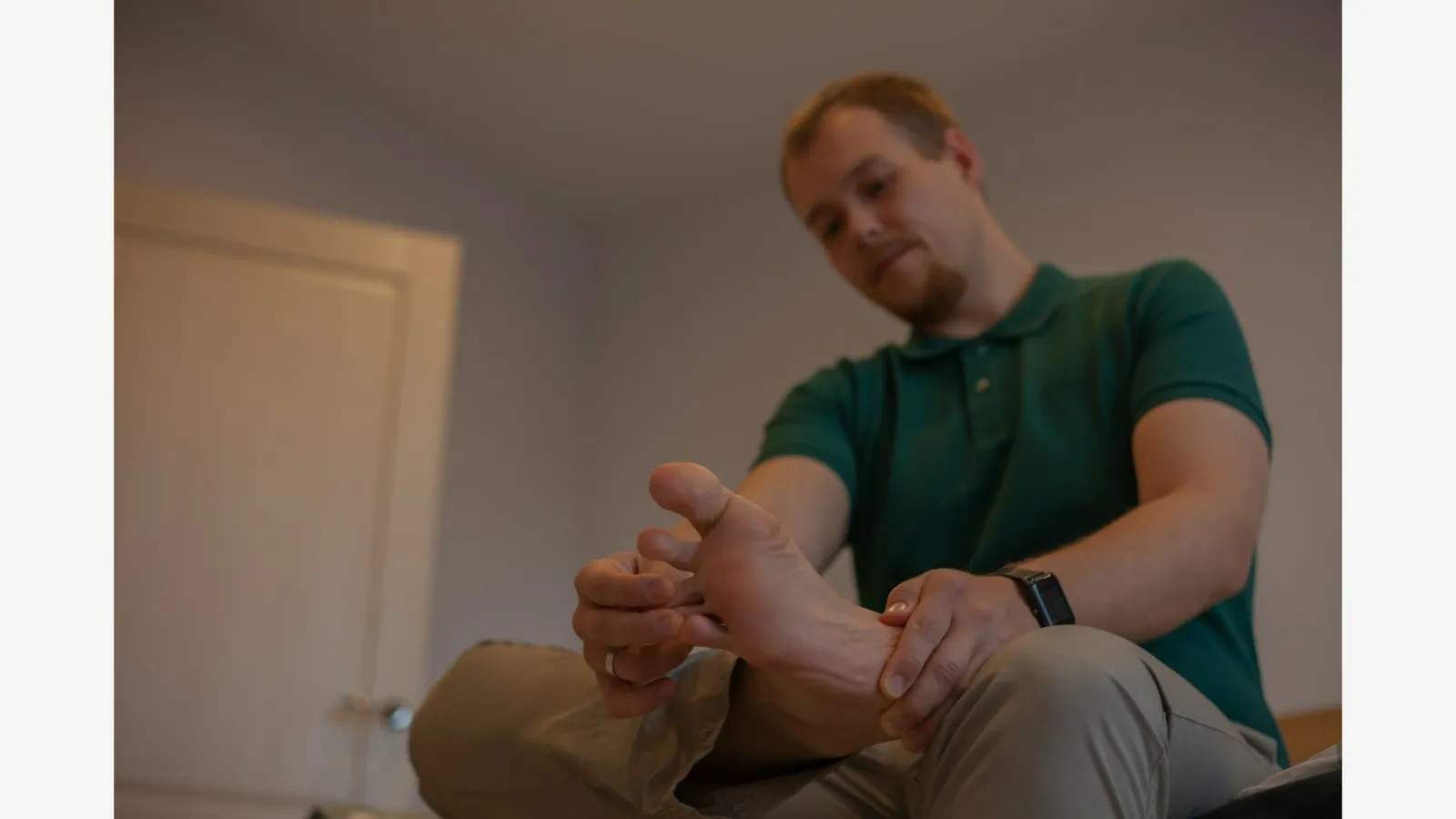
For adults with diabetes who have tingling, burning, numbness or foot concerns.
Diabetic peripheral neuropathy is nerve damage that often begins in the toes and feet. It may feel like burning, tingling, electric pain, sensitivity to light touch or numbness. Some people have no symptoms, which is why routine assessment matters.
Doctors first rule out other causes of neuropathy. Diabetes is common, but vitamin deficiency, thyroid disease, alcohol, kidney disease, medicines, trapped nerves and other neurological conditions can also cause symptoms.
Quick answer
The 2026 ADA Standards recommend assessing people with type 2 diabetes for peripheral neuropathy from diagnosis and people with type 1 diabetes beginning five years after diagnosis, then at least annually. Assessment includes symptoms, temperature or pinprick, vibration and annual 10-g monofilament testing to identify feet at risk. Treatment focuses on glucose and cardiovascular risk management, foot protection and symptom relief.
Key points
- Numbness may be more dangerous than pain because injuries go unnoticed.
- Better glucose management can prevent or slow neuropathy, especially in type 1 diabetes.
- Pain treatment reduces symptoms but does not necessarily reverse nerve damage.
- Opioids are generally not recommended for diabetic neuropathic pain.
Common symptoms
Symptoms often affect both feet in a stocking pattern and may worsen at night. They can include burning, pins and needles, stabbing pain, reduced temperature sensation, loss of balance or pain from socks and bedding. Weakness or rapidly progressive symptoms are less typical and need assessment.
Autonomic neuropathy affects nerves that control organs and can cause dizziness on standing, digestive problems, bladder symptoms, sexual dysfunction or reduced awareness of hypoglycaemia. These symptoms require a broader review.
How neuropathy is assessed
Clinical history
The clinician asks about pattern, duration, alcohol, medicines, nutrition, back symptoms and other conditions. The distribution can suggest whether diabetes is the likely cause.
Foot and neurological examination
Testing may include vibration with a tuning fork, pinprick or temperature, reflexes and monofilament sensation. Skin, pulses, footwear and deformity are also assessed.
Laboratory tests
Depending on the history, tests may check vitamin B12, thyroid function, kidney function, blood counts or other causes. Metformin use is one reason B12 may be considered.
Specialist tests
Nerve-conduction studies or neurology referral may be used when symptoms are unusual, one-sided, rapidly progressive, mainly motor, or unclear.
Treatment and protection
Glucose management, blood pressure, lipids, weight and smoking all matter for nerve and vascular health. Pain medicines recommended as initial options by the ADA include certain gabapentinoids, serotonin-noradrenaline reuptake inhibitors, tricyclic antidepressants and sodium-channel blockers. Choice depends on sleep, mood, kidney function, falls risk, other medicines and side effects.
Daily foot checks, appropriate footwear and podiatry support reduce the chance that numbness becomes an ulcer. Physical therapy may help balance and function. No supplement or device should be assumed to regrow nerves because of marketing claims.
Choosing treatment for painful neuropathy
The aim is usually meaningful improvement in sleep, walking or daily function, not complete elimination of every sensation. Different medicine classes have different adverse effects. Drowsiness, dizziness, swelling, constipation, blood-pressure effects, sexual side effects and kidney dosing may influence the choice. Start and review treatment with one clear functional goal.
A pain diary can record sleep, walking, falls, pain intensity and adverse effects for a few weeks. If a medicine gives little benefit at a tolerated dose, the clinician may adjust or switch it rather than adding treatments indefinitely. Psychological strategies, sleep support and physical therapy can complement medicine without implying that the pain is imaginary.
Topical treatment may help selected localised symptoms, while widespread or severe pain often needs a broader plan. Opioids carry substantial risk and are generally discouraged for chronic diabetic neuropathic pain. Do not combine sedating medicines or increase doses without review.
Protecting a numb foot every day
Set a fixed time for inspection, such as before putting on socks. Use a mirror for the soles and between toes. Check shoes by hand before wearing them, avoid barefoot walking and test bath water with an area that has normal sensation or a thermometer.
Balance problems deserve attention even without pain. Good lighting, handrails, strength and balance work, vision correction and a medication review can reduce falls. A podiatrist can address callus and footwear; callus should not be cut or treated with acid products at home.
When the pattern is not typical
One-sided symptoms, marked weakness, rapid progression, symptoms beginning in the hands, severe back pain or loss of bladder or bowel control are not the usual slow symmetrical pattern. They need prompt assessment for another neurological or spinal cause.
Ask for a copy of the foot-risk category and examination findings. Knowing whether protective sensation or pulses are reduced helps explain why follow-up, footwear and podiatry recommendations differ between people who share the same diagnosis.
Common mistakes to avoid
- Assuming all foot pain is neuropathy.
- Increasing over-the-counter pain medicines without checking kidney or cardiovascular risk.
- Walking barefoot because the feet feel numb rather than painful.
- Using heating pads on reduced-sensation skin.
- Ignoring new weakness, asymmetry or rapid progression.
Frequently asked questions
Can diabetic neuropathy be reversed?
Symptoms may improve, especially when another cause is treated, but established nerve damage may persist. The goals are to slow progression, relieve symptoms and prevent injury.
Why do I need a foot test if I have no pain?
Many people with diabetic peripheral neuropathy have no symptoms. Monofilament testing identifies loss of protective sensation.
Are vitamins helpful?
They may help when a true deficiency exists. Ask for an assessment before buying high-dose supplements; do not assume they are a treatment for diabetes-related nerve damage.
When to get urgent help
Seek urgent assessment for a foot wound, spreading redness, a hot swollen foot, sudden weakness, loss of bladder or bowel control, rapidly ascending numbness, severe new back pain or signs of infection.
The bottom line
Peripheral neuropathy is more than pain. Screening finds silent loss of sensation, assessment looks for treatable causes, and daily foot protection prevents small injuries from becoming major problems.
Related Living Diabetes guides
Sources and further reading
- ADA Standards of Care 2026: Neuropathy and foot care
- NIDDK: Diabetic neuropathies
- CDC: Your diabetes care team
This article is for general education and does not diagnose neuropathy or recommend an individual medicine.