Food cravings are a powerful and often perplexing experience, frequently striking without the immediate need for sustenance. This article delves into the intricate psychological underpinnings of these desires, exploring the complex interplay of brain chemistry, hormonal fluctuations, and environmental cues that drive such intense urges. We will also provide practical, evidence-based strategies for effectively managing cravings, particularly for individuals navigating the challenges of diabetes.
The Brain’s Reward System
At the heart of food cravings lies the brain’s reward system, a sophisticated network of circuits that evolved to encourage survival behaviours like eating. When we consume highly palatable foods—those rich in sugar, salt, and fat—our brains release a neurotransmitter called dopamine. This “feel-good” chemical creates a sense of pleasure and reinforces the behaviour, making us want to repeat it. The hypothalamus, a small but mighty region of the brain, plays a central role in regulating these responses, along with appetite and stress.
Over time, the repeated consumption of these foods can lead to changes in the brain. The reward system can become less sensitive, requiring more of the food to achieve the same level of pleasure. This phenomenon, known as tolerance, is a hallmark of addiction and is one reason why it can be so difficult to resist cravings for unhealthy foods.
ℹ️ Understanding Dopamine
Dopamine is a neurotransmitter that plays a crucial role in motivation, pleasure, and reward. Its release in response to certain foods can create a powerful drive to seek out those foods again, contributing significantly to the experience of food cravings.
Hormonal Influences
Hormones also play a significant role in food cravings. Here are some of the key players:
- Ghrelin: Often called the “hunger hormone,” ghrelin is released from the stomach when it’s empty. It signals the brain that it’s time to eat, and it can also intensify cravings.
- Leptin: Produced by fat cells, leptin has the opposite effect of ghrelin. It signals satiety, letting the brain know that the body has had enough to eat. When leptin levels are low, or when the brain becomes resistant to its signals, cravings can increase.
- Cortisol: This stress hormone can have a profound impact on food cravings. When we’re stressed, our bodies release cortisol, which can increase our appetite and make us crave high-calorie “comfort” foods.
- Serotonin: This neurotransmitter is involved in mood regulation. Low levels of serotonin can lead to cravings for carbohydrate-rich foods, as carbohydrates can temporarily boost serotonin levels.
Psychological and Environmental Triggers
Food cravings are not just a matter of biology; they are also heavily influenced by our thoughts, feelings, and surroundings. Here are some common psychological and environmental triggers:
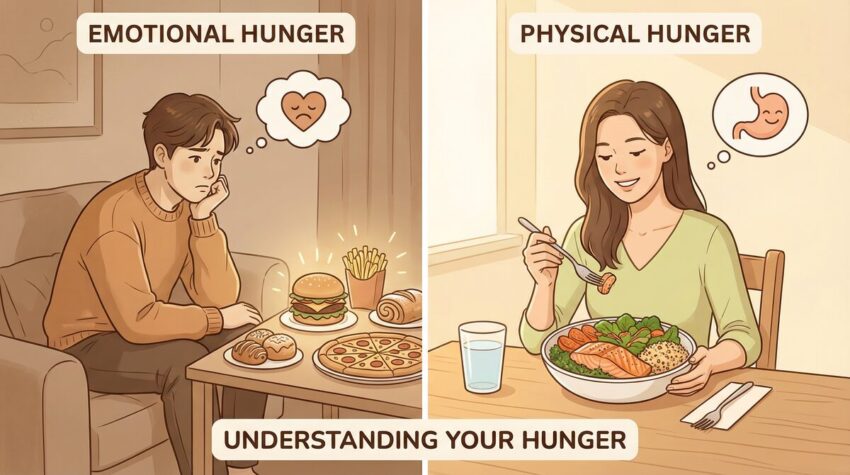
- Mood: Stress, anxiety, and sadness can all trigger cravings for comfort foods. This is because these foods can temporarily boost our mood by increasing levels of dopamine and serotonin.
- Habit: We often associate certain foods with specific activities or times of day. For example, we might crave popcorn at the cinema or a sweet treat after dinner. These habits can be powerful drivers of cravings.
- Sensory Cues: The sight, smell, or even the thought of a particular food can be enough to trigger a craving. This is because our brains have formed strong associations between these cues and the pleasurable experience of eating the food.
- Food Deprivation: Restrictive diets can backfire by increasing cravings for the very foods we are trying to avoid. This is because the act of restricting a food can make it seem more desirable.
⚠️ The Danger of Restrictive Diets
While it might seem counterintuitive, overly restrictive diets can often intensify food cravings. When certain foods are completely forbidden, they can become even more appealing, leading to a cycle of deprivation and eventual overconsumption. A balanced approach is often more sustainable.
Managing Food Cravings
While food cravings can be powerful, they are not insurmountable. Here are some practical strategies for managing them:
- Eat Regular, Balanced Meals: Eating regular meals and snacks throughout the day can help to keep blood sugar levels stable and prevent the intense hunger that can lead to cravings.
- Stay Hydrated: Sometimes, we mistake thirst for hunger. Before giving in to a craving, try drinking a glass of water and waiting a few minutes to see if the craving subsides.
- Practice Mindful Eating: Pay attention to your body’s hunger and fullness cues. Eat slowly and savour each bite. This can help you to feel more satisfied with smaller portions and reduce the likelihood of overeating.
- Identify and Manage Triggers: Pay attention to the situations, emotions, and thoughts that trigger your cravings. Once you know your triggers, you can develop strategies for avoiding or coping with them.
- Find Healthy Alternatives: If you’re craving something sweet, try a piece of fruit or a small square of dark chocolate. If you’re craving something salty, try a handful of nuts or some air-popped popcorn.
✅ Key Takeaway
Food cravings are a complex interplay of biological, psychological, and environmental factors. By understanding these influences and implementing practical strategies such as balanced eating, mindful consumption, and trigger identification, individuals, especially those with diabetes, can effectively manage cravings and foster a healthier relationship with food.
 Urdu
Urdu  English