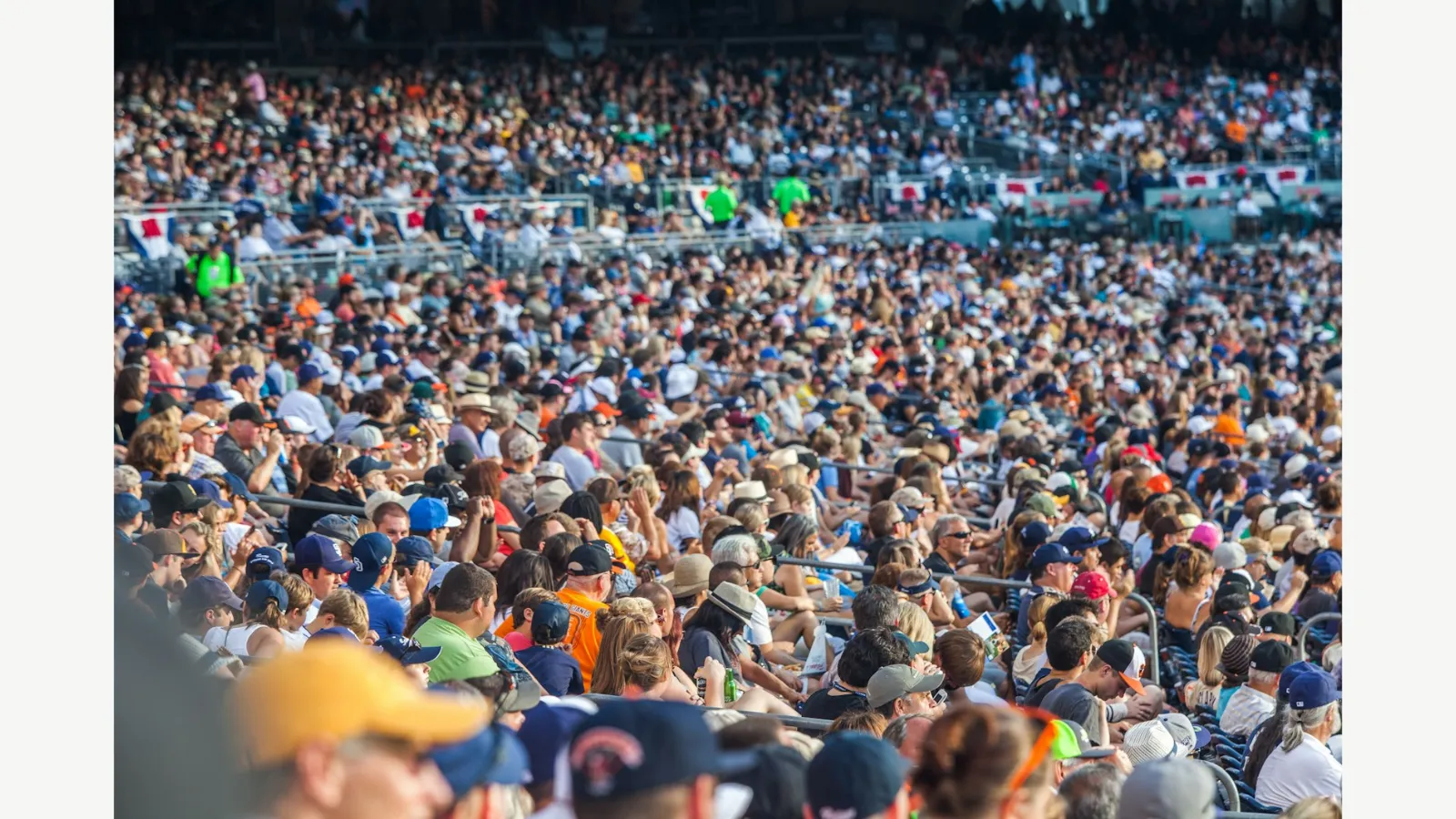
For people attending football, concerts or other large events.
A stadium day can include long transport, security checks, unfamiliar food, alcohol, excitement and more walking than expected. None of this rules out attending with diabetes. The goal is to keep essential treatment accessible and make a plan for delays.
Quick answer
Check the venue’s medical-bag, food, drink and device rules in advance. Carry more medication and monitoring supplies than the event should require, plus fast-acting carbohydrate, identification and a backup for technology failure. Keep insulin within its recommended temperature range. Tell a companion what severe hypoglycaemia looks like and where emergency treatment is kept.
Key points
- Medical supplies should stay with you, not in a car or distant locker.
- Walking, heat, cold, alcohol and delayed food can alter glucose.
- Venue food is variable, so estimate conservatively and monitor the response.
- A phone is useful but should not be the only route to monitoring, tickets and help.
Before the event
Read the accessibility and security policy
Search the official venue page for medical exceptions, permitted bag size, outside food, liquids, needles, batteries and charging packs. Save the policy or contact accessibility services if the wording is unclear.
Pack a compact diabetes kit
Include medication, glucose and ketone supplies where indicated, fast-acting carbohydrate, longer-acting food, water access, spare batteries or charging, identification and contact details. If using a pump or CGM, bring the backup equipment specified by your diabetes team.
Plan transport and entry
Allow time for queues and security. Know where the medical room, accessible entrance, toilets and quiet areas are. If you are going alone, share your travel and return plan with someone.
Brief one companion
Explain the signs of severe low glucose, how to help and when to call emergency services. If you carry glucagon, ensure the person understands the device rather than relying on written instructions during a crisis.
Food and drink in the stadium
Menus may not provide nutrition information. Use familiar comparisons and monitor when the estimate is uncertain. Fried food and large mixed meals can cause a delayed glucose rise. Sweet drinks may be useful for treating a low but can be difficult to portion as an ordinary drink.
Alcohol can increase the risk of delayed hypoglycaemia, especially with insulin or sulfonylureas, and can make symptoms harder to recognise. Eat appropriately, pace intake, alternate with non-alcoholic fluids and follow your personal advice. Never use alcohol to correct high glucose.
Activity and weather
Walking from transport, climbing steps and standing for long periods may be significant activity. Hot or cold weather can make diabetes management harder, and temperature extremes can damage supplies. Check glucose according to your plan and protect supplies from direct sun, freezing and water.
A match-day timeline
Before leaving, confirm that tickets, identification and medical supplies are in the bag and that the phone is charged. Eat and take medicines according to your usual plan unless your clinician has provided event-specific advice. Check transport disruption so a planned two-hour outing does not become a six-hour fast.
At the gate, tell security calmly that the bag contains medically necessary supplies if a question arises. Keep insulin, hypo treatment and monitoring equipment with you. Once inside, locate the medical room and toilets before the crowd builds.
At half-time or an interval, review glucose, hydration and remaining supplies. Excitement can mask early symptoms, and a crowded concourse may delay access to food. After the event, consider the walk back, alcohol already consumed and delayed effects of activity before driving or travelling alone.
If venue food is hard to estimate
Use a familiar comparison: the bun, chips, pizza base, sweet drink or dessert usually provides most of the carbohydrate. Mixed high-fat meals may raise glucose later, so repeated early correction can create a low before the delayed rise. Follow your personal correction rules and monitor rather than chasing a perfect number.
If ingredients are uncertain because of allergy, coeliac disease or another medical need, contact the venue in advance or bring permitted food. A diabetes label does not make an item suitable for every dietary condition.
Plan for the journey as well as the event
Crowded trains, traffic and closed food outlets can create more risk than the match itself. Keep one complete set of essential supplies and treatment with you until you are home. If staying overnight, pack replacement equipment and prescriptions separately from luggage that could be lost. A safe return plan includes sobriety, glucose recovery and enough charge or cash to change transport.
Common mistakes to avoid
- Packing fast-acting carbohydrate at the bottom of a checked bag.
- Leaving insulin in a hot or freezing car.
- Assuming excitement explains all sweating, confusion or shakiness.
- Giving repeated correction doses for a high reading after a fatty meal without following the individual plan.
- Becoming separated from the person who knows the emergency plan.
Frequently asked questions
Can security stop me carrying needles or food?
Policies and laws vary. Many venues permit medically necessary supplies and food, but documentation or a specific entrance may be required. Confirm before travel.
What if my sensor loses signal in the crowd?
Follow your backup monitoring plan. Crowded networks can also affect phone-based displays, tickets and communication, so save essential information offline.
Should I change insulin because I will walk more?
Use your personal activity plan. The effect depends on intensity, timing, food and insulin on board. Ask your diabetes team before the event if you are unsure.
When to get urgent help
Get event medical staff or emergency services for severe hypoglycaemia, loss of consciousness, a seizure, chest pain, heat illness, serious injury, repeated vomiting, significant ketones or suspected diabetic ketoacidosis.
The bottom line
A good stadium plan keeps diabetes care close, simple and private. Confirm the rules, prepare for delay and technology failure, and make sure at least one person knows how to help.
Related Living Diabetes guides
Sources and further reading
This article is for general education. Venue rules and individual diabetes plans vary.