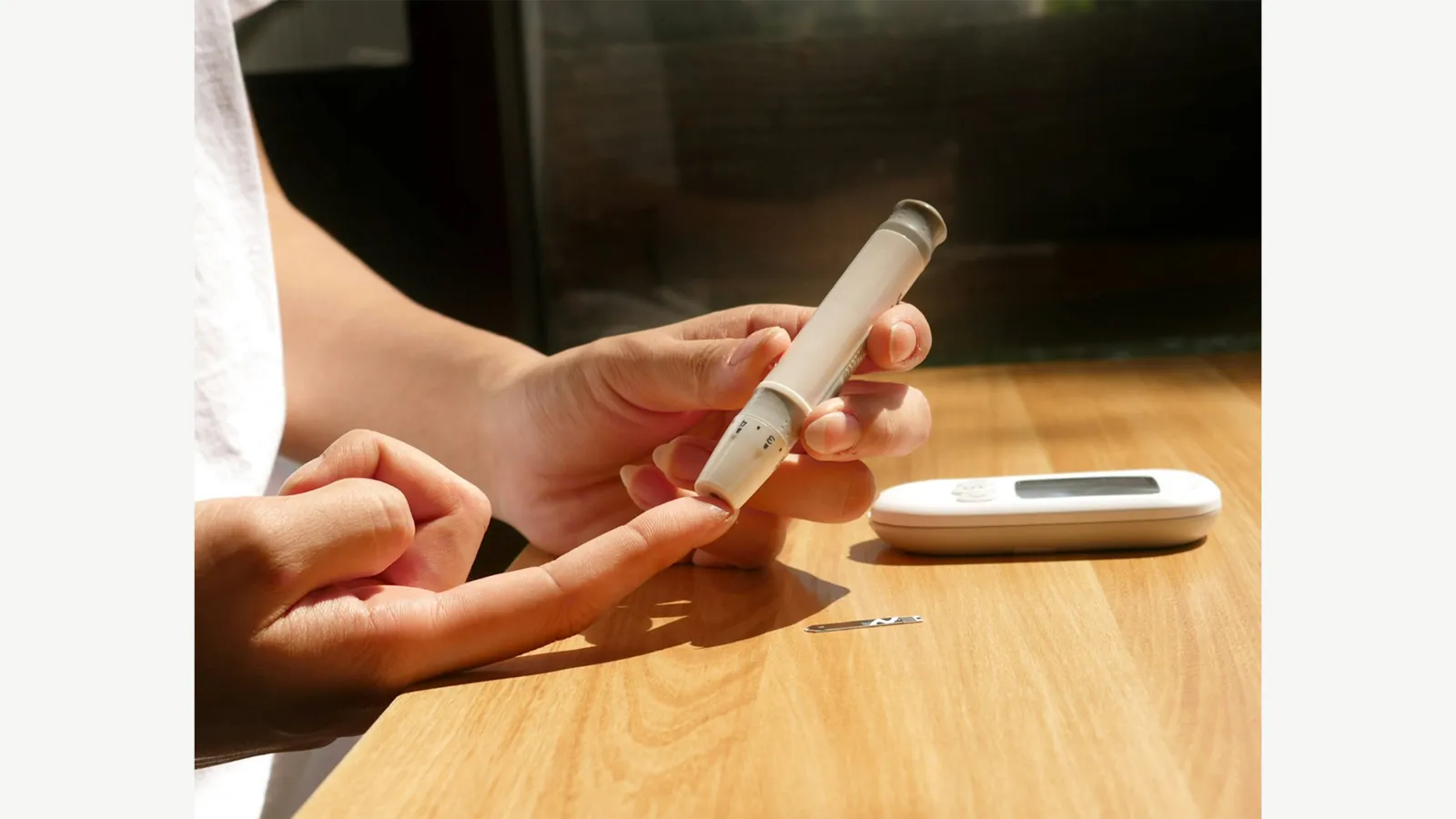
For readers, families, employers, schools and community organisations.
Diabetes campaigns often use a month, colour or hashtag to attract attention. The calendar varies by country, and World Diabetes Day is observed on 14 November. Awareness does not belong to one month. The most useful messages help people take a concrete next step.
Quick answer
Meaningful diabetes awareness means recognising symptoms, understanding risk, supporting evidence-based screening, reducing stigma and improving access to diabetes self-management education and support (DSMES). It also means listening to people living with diabetes instead of speaking about them as a cautionary story.
Key points
- Diabetes includes several conditions with different causes and treatments.
- Type 1 diabetes is not caused by diet or lack of effort.
- Type 2 diabetes risk is shaped by biology, environment and social conditions as well as behaviour.
- Awareness messages should lead to action, access and respect.
Four facts worth sharing accurately
Type 1 and type 2 diabetes are not interchangeable
Type 1 diabetes is an autoimmune disease requiring insulin. Type 2 diabetes involves insulin resistance and progressive beta-cell dysfunction and may be treated with lifestyle support, tablets, injections, insulin or surgery depending on the person.
Prediabetes is a risk state, not a personal verdict
Prediabetes identifies glucose levels above the usual range but below the diabetes threshold. Structured lifestyle programmes can reduce progression for many people, and treatment should consider cardiovascular risk and individual circumstances.
Symptoms can be subtle or urgent
Thirst, frequent urination, tiredness, blurred vision and unintentional weight loss deserve assessment. Vomiting, abdominal pain, deep breathing, confusion or significant ketones can signal diabetic ketoacidosis and need urgent care.
Support improves outcomes
Diabetes self-management education and support helps people build practical skills for medicines, monitoring, food, activity and problem-solving. It is not a remedial class for people who have done something wrong.
A practical 30-day awareness plan
Week one: learn the differences between diabetes types and review warning symptoms. Week two: check whether you or a family member is due for screening or follow-up. Week three: improve one environment, such as access to water, food, medication or glucose monitoring at work or school. Week four: support a reputable service, advocacy group or research programme.
Community organisations can offer screening referral rather than stand-alone finger-prick events without follow-up. Employers can review accommodation policies. Schools can update diabetes management plans. Media outlets can use person-first language and avoid blame.
How to talk about diabetes without stigma
Avoid calling people “non-compliant”, “bad diabetics” or responsible for their diagnosis. Do not post before-and-after bodies as proof of virtue. Use language that describes a clinical result or barrier: glucose is above range, treatment is difficult to access, the plan is burdensome, or side effects are limiting use.
Ask people what support would make care easier. The answer may be transport, interpretation, affordable medicine, flexible work, mental-health care or help using technology rather than more information.
Turn awareness into measurable access
A workplace can count how quickly an employee receives an accommodation decision, not just how many people attended a webinar. A school can audit whether every student with diabetes has an up-to-date management and emergency plan. A clinic can track referrals to diabetes self-management education, interpreter use and missed appointments linked to transport or cost.
Community screening needs a follow-up pathway. A one-off glucose check is not a complete diagnosis, and an abnormal result should lead to confirmatory testing and care. Before running an event, decide who will explain the result, where the person can be seen, how urgent readings will be handled and whether the referral is affordable.
A responsible social-media checklist
Before sharing a diabetes post, check whether it distinguishes type 1, type 2, gestational and other forms when relevant. Replace blame-based language with precise clinical wording. Link to a credible source and give the reader one safe action, such as arranging screening, learning warning signs or finding an education programme.
Do not present a dramatic complication as inevitable. Avoid implying that a supplement, food or device prevents diabetes. Obtain explicit consent before sharing a patient’s image or story, and remember that consent to clinical care is not consent to publicity.
Actions for different audiences
Individuals can learn symptoms and review their own screening or follow-up. Families can ask what support is welcome. Clinicians can identify one access barrier at each visit. Employers and schools can make food, water, monitoring and treatment accessible. Journalists and creators can interview people living with diabetes as experts in their own experience.
Choose a campaign outcome before creating content
Decide whether the goal is screening attendance, education enrolment, policy change, fundraising or better emergency readiness. Match the call to action to that outcome and confirm the destination can handle referrals. After the campaign, report completed appointments, resources delivered or barriers removed rather than impressions alone. This keeps awareness connected to care.
Common awareness mistakes
- Presenting one food as the cause or cure of diabetes.
- Using fear of amputation or blindness as the main message.
- Treating screening as diagnosis without confirmatory care.
- Sharing personal health stories without consent.
- Measuring campaign success only by views or likes.
Frequently asked questions
When is Diabetes Awareness Month?
November is widely observed as Diabetes Awareness Month in the United States, and World Diabetes Day is 14 November. Local campaigns may use different dates.
What is the most useful awareness action?
Choose an action linked to access: help someone find screening, diabetes self-management education and support (DSMES), affordable treatment, a current sick-day plan or an accommodation.
Should everyone be screened for diabetes?
Screening depends on age, pregnancy and risk factors. Use current national guidance and a healthcare professional rather than a social-media checklist alone.
The bottom line
Good diabetes awareness leaves people more informed, less blamed and better connected to care. A campaign is successful when it changes what someone can recognise, ask for or access after the post is forgotten.
Related Living Diabetes guides
Sources and further reading
- ADA Standards of Care 2026: Improving care and promoting health in populations
- ADA Standards of Care 2026: Diagnosis and classification
- CDC: Diabetes education and support
- CDC: National Diabetes Prevention Program and its evidence
This article is for general education and does not replace screening or diagnosis by a qualified healthcare professional.