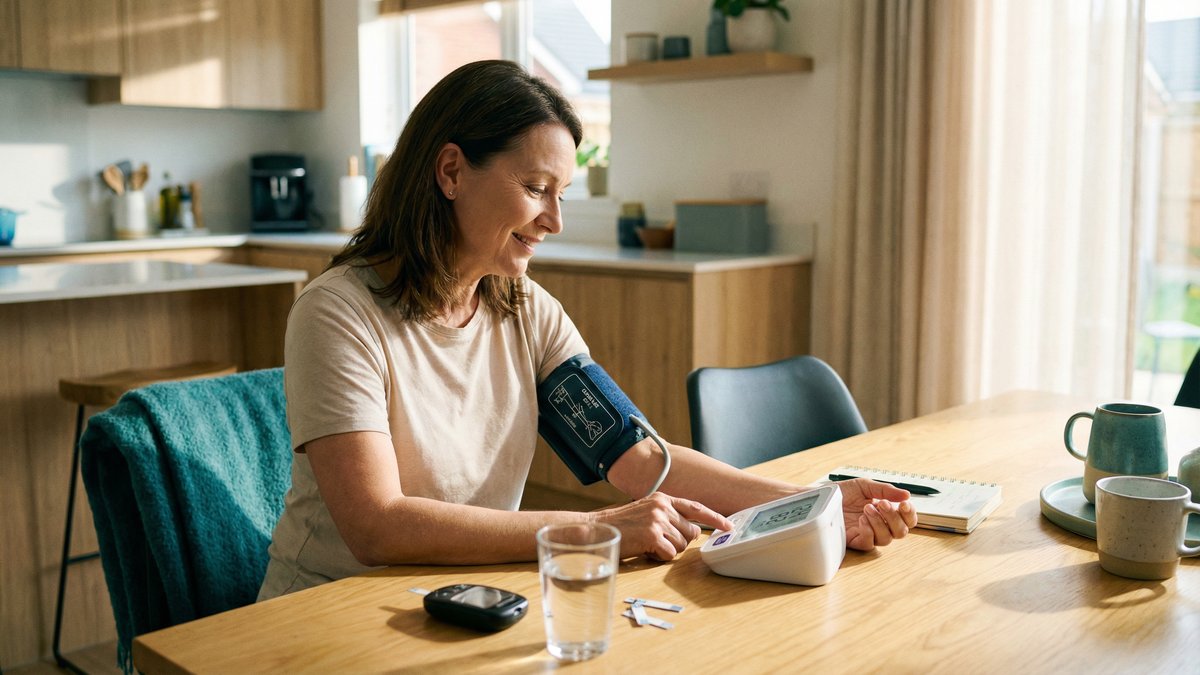
Blood pressure is one of the most important numbers in diabetes care because it affects the heart, brain, kidneys, eyes, and circulation. Many people feel normal even when blood pressure is high.
Quick summary
The goal is not to chase one perfect reading. The goal is to understand patterns, confirm accurate measurement, and reduce long-term cardiovascular and kidney risk.
Key takeaways
- High blood pressure can be silent.
- Diabetes and kidney disease can make blood pressure control especially important.
- Home readings may help when taken correctly and reviewed with a clinician.
- Medicine, sodium intake, sleep, alcohol, pain, stress, and missed doses can all affect readings.
Why blood pressure matters in diabetes
High blood pressure puts extra force on blood vessel walls. In diabetes, blood vessels and kidneys may already be vulnerable, so persistent hypertension can increase risk of heart attack, stroke, kidney disease, vision loss, and heart failure.
Guideline targets are individualized. Age, kidney disease, dizziness, pregnancy, medication tolerance, and cardiovascular history can change the right goal.
How to make readings more useful
- Use a validated cuff that fits your arm.
- Sit quietly with feet on the floor and back supported.
- Avoid caffeine, exercise, and nicotine shortly before measuring when possible.
- Record the date, time, reading, and any symptoms.
- Bring the cuff and log to visits if readings seem inconsistent.
What treatment can include
Treatment may involve nutrition changes, sodium reduction, physical activity, weight management, sleep assessment, limiting alcohol, and medication. ACE inhibitors, ARBs, calcium channel blockers, diuretics, and other medicines may be used depending on the person.
Do not adjust blood pressure medicine without guidance. Sudden changes can cause dizziness, fainting, kidney problems, or uncontrolled pressure.
Practical takeaway
If you have diabetes, know your usual blood pressure range and ask what target is right for you. Patterns over time matter more than one isolated reading.
Safety note
This article is not a substitute for medical care. Seek urgent care for chest pain, stroke symptoms, severe shortness of breath, fainting, confusion, or very high readings with symptoms.
What to ask your care team
- What does this mean for my diabetes, heart, kidney, medicine, or monitoring plan?
- Which symptoms, readings, or side effects should prompt urgent care?
- Do any tests, prescriptions, follow-up visits, or safety instructions need review?
Related reading
Source summary
- About High Blood Pressure, Centers for Disease Control and Prevention. Public health guidance. Accessed June 3, 2026. Source
- High Blood Pressure, American Heart Association. Patient guidance. Accessed June 3, 2026. Source
- Diabetes and Your Heart, Centers for Disease Control and Prevention. Patient guidance. Accessed June 3, 2026. Source
- Standards of Care in Diabetes 2026, American Diabetes Association. Guideline overview. Accessed June 3, 2026. Source