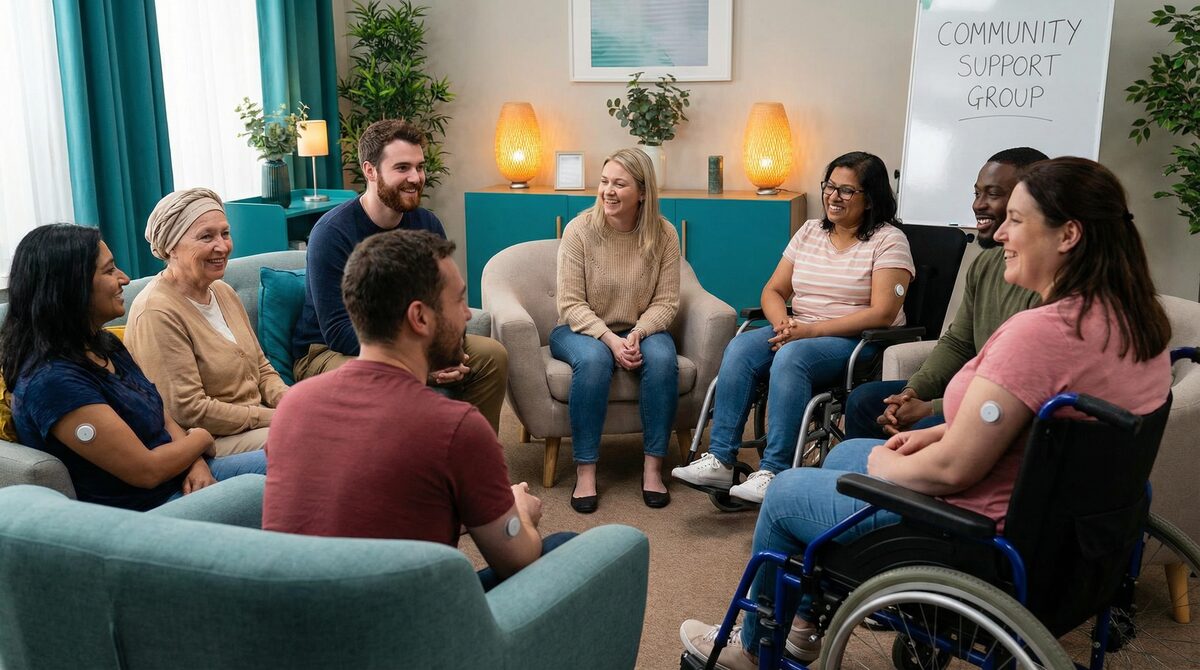
A good diabetes support network is not just a list of people who care. It is a practical system that helps with daily choices, urgent moments, emotional weight, and appointments without taking away independence.
Quick summary
CDC describes diabetes self-management education and support as personalized help for building everyday skills. Family and friends can also help, but the best support is specific, respectful, and based on what the person with diabetes wants.
Key takeaways
- Support works best when each person has a clear role.
- DSMES can provide practical skills for food, activity, medicines, monitoring, and reducing risk.
- Loved ones should ask what kind of help is wanted instead of policing food or numbers.
- Emergency support should include low-glucose treatment, contact numbers, and when to call for help.
Choose roles, not vague promises
One person might be your appointment note-taker. Another might help with insurance calls. A partner may learn low-glucose treatment. A friend may walk with you twice a week. A clinician may adjust medicines, while a diabetes educator helps translate the plan into real meals and routines. Clear roles prevent support from turning into pressure.
Use professional support early
CDC says DSMES helps people learn practical diabetes skills at any stage. It can cover healthy eating, activity, medicines, monitoring, risk reduction, problem solving, and healthy coping. It is especially useful after diagnosis, when treatment changes, when goals are not being met, when complications appear, or during life transitions.
Set boundaries with family and friends
Support is not food policing, scare tactics, public comments about weight, or constant questions about readings. Helpful language sounds like: Do you want help or just someone to listen? What should I do if you are low? Do you want me to come to the visit? What words are not helpful? Boundaries protect the relationship and the diabetes plan.
Create an urgent-care mini plan
People who use insulin or medicines that can cause lows should teach at least one trusted person how to recognize and treat low glucose and when to call emergency services. Keep emergency contacts, medication lists, allergies, glucagon instructions if prescribed, and device basics easy to find. Update the plan after medicine or device changes.
What to ask your care team
- Can I be referred to a DSMES program or diabetes care and education specialist?
- Who in my life should know how to help with low glucose, high glucose, or sick days?
- What support feels helpful, and what support feels like judgment?
- What should my family or friends do in an emergency?
Practical takeaway
The best diabetes support network is specific: the right person, the right role, the right boundary, and the right emergency plan.
Safety note
Seek urgent care for severe low glucose, unconsciousness, seizure, ketones, repeated vomiting, confusion, chest pain, or glucose that stays dangerously high or low despite the care plan. This information is general education and is not a substitute for medical care.
Source summary
- CDC: Diabetes self-management education and support. Explains DSMES, practical skill-building, and how programs support daily care. Source
- CDC: Helping friends and family with diabetes. Guidance for loved ones on useful diabetes support. Source
- CDC: Find a DSMES program. Resource for finding local diabetes education and support programs. Source
- ADA consensus report: DSMES in adults with type 2 diabetes. Professional consensus report on DSMES benefits, timing, and care integration. Source