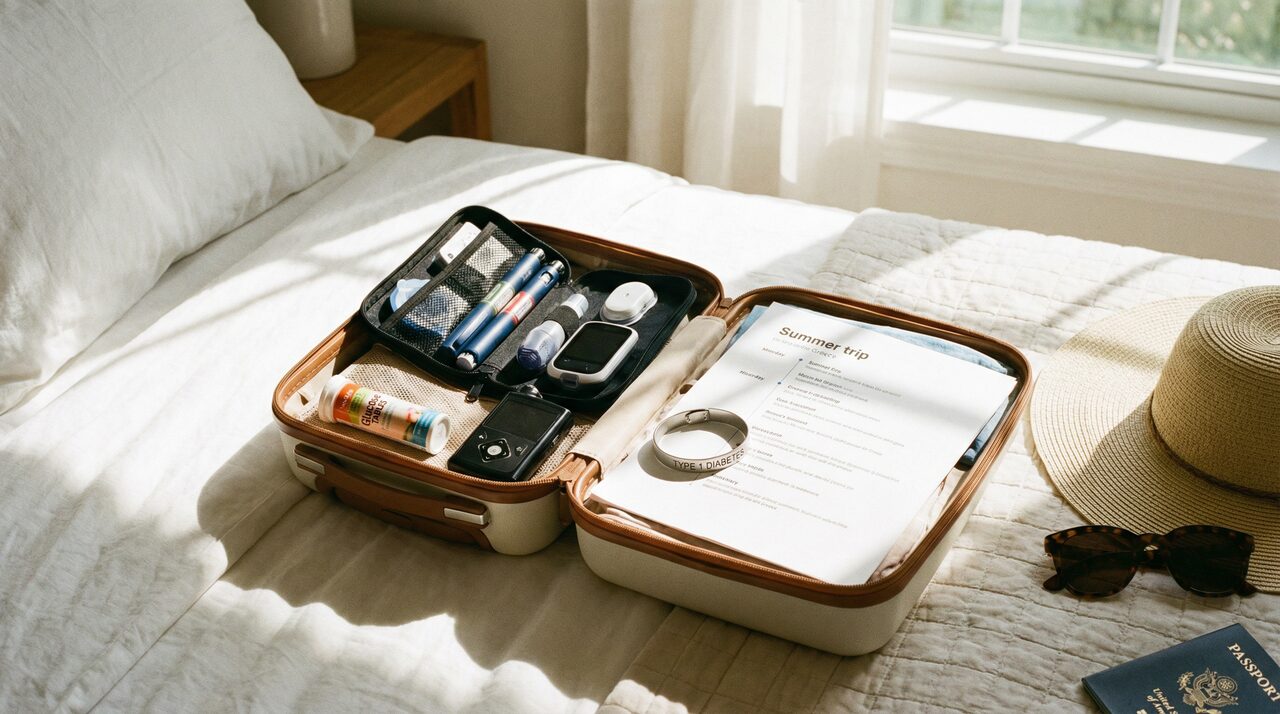
Embracing the tranquility of nature, the crackle of a campfire, and the adventure of the outdoors is a cherished experience for many. Living with diabetes doesn’t mean you have to miss out on camping. With careful planning and preparation, you can enjoy a safe and memorable trip. This guide will walk you through essential considerations, from packing your diabetes supplies to managing blood sugar levels in the wilderness, ensuring your focus remains on the beauty around you.
Key takeaways
- Pack extra diabetes supplies and keep medicines, devices, snacks, and treatment for lows accessible.
- Check manufacturer instructions for heat, water, scanner, and storage limits on your specific products.
- Make a backup plan for delays, illness, lost supplies, and local medical care.
Why this matters when you live with diabetes
Camping introduces unique variables that can impact diabetes management. Changes in routine, increased physical activity, varying meal times, and exposure to different temperatures all play a role. Being away from immediate medical facilities also means self-reliance and preparedness are paramount. Understanding how these factors affect your blood sugar and having a solid plan in place will help prevent complications and allow you to fully immerse yourself in the camping experience.
What to do before you start
Preparation is key to a successful camping trip with diabetes. Start planning well in advance to ensure you have everything you need and are ready for any situation.
Consult Your Healthcare Team
- Discuss your camping plans with your doctor or diabetes educator. They can offer personalized advice and help you create a medication plan if changes are needed, and provide prescriptions for extra supplies.
- Ask for a letter from your doctor explaining your diabetes and the need for your medical supplies, especially if you are traveling by air or across borders.
Pack Smart: Your Diabetes Checklist
Consider packing extra supplies, accounting for potential delays or emergencies. Keep all essential diabetes supplies in your carry-on if flying, or easily accessible in your vehicle.
- Medications: Insulin (if applicable), oral medications, glucagon emergency kit, and any other prescribed drugs.
- Monitoring Supplies: Blood glucose meter, test strips, lancets, continuous glucose monitor (CGM) supplies, and extra batteries.
- Insulin Delivery: Insulin pens, syringes, pump supplies (reservoirs, infusion sets), and backup insulin delivery methods.
- Hypoglycemia Treatment: Fast-acting carbohydrates like glucose tablets, gels, juice boxes, or hard candies.
- Snacks and Meals: Non-perishable snacks, protein bars, and shelf-stable food items to supplement your camping meals.
- Hydration: Plenty of water and electrolyte drinks.
- Foot Care: Comfortable, broken-in shoes, extra socks, and blister treatment.
- First Aid: Standard first aid kit, antiseptic wipes, and bandages.
- Emergency Contact Information: A list of emergency contacts, your doctor’s number, and insurance details.
Practical steps you can use this week
Once you’ve planned, it’s time to put those strategies into action during your trip. These practical tips will help you manage your diabetes effectively while enjoying the outdoors.
Managing Insulin and Medications in Varying Temperatures
Extreme temperatures can affect the efficacy of insulin and other diabetes medications. It’s crucial to protect your supplies.
- Heat Protection: Most insulin is stored in the refrigerator before first use, but many insulin pens and vials have a wider temperature range for in-use storage at room temperature. Check the package insert or manufacturer website for the exact storage and in-use temperature limits for your insulin. In hot weather, use insulated bags with ice packs or cooling pouches, avoid direct sunlight, and do not leave insulin in a hot car. Insulin pumps, meters, and CGM sensors or receivers also have their own labeled temperature and storage limits, which may differ from insulin itself.
- Cold Protection: Do not let insulin freeze. Store it in an inner pocket or wrapped in clothing if temperatures drop significantly.
- Medication Storage: Keep all medications in their original containers and away from moisture.
Blood Glucose Monitoring and Adjustment
Your activity levels and diet will likely change while camping, necessitating more frequent blood sugar checks.
- Check your blood glucose more often than usual, especially before and after physical activity, before meals, and at bedtime.
- Use the plan from your diabetes care team for insulin, medicines, food, and activity changes. Increased physical activity often means you’ll need less insulin or more carbohydrates.
- If using a CGM, be aware that extreme temperatures or sweat can affect sensor adhesion and accuracy.
Staying Hydrated and Fuelled
The CDC notes that dehydration is a concern in hot weather for people with diabetes; it can raise blood sugar levels and make it harder for your body to cool itself. Ensure you drink plenty of water throughout the day, even if you don’t feel thirsty.
- Pack water bottles, and consider a filtration system if local water safety requires it.
- Plan your meals and snacks to align with your activity level. Opt for balanced meals with complex carbohydrates, lean proteins, and healthy fats.
- Always have fast-acting carbohydrates readily available to treat hypoglycemia.
Foot Care and Injury Prevention
Your feet are vital for camping. Protect them from injury and infection.
- Wear comfortable, supportive, and well-fitting shoes.
- Inspect your feet daily for blisters, cuts, or any signs of injury. Treat any wounds promptly to prevent infection.
- Avoid walking barefoot, especially in unfamiliar terrain.
Emergency Preparedness
Even with the best planning, emergencies can happen. Being prepared can make a significant difference.
- Inform your camping companions about your diabetes and how to assist you in case of an emergency, including how to administer glucagon if necessary.
- Wear a medical identification bracelet or necklace.
- Know the location of the nearest medical facility and have a way to communicate in an emergency (e.g., fully charged phone, satellite messenger).
- Carry a small, water-resistant bag with essential emergency diabetes supplies.
When to call your healthcare professional
While camping, certain symptoms warrant immediate attention and may require contacting your healthcare professional or seeking emergency medical care. Do not delay if you experience:
- Persistent high or low blood sugar readings that do not respond to your usual treatments.
- Signs of severe dehydration, such as extreme thirst, dizziness, or reduced urination.
- Symptoms of diabetic ketoacidosis (DKA), including nausea, vomiting, abdominal pain, deep rapid breathing, or fruity-smelling breath.
- Any foot injury that shows signs of infection (redness, swelling, pus, warmth) or does not heal quickly.
- Unexplained fatigue, confusion, or changes in consciousness.
Your safety is paramount. When in doubt, it is always best to err on the side of caution and seek medical advice.
Questions to ask at your next visit
- “Given my camping plans, are there any specific medication adjustments or precautions I should take?”
- “Can you provide a prescription for extra insulin or supplies to cover potential losses or extended trips?”
- “What are the signs of heat-related illness specific to people with diabetes, and how should I respond?”
- “Are there any new technologies or travel accessories that could help me manage my diabetes more effectively while camping?”
Medical note: This article is for education only and does not replace care from your healthcare professional. If you use insulin or medicines that can cause low blood glucose, are pregnant, have kidney disease, heart disease, vision problems, neuropathy, or other diabetes-related complications, discuss changes to food, activity, medicines, devices, or travel plans with your diabetes care team.