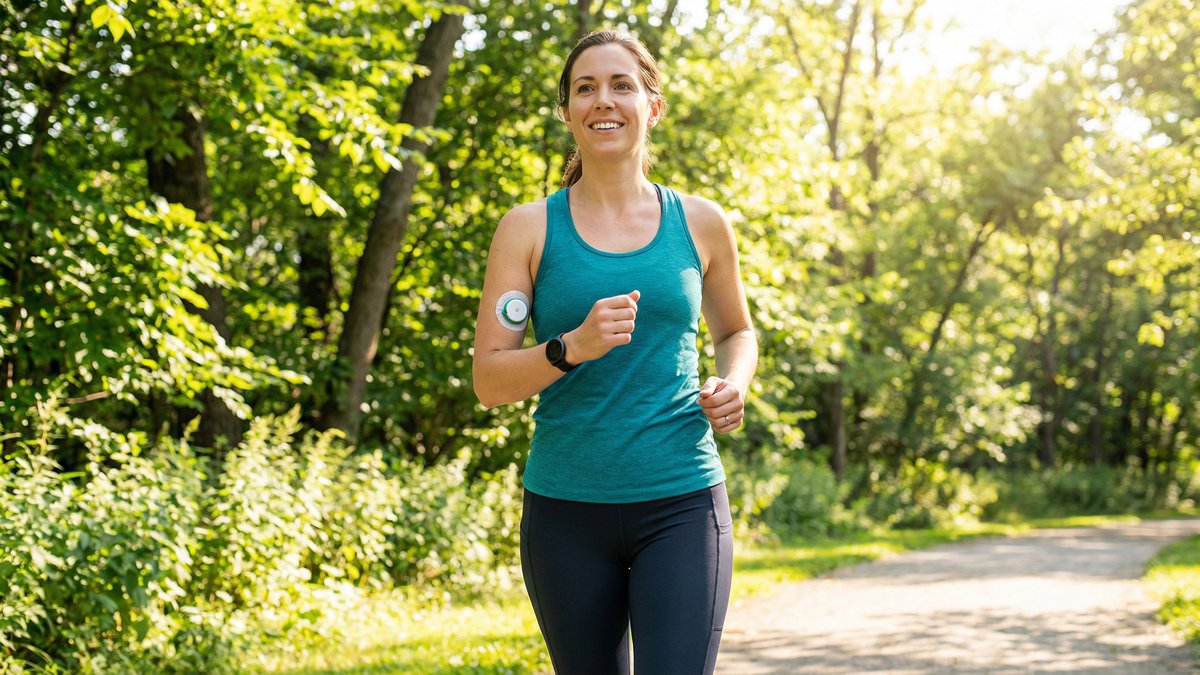
Cardio workouts such as walking, cycling, swimming, dancing, and jogging can improve fitness, but they can also lower blood sugar during or after activity for some people.
Quick summary
Hypoglycemia risk is highest for people who use insulin, sulfonylureas, or other medicines that can cause lows.
Key takeaways
- Check glucose as advised before unfamiliar or longer cardio.
- Carry fast-acting carbohydrate.
- Lows can happen after exercise, including later in the day or overnight.
- Intensity, duration, heat, alcohol, and meal timing all affect risk.
Lower-risk habits
- Start with shorter sessions and increase gradually.
- Avoid exercising alone if you have severe-low risk.
- Carry glucose treatment and medical ID.
- Use CGM trends carefully and confirm readings when symptoms do not match.
- Ask about medicine or snack adjustments before longer workouts.
When exercise may be unsafe
Do not push through chest pain, fainting, severe shortness of breath, confusion, or severe low symptoms. If glucose is very high and ketones are present, exercise may be unsafe.
A cardio plan should include what to do for lows, highs, and symptoms, not only a target heart rate.
A simple workout log can help: time, type of cardio, glucose before and after, food, medicine timing, and any symptoms. Patterns are safer to act on than one unusual reading.
Practical takeaway
Cardio is safest when low-blood-sugar prevention is part of the workout plan from the start.
Safety note
This article is not a substitute for medical care. Seek urgent care for severe low blood sugar, chest pain, fainting, ketones with illness, or symptoms that feel unsafe.
What to ask your care team
- What should I do if glucose is low before cardio?
- How should I prevent delayed lows?
- When should high glucose or ketones stop exercise?
Related reading
Source summary
- Physical Activity and Diabetes, Centers for Disease Control and Prevention. Patient guidance. Accessed June 5, 2026. Source
- Low Blood Sugar, Centers for Disease Control and Prevention. Patient guidance. Accessed June 5, 2026. Source
- Continuous Glucose Monitoring, National Institute of Diabetes and Digestive and Kidney Diseases. Patient guidance. Accessed June 5, 2026. Source
- Diabetes Testing, Centers for Disease Control and Prevention. Patient guidance. Accessed June 5, 2026. Source