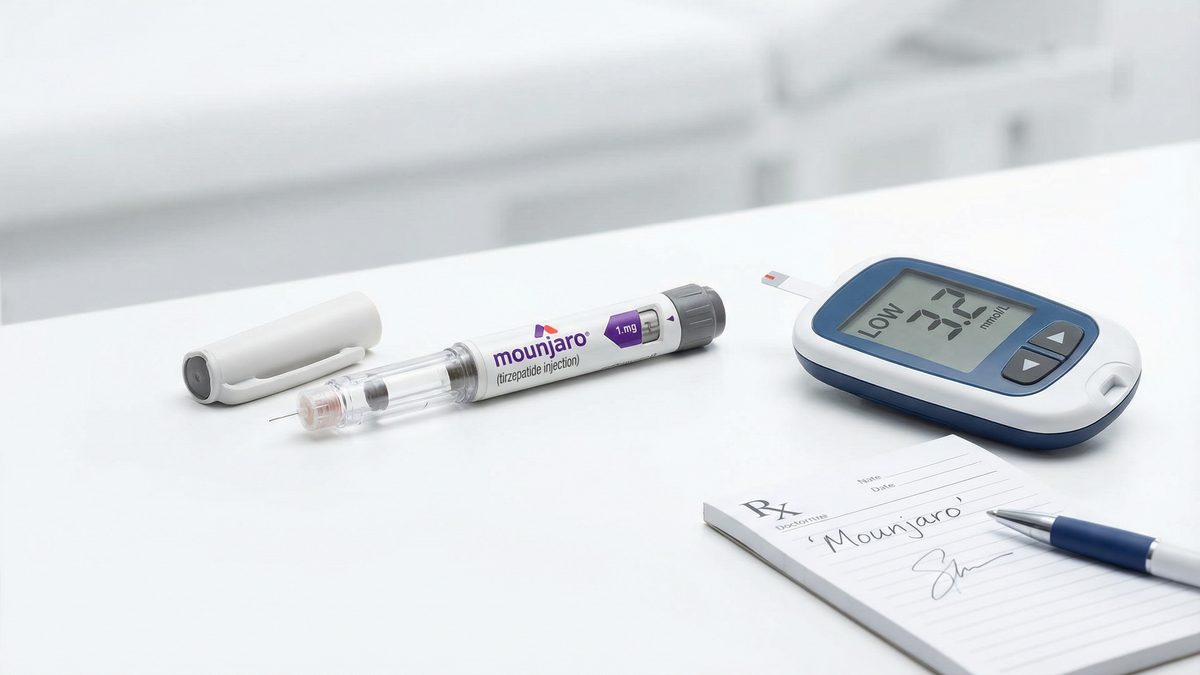
SURMOUNT-MAINTAIN studied what happens after people lose weight with tirzepatide and then either continue treatment, reduce the dose, or switch to placebo.
Quick summary
The Lancet trial found that continuing tirzepatide at the maximum tolerated dose or reducing to 5 mg helped maintain more weight loss than switching to placebo. The study was in adults with obesity and should not be used to change doses without a clinician.
Key takeaways
- This was a randomized maintenance trial in adults with obesity in the United States.
- Continuing tirzepatide maintained more weight loss than switching to placebo.
- A lower 5 mg maintenance dose preserved some benefit but less than maximum tolerated dose in the trial.
- Dose changes should be individualized, especially with diabetes medicines, side effects, cost, and nutrition concerns.
What the trial tested
Participants first received tirzepatide during a weight-loss period. Those who entered the maintenance phase were randomized to continue their maximum tolerated dose, reduce to 5 mg, or switch to placebo. The question was whether weight reduction could be maintained after initial treatment.
What it found
The main message was that continued tirzepatide treatment maintained weight loss better than placebo. Dose reduction to 5 mg also helped compared with placebo, but the maximum tolerated dose maintained more of the weight reduction in the trial.
What it does not prove
The trial does not prove that every person needs the same maintenance dose, that stopping always fails, or that dose decisions should be made from headlines. It also does not replace nutrition, activity, sleep, mental health, and medical follow-up. Trial participants are selected and monitored in ways that may differ from everyday practice, so personal medical history still matters.
Patient questions
People using tirzepatide for diabetes or weight management should discuss side effects, glucose changes, medication interactions, pancreatitis or gallbladder symptoms, pregnancy plans, surgery plans, cost, and long-term goals before changing dose.
What to ask your care team
- What is the goal of tirzepatide in my care: glucose, weight, heart risk, or a combination?
- Should my dose stay the same, reduce, pause, or change based on side effects and goals?
- How should I monitor glucose if I also use insulin or sulfonylureas?
- What symptoms should make me stop and call urgently?
Practical takeaway
SURMOUNT-MAINTAIN supports the idea that obesity medication often needs a maintenance plan, but the plan should be made with the clinician who knows your risks and goals.
Safety note
Seek urgent care for severe abdominal pain, persistent vomiting, signs of dehydration, severe allergic reaction, severe low blood sugar, or symptoms that feel dangerous after a dose change. This information is general education and is not a substitute for medical care.
Source summary
- The Lancet: SURMOUNT-MAINTAIN. Primary publication of the SURMOUNT-MAINTAIN randomized trial. Source
- PubMed: SURMOUNT-MAINTAIN. PubMed record for the trial publication. Source
- American College of Cardiology summary. Clinical summary of trial results and implications. Source
- SURMOUNT-4 trial. Earlier randomized withdrawal trial context for continued tirzepatide treatment. Source